
Did you know that ferns are among the oldest plant groups on Earth and that the earliest known fern fossil dates back millions of years before the dinosaurs?
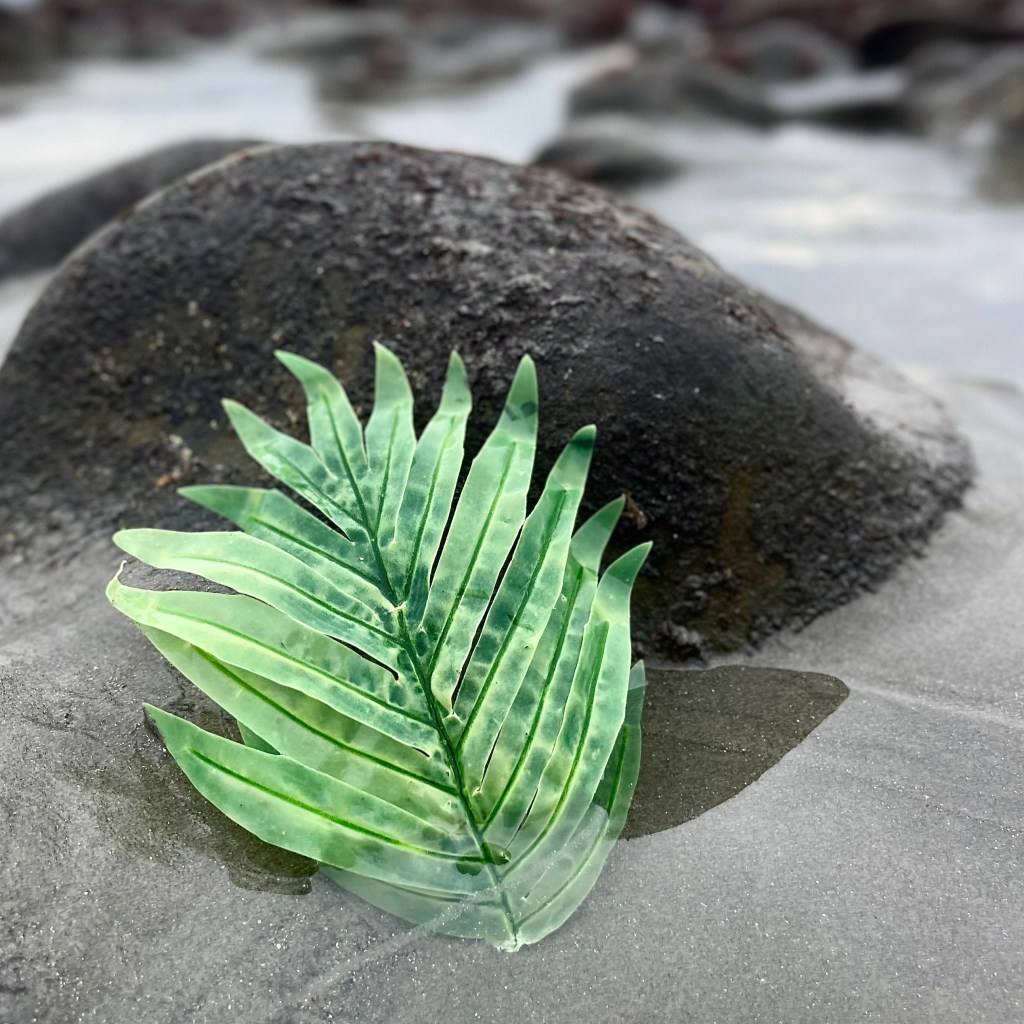
Artificial greenery has been around a long time too. For example, ancient Egyptian artisans used textiles to craft fake palm leaves that were used for ceremonial purposes.
Fast forward to the 1950s and ‘60s when plastics entered the scene and fake plants were used to complement the mid-century modern aesthetic. Today, synthetic flowers and plastic plants continue to be in demand for both residential and commercial design. They have become especially popular as Instagramable decor in trendy social spaces, but these “low maintenance plants” come with often unacknowledged environmental costs.
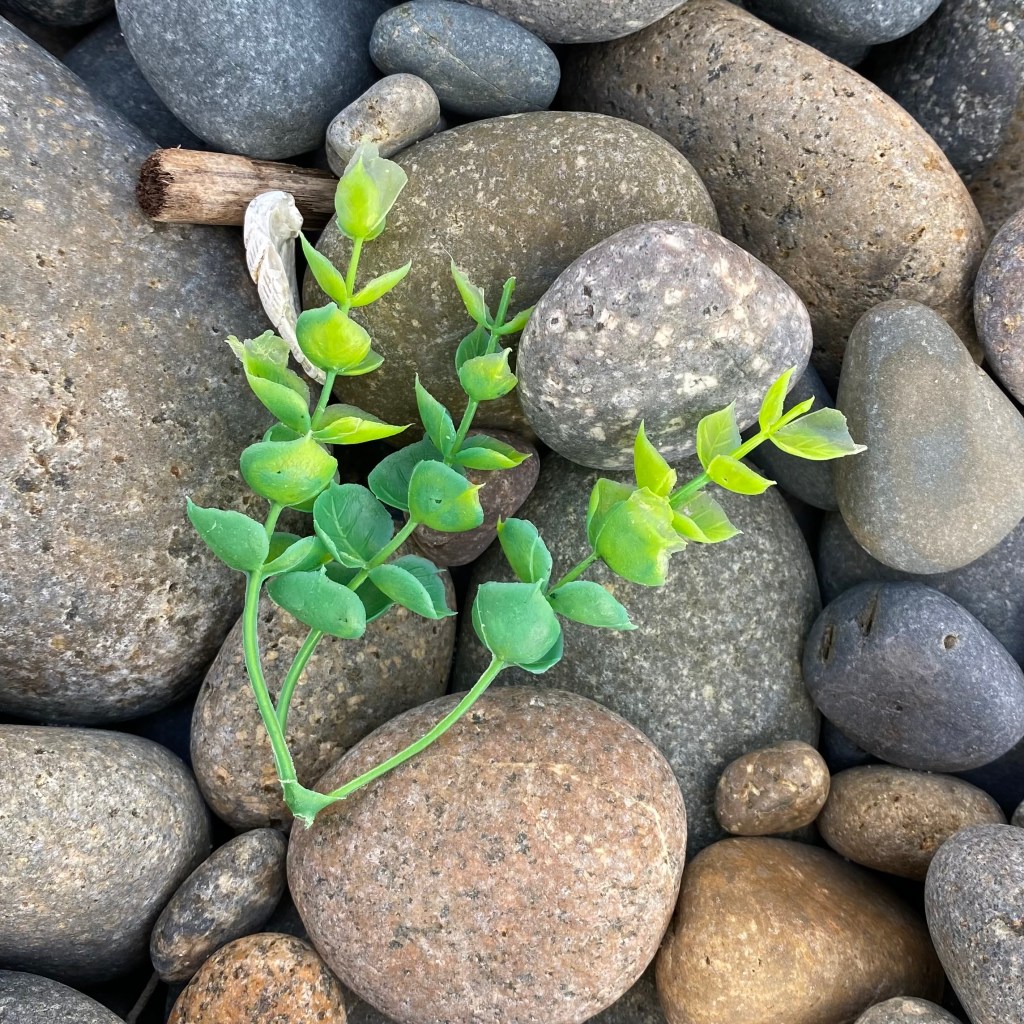
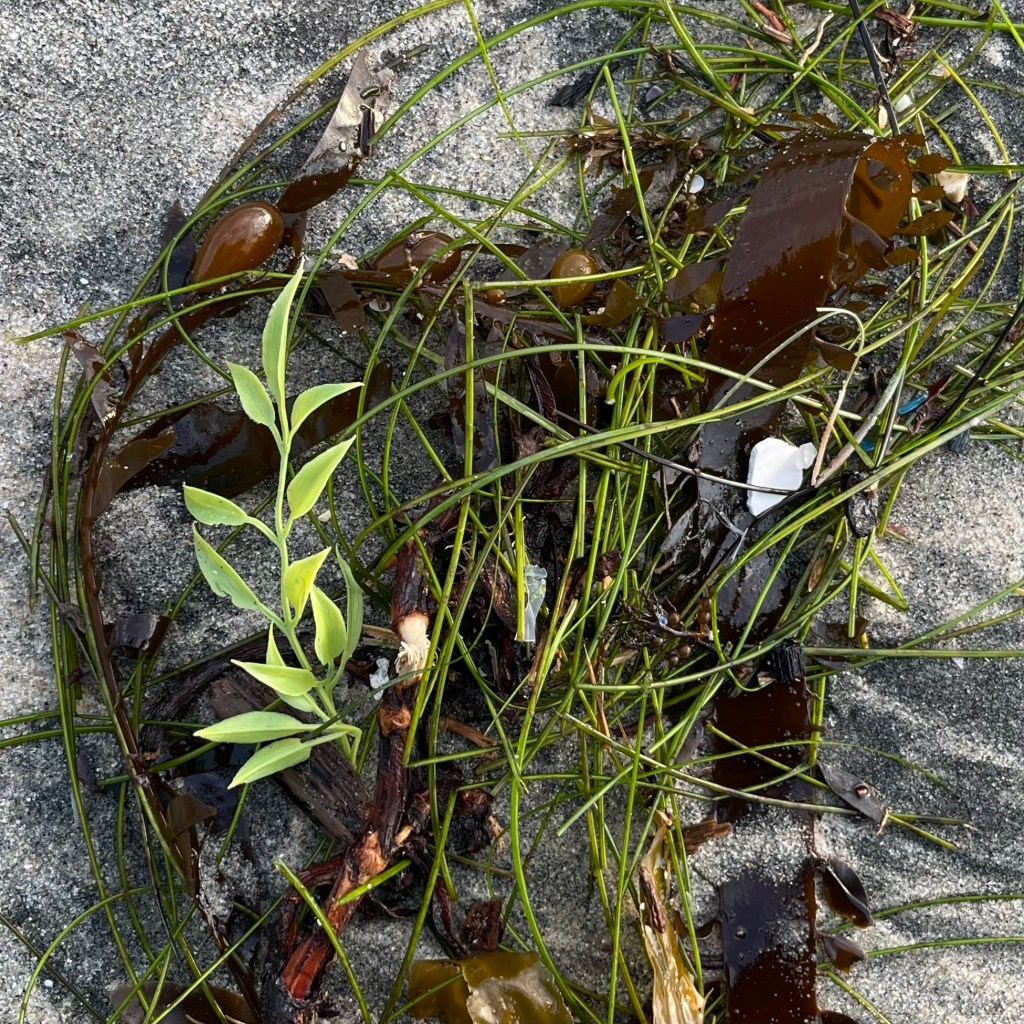
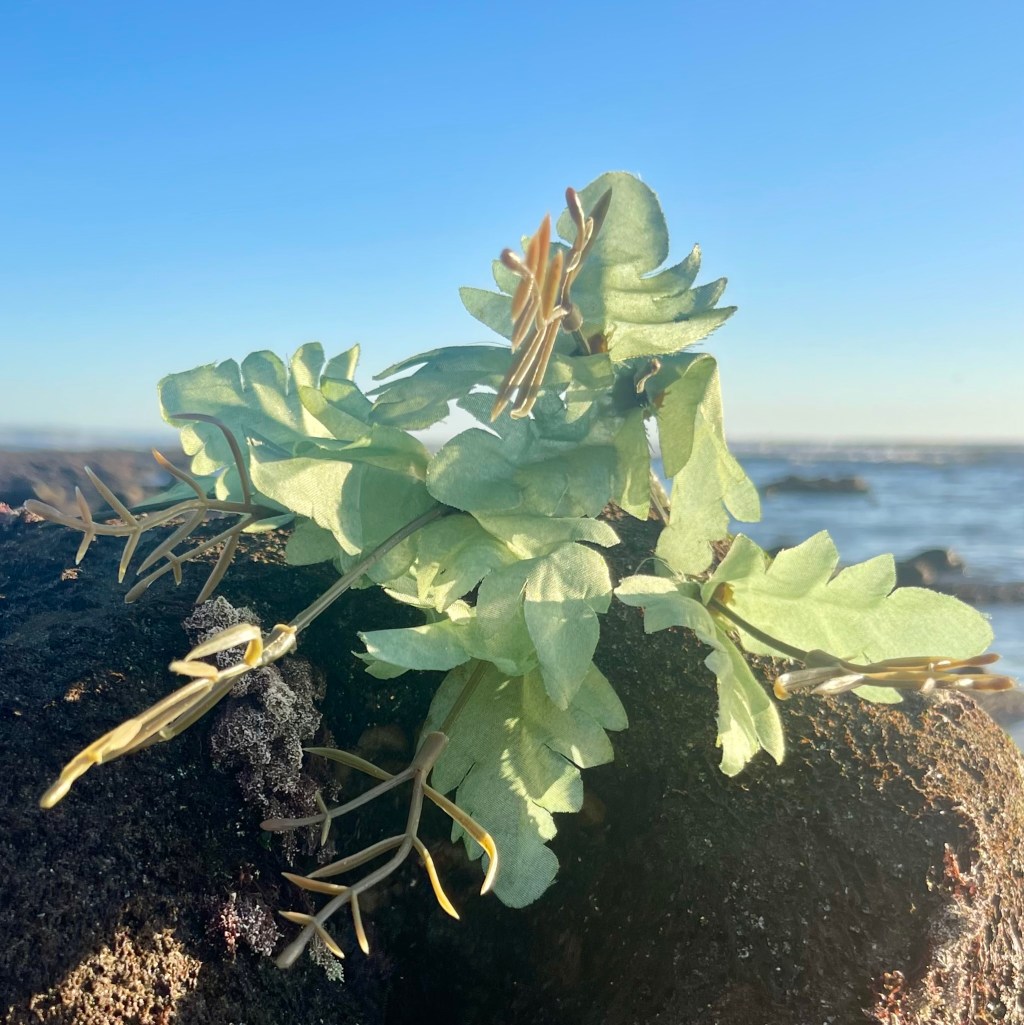
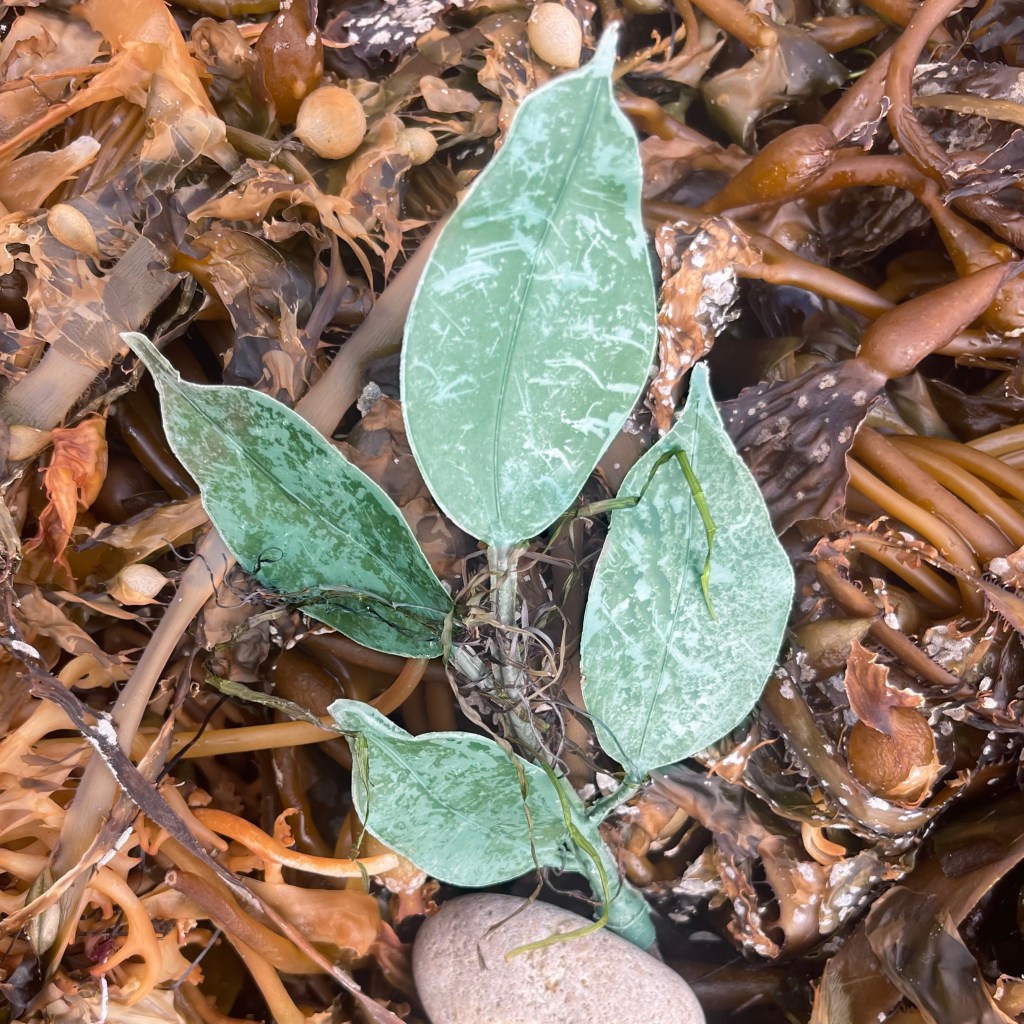
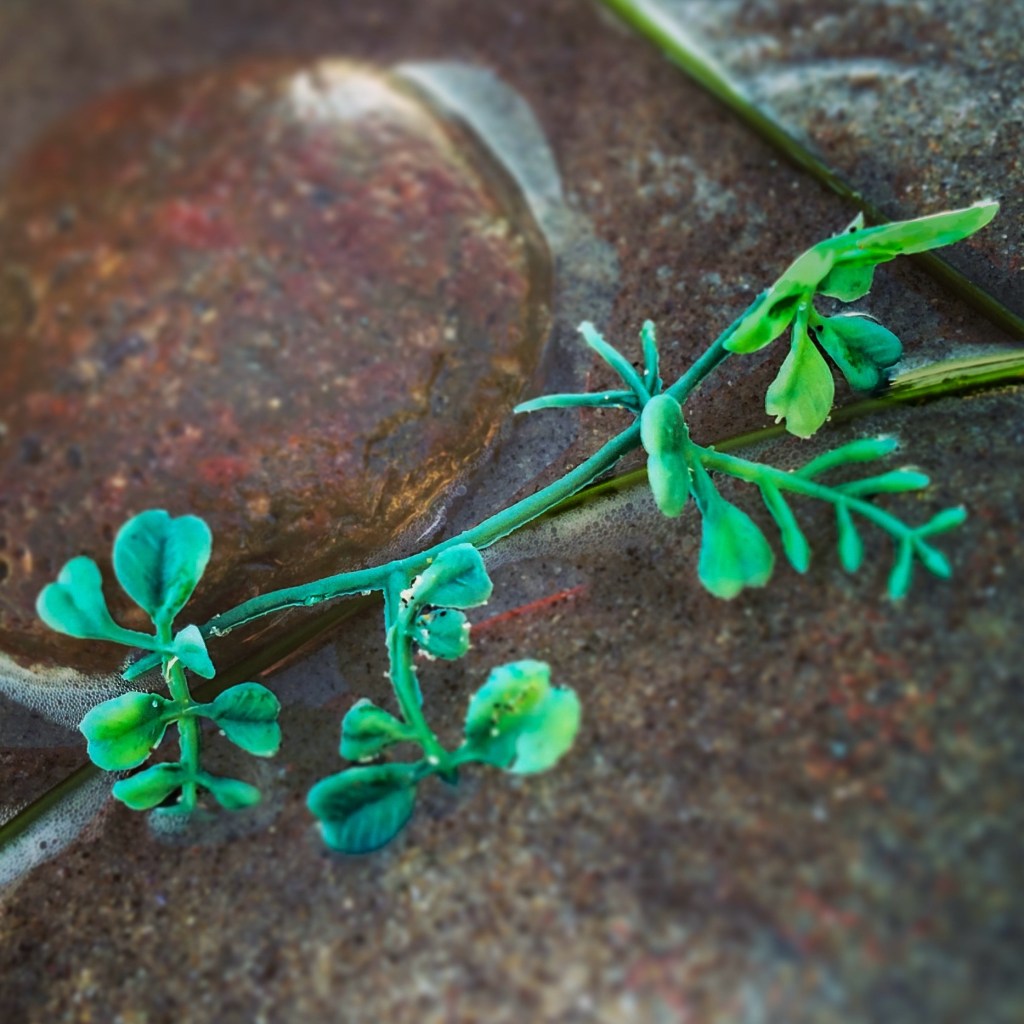
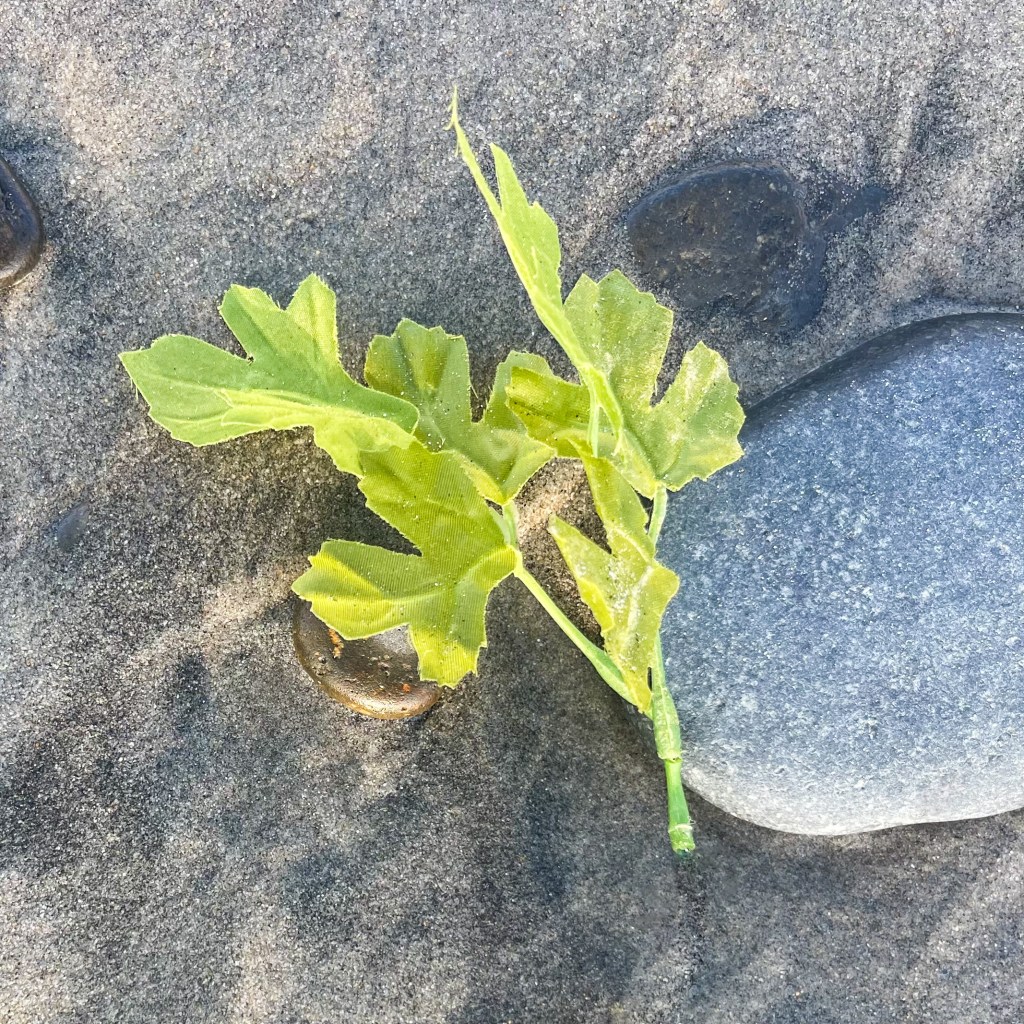
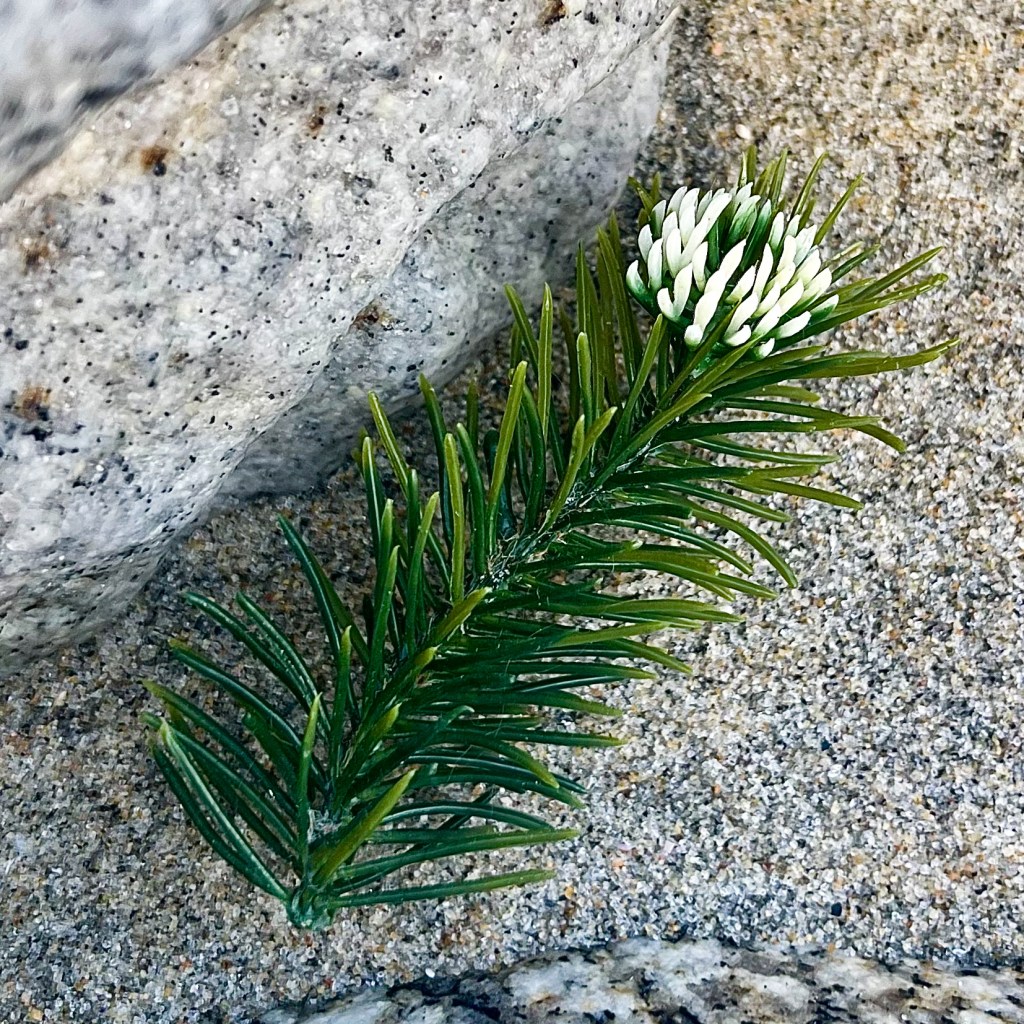
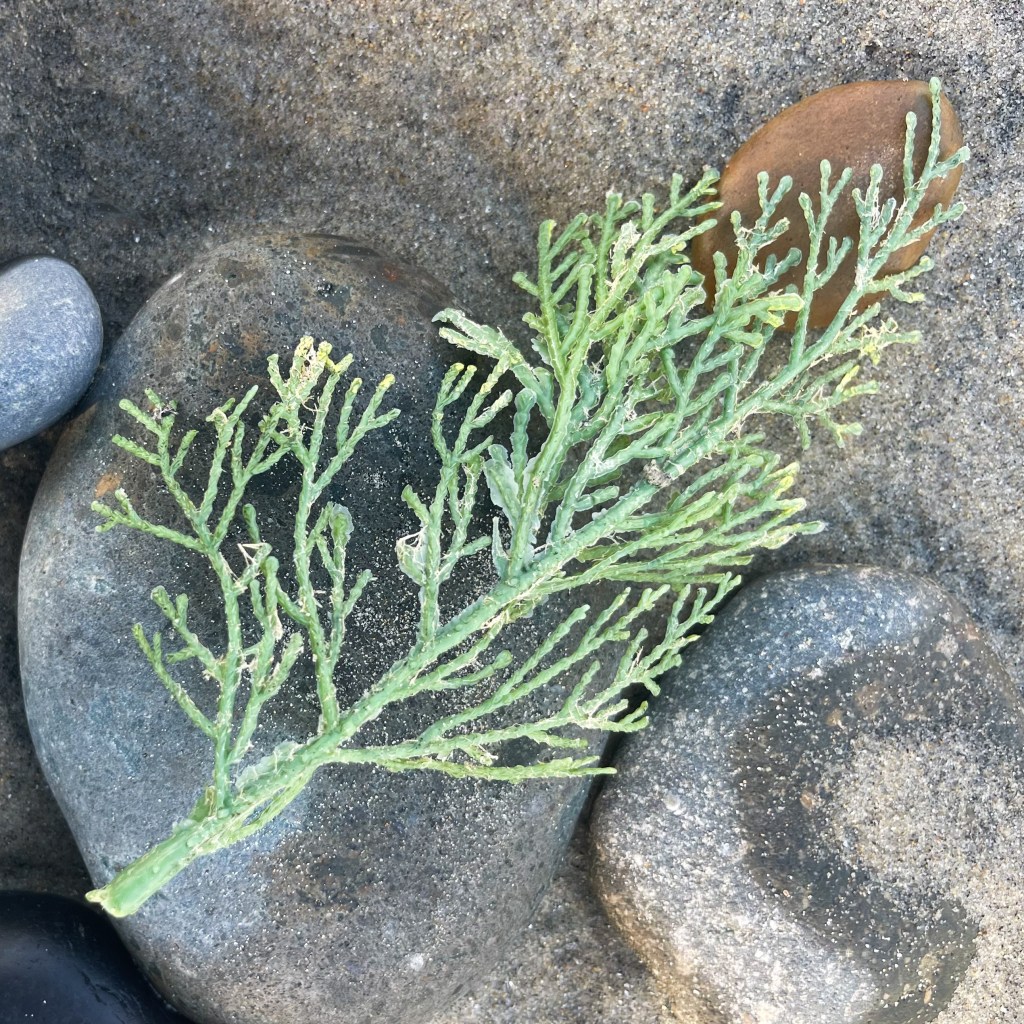
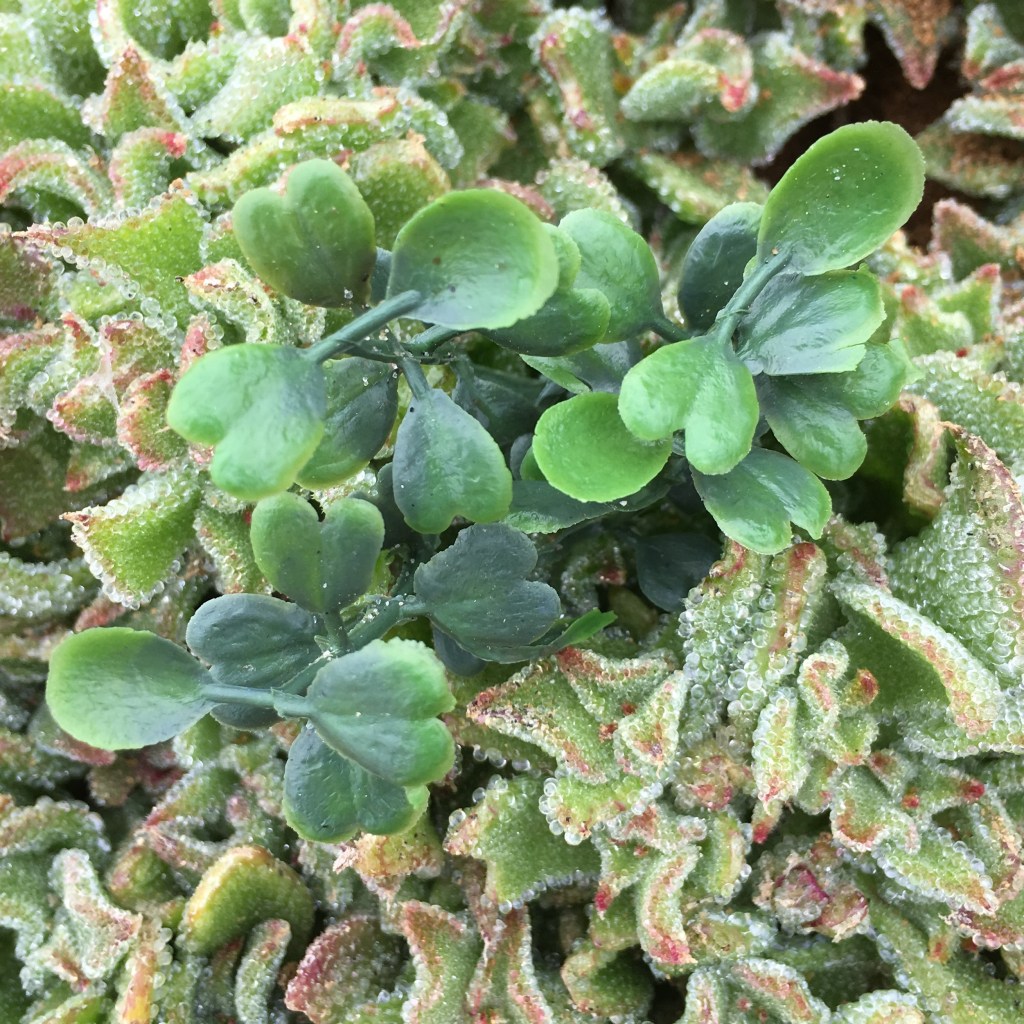
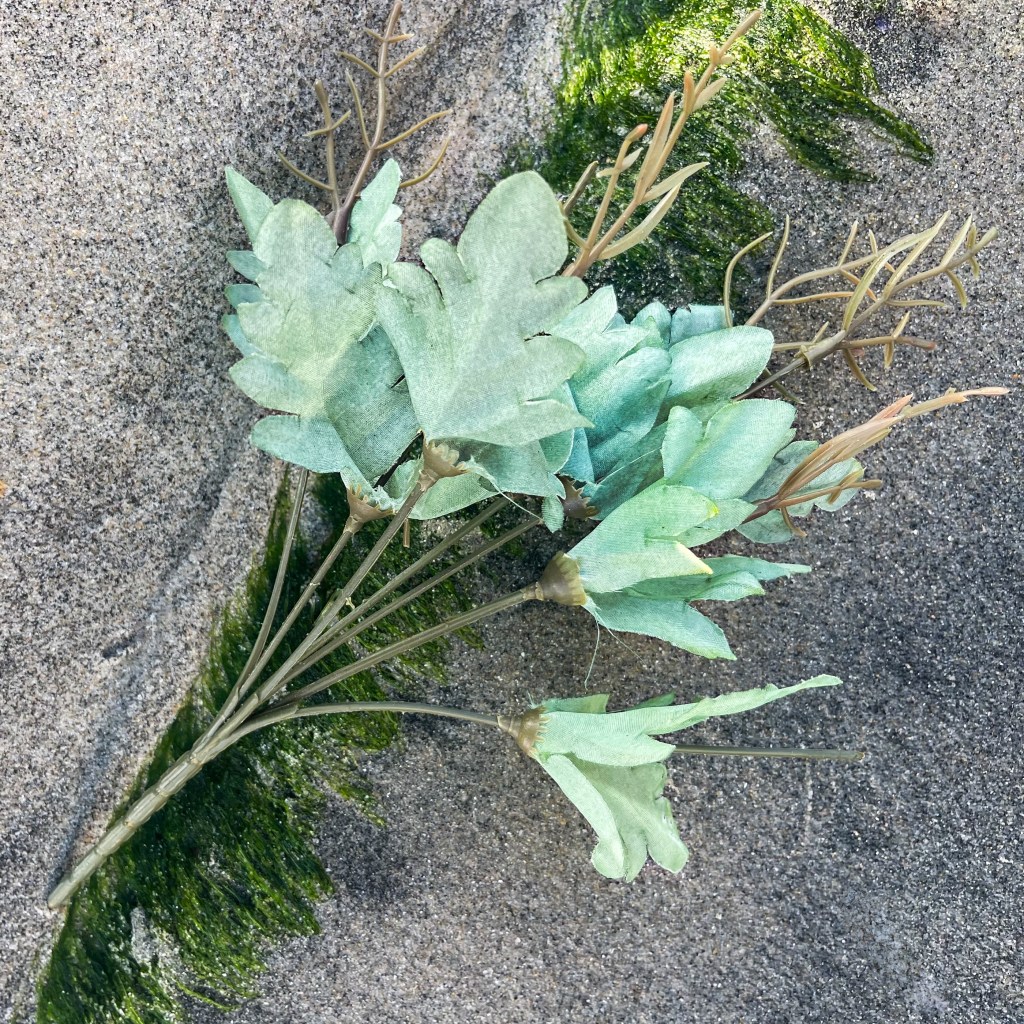
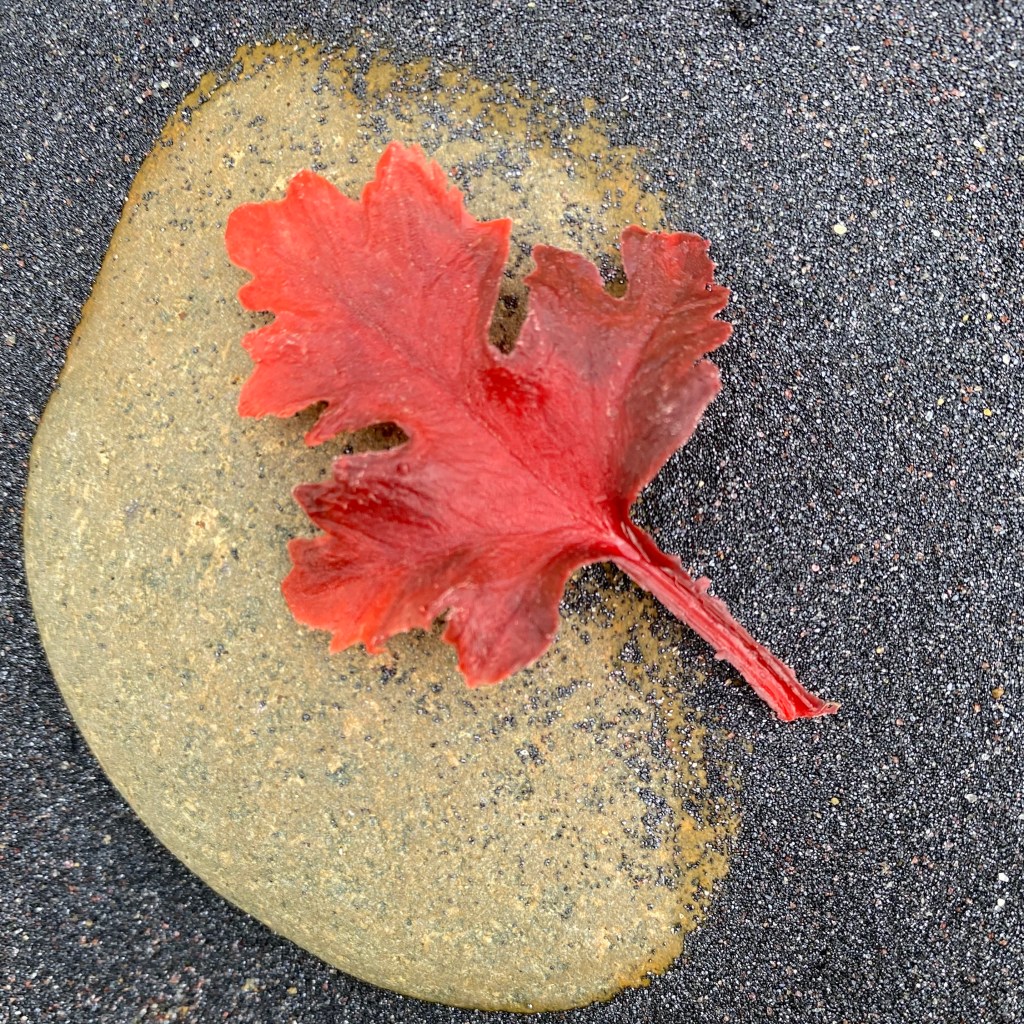
Before long, all this modern faux foliage will end up in landfills, and some—like the ones I’ve found on the beach—will enter the natural environment due to human carelessness. Much like the ancient ferns that have endured for millions of years, this plastic greenery will persist well into the future.
Eventually, these synthetic leaves and flowers may even become part of the geologic record, just like the ferns of the past. What will these plastic plant fossils tell future generations about our culture and the era in which we live?



 ShoreSweep