
As I arranged containers filled with colorful beach plastic for the activity I had planned for 3rd through 8th graders participating in the San Diego Area Writing Project’s Young Writers’ Camp, I paused to reflect. The eye-catching hues created a strange contrast—a rainbow of marine debris displayed in an elementary school classroom soon to be filled with eager summer campers.
The first time I shared my passion for cleaning the beach with students during a Young Writers’ Camp program was in the summer of 2015. That initial experience took place during short rotation stations with limited time to talk, create, and write. Despite the constraints, campers had fun making abstract designs with the washed and sorted plastic marine debris I had collected from the local coastline.
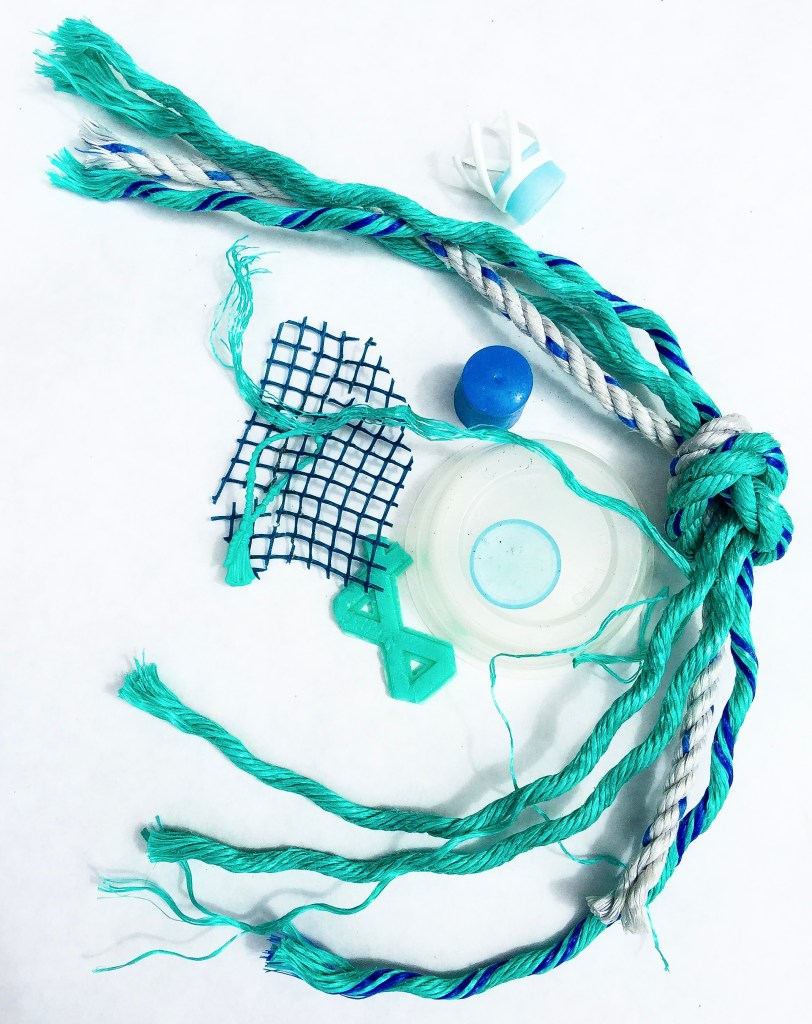
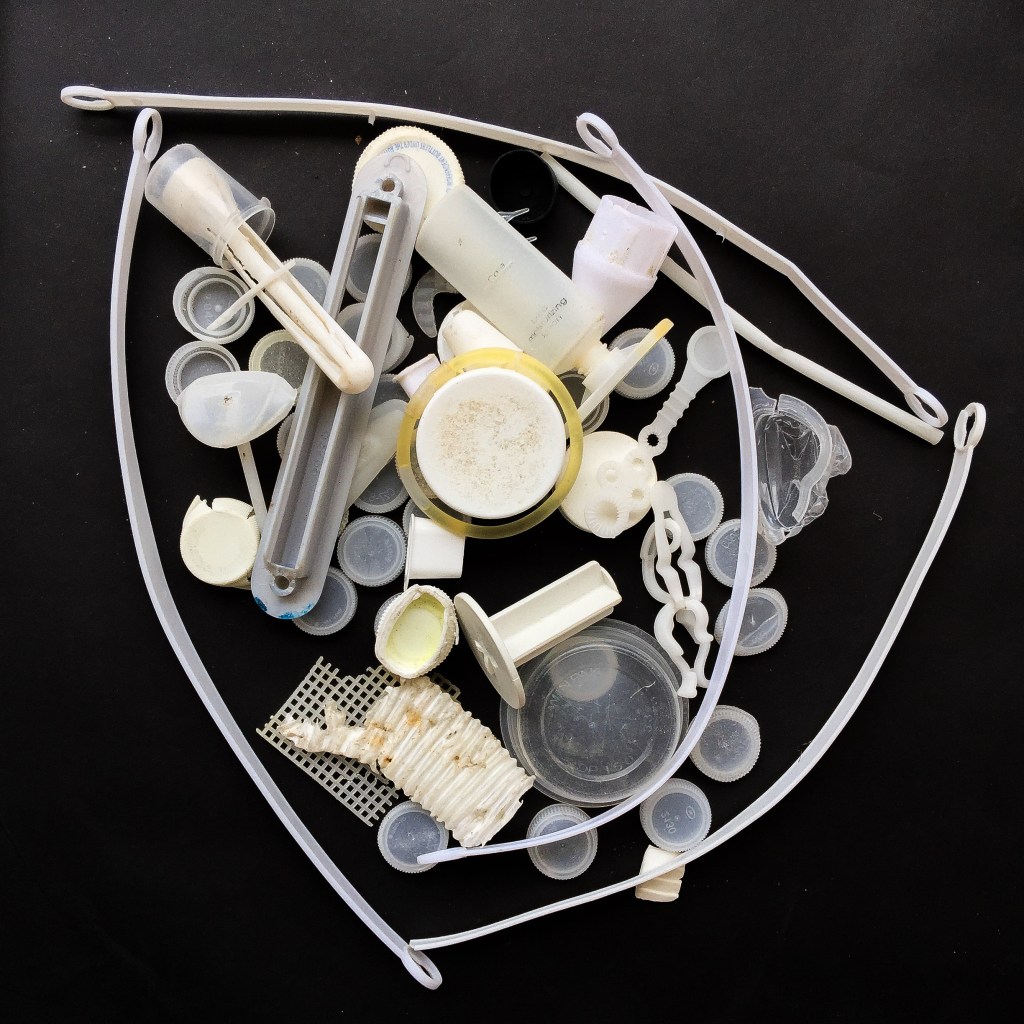
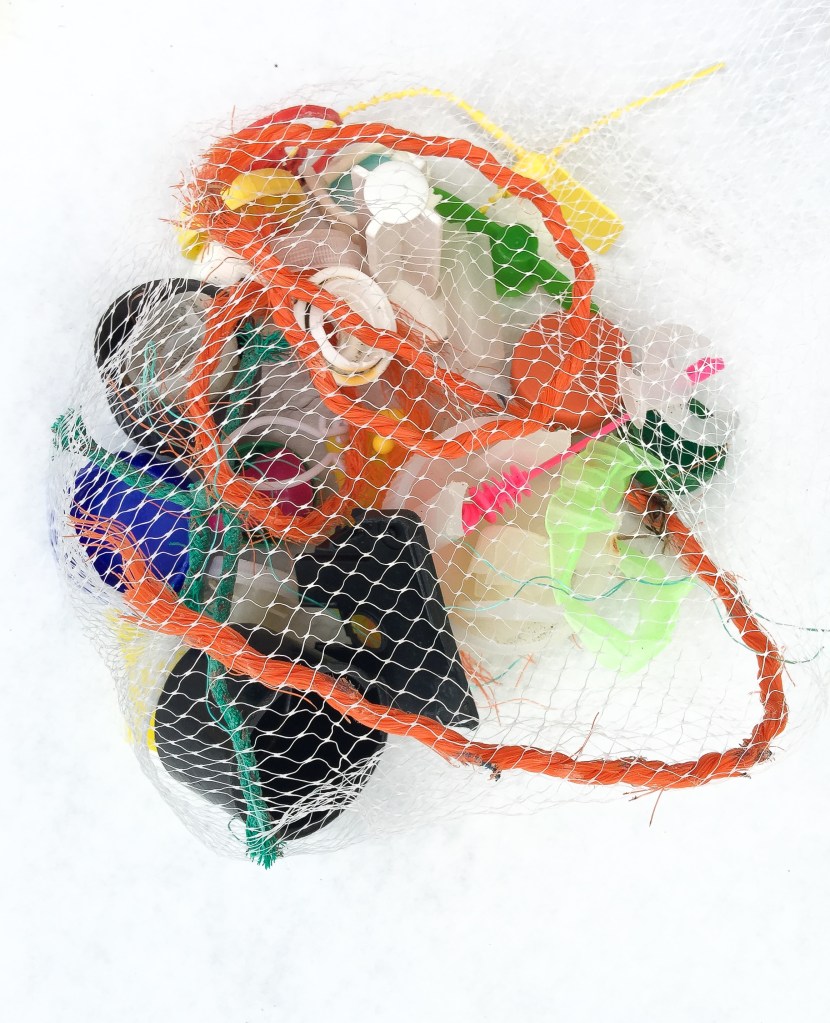
For the summer of 2016, I refined my presentation, added more beach finds to my bins, and incorporated both mentor texts and examples of marine plastic art, which deepened campers’ understanding and inspired their creativity in different ways. I captured that experience in a blog post titled Making to Make a Difference.
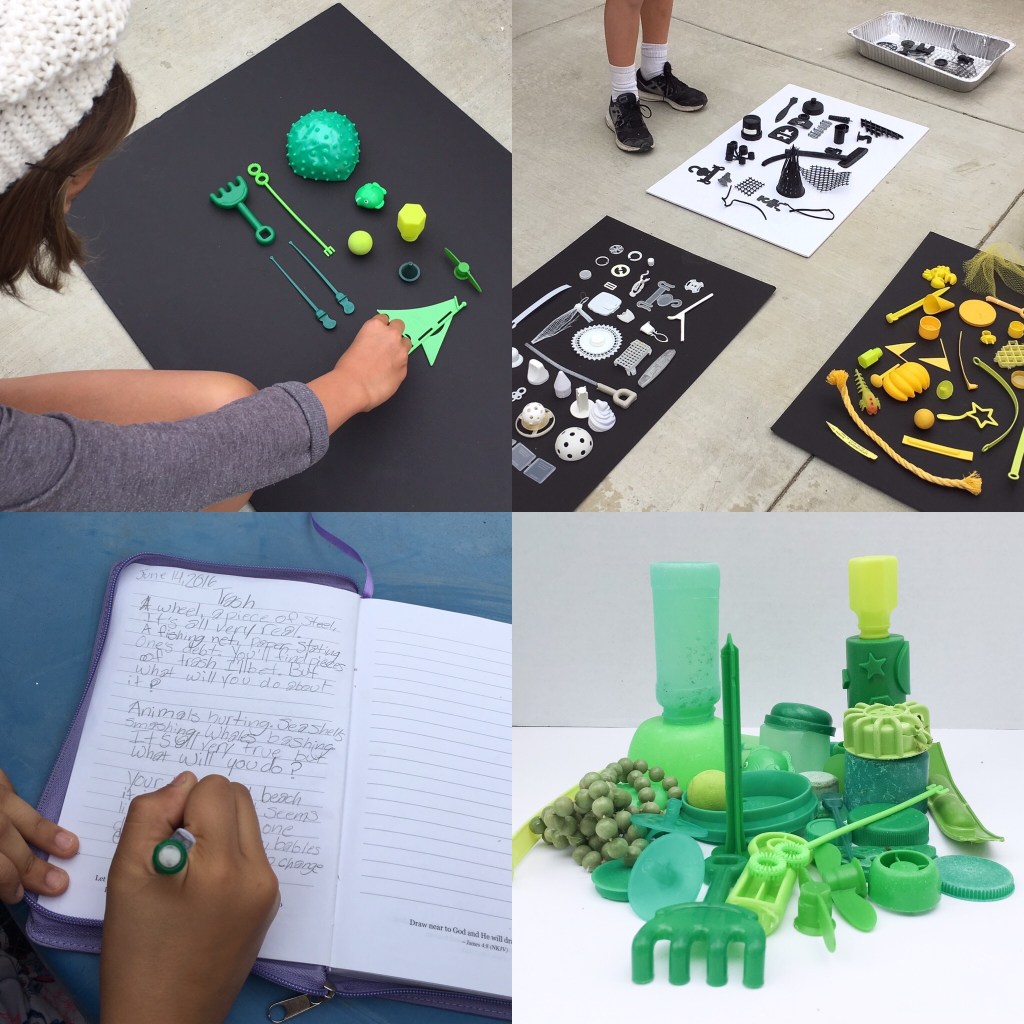
Each summer since then, I have evolved and refined the project. During the recent 8-day Young Writers’ Camp at Cardiff School, I was especially pleased: the art was thoughtful, and the writing was moving. As in the past, I didn’t provide a specific writing prompt, but I did share samples written in a variety of text types by previous campers. As always, the writing produced was quite varied, ranging from heartfelt poetry to informative and opinion pieces.
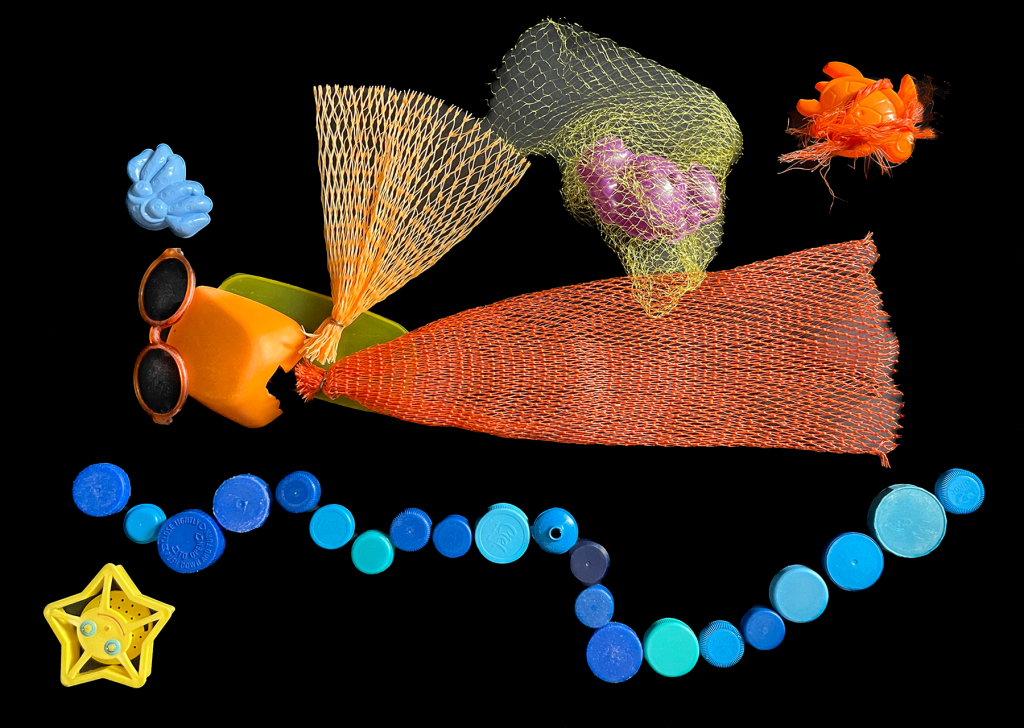
Plastic Animals and the writing it inspired were created specifically to share on social media:
Dear Social Media,
This is a picture of different sea creatures that are affected by the plastic that YOU throw into the ocean. You might not have directly thrown it in, but almost every person on Earth has littered, whether on accident, or on purpose. Light things like plastic bottle caps can be carried by the wind into storm drains that head directly to the ocean. I created this piece of art out of pieces of plastic that my teacher collected off the beach. I believe that this art work represents everything that ends up in the ocean, becomes part of the spectacular animals that live there (not literally) whether they eat it, make their homes out of it, or have gotten stuck in the trash, it becomes a part of them. It is important to properly recycle things that you are done using, like plastic water bottles, cardboard, and Starbucks cups, so that they don’t find their way into animals lives. We do not want the next generation to have to fix the problems that we put into the world, but then become too lazy to fix. So the next time you are out in public, pick up any trash you see, whether it is yours or not, to keep the animals and humans thriving.
Two campers wrote clever and convincing letters to McDonald’s, requesting that they reduce their use of single-use plastic items. I plan to mail the letters and will tag McDonald’s when I share them on social media. My fingers are crossed that McDonald’s will respond, but if my experience with reaching out to corporations is any indication, headquarters is unlikely to reply. Either way, the letters are impactful—and even funny.
Dear McDonald’s,
Your chicken nuggets? “I’m loving it.”
Your plastic waste? Not so much.
As you know, your Happy Meals are fun, and millions order them. However, they come in plastic bags. Same with your apple slices. I’m begging you, for the sake of the animals, to take my suggestions into consideration.
Cups: Uh oh… Paper has to work.
Straws: AHH! Could you use the same as Costco?
Happy Meals: Use boxes instead of plastic bags.
Bags: Already good ’cause they are paper.
Napkins: Bio-degradable?*
Remember, you are a multi-million dollar company. You can afford this, the question is will you?

Another camper collaborated with a partner to create Save the Ocean and then wrote a poem titled Take a Step:
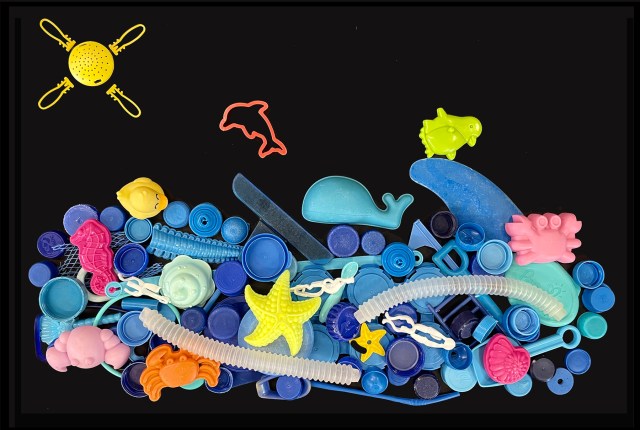
Take a Step
Every year
marine debris is increasing.
Every month
sea animals are dying.
Every week
a massive amount of trash goes into the ocean.
Every day
people forget to recycle.
Every hour
people throw away plastic.
Every minute
a truckload’s worth is dumped into the ocean.
Every second
the ocean is growing murky.
We need to take a step.
It’s time to change.
Take a Step
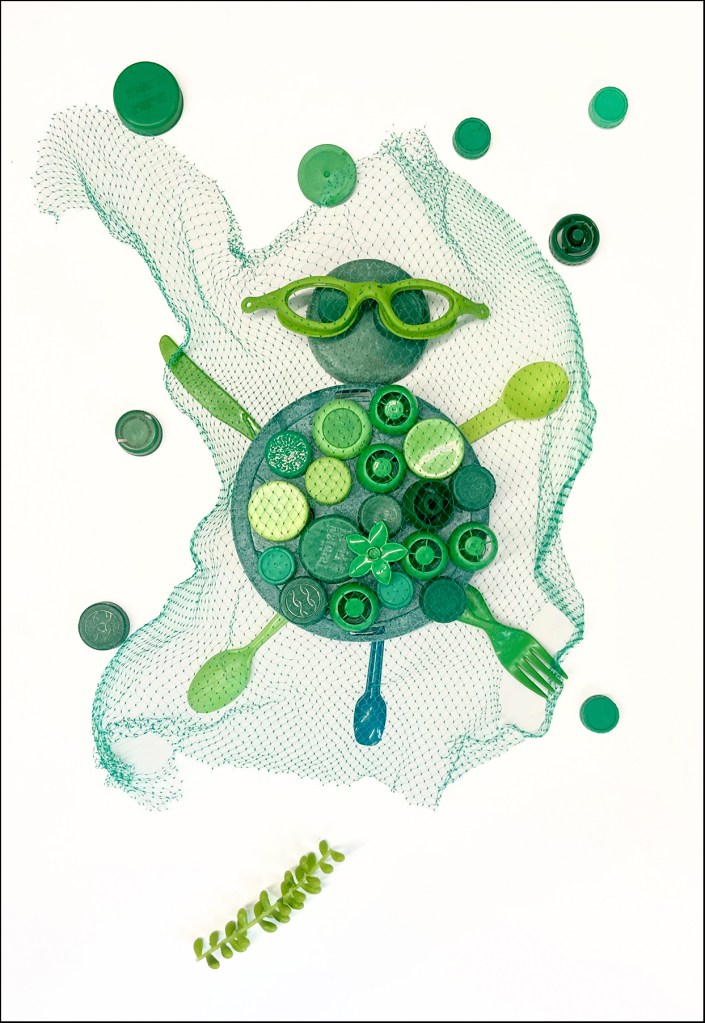
A group of three teamed up to make Stuck Turtle and one camper wrote:
The turtle is stuck, not only in a green net thrown out by someone, but in a sea full of trash. Goggles, spoons, forks, knives, and more bottle caps than you could ever imagine fill the water….We need to make sure that turtles in the ocean don’t end up like this one—scared and stuck in a sea full of trash.
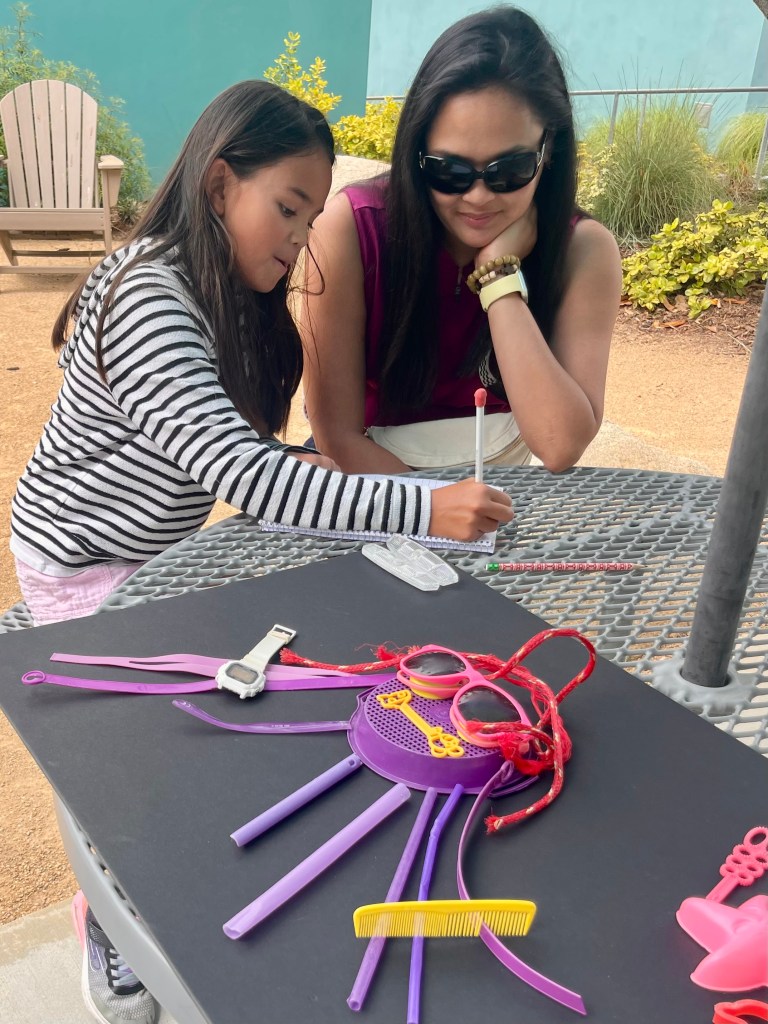
Families were invited to join us for the final day of camp. After introductions and a brief overview, guests had the opportunity to try some of the writing activities alongside their campers. Watching parents and children write and create together is one of my favorite parts of Young Writers’ Camp—it’s heartwarming to see them smile even when addressing a challenging topic together.
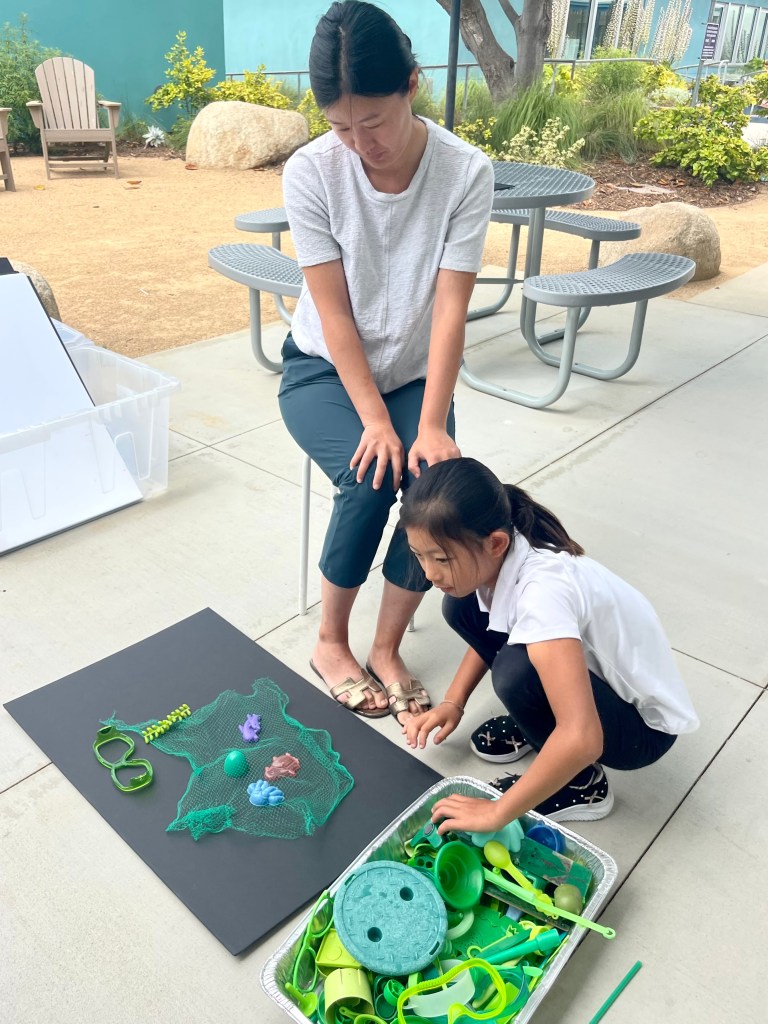
I’m grateful to the families who shared their talented children with us for eight days, and I’m especially grateful to the dedicated teachers who gave up part of their summer to nurture our young writers.
A decade may have passed since I first shared Making to Make a Difference, but I continue to be amazed by the young people who transform their art and writing into works of advocacy. Their words and creations remind me that change can begin with one voice—and even the voice of a child can make a difference when we provide opportunities for them to express themselves and be heard.
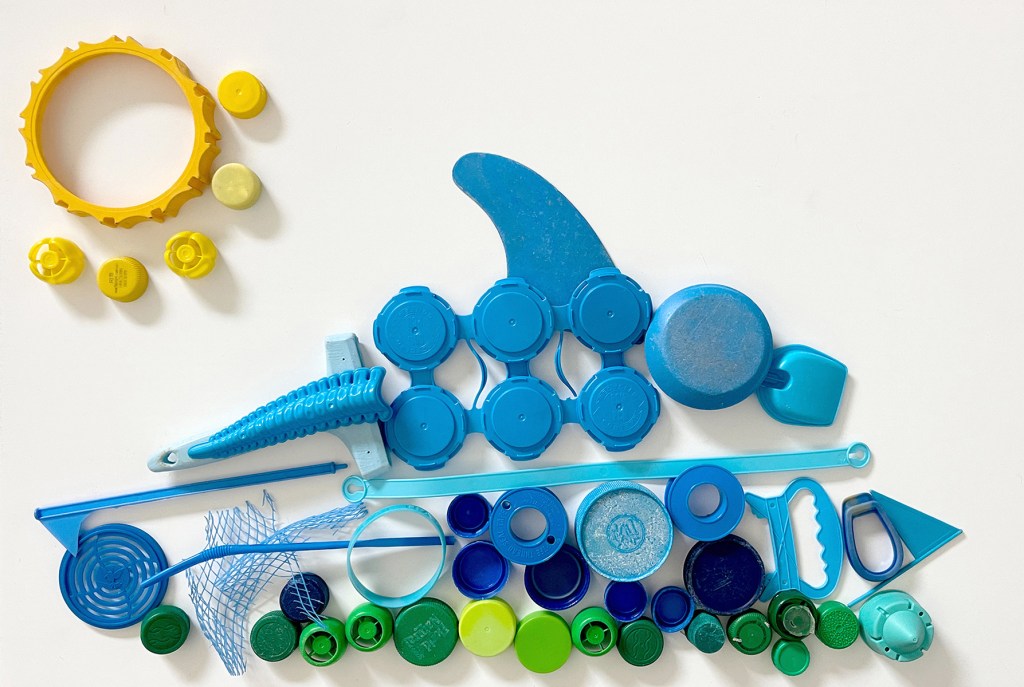
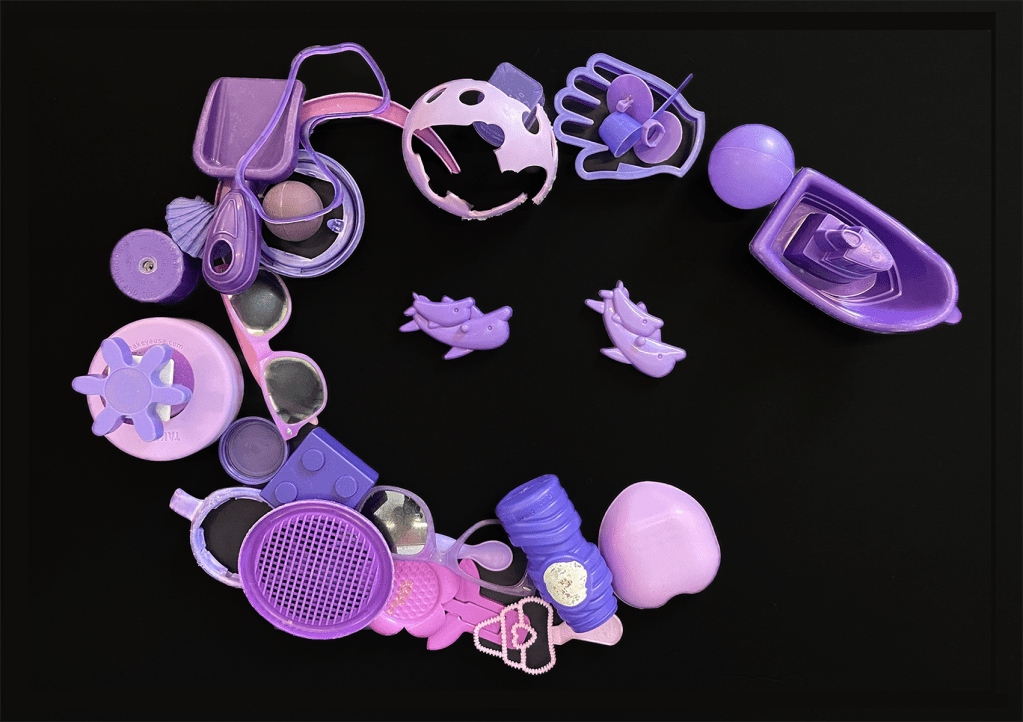
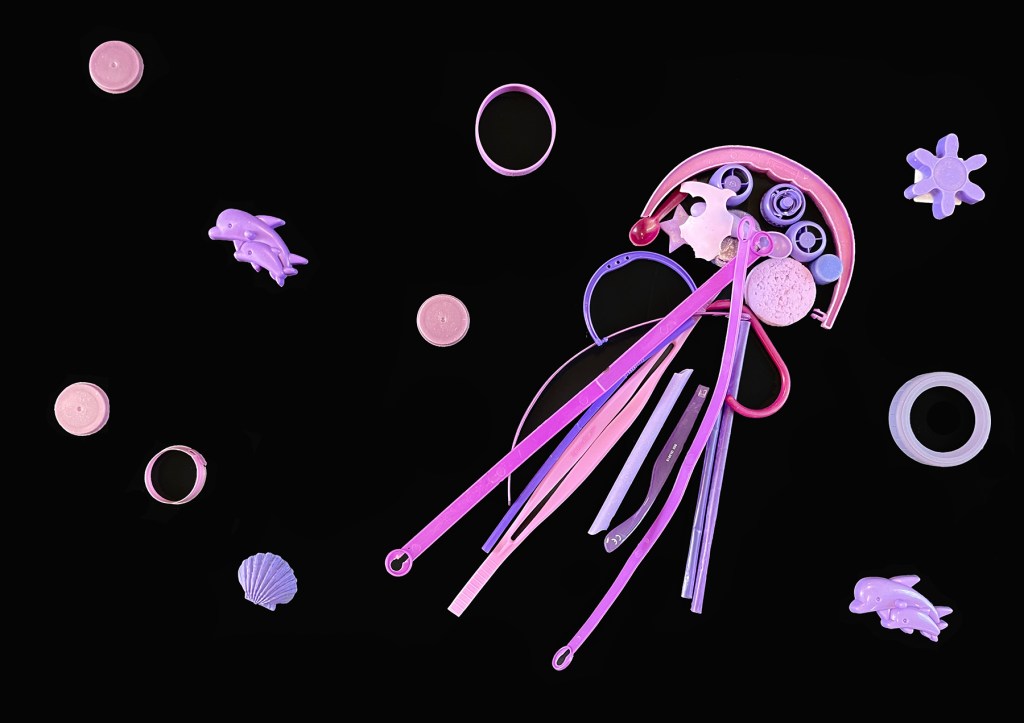
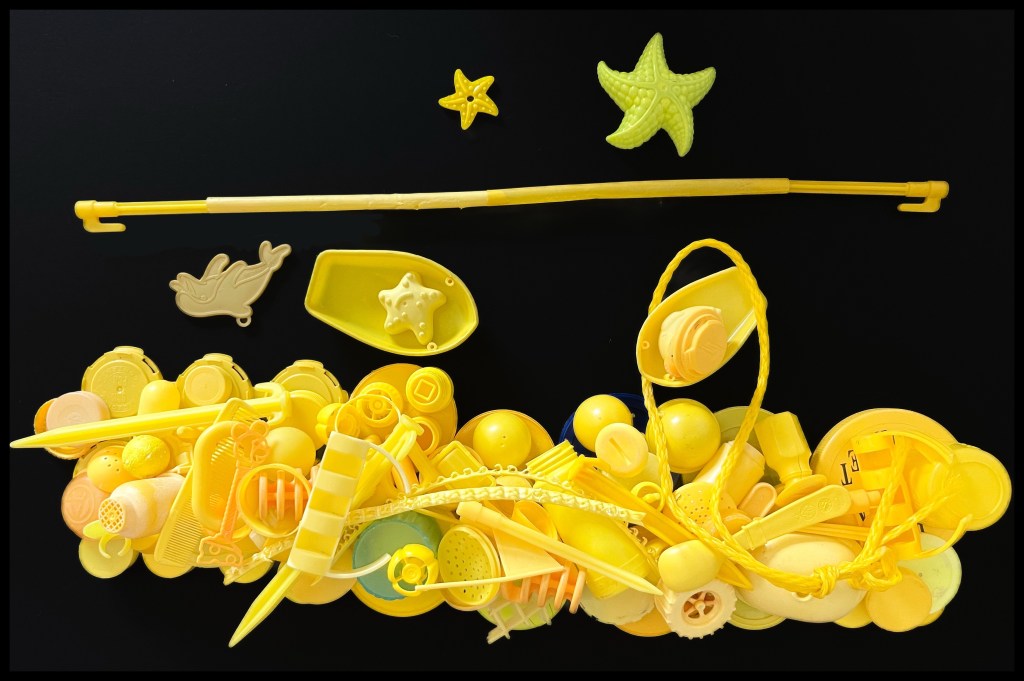
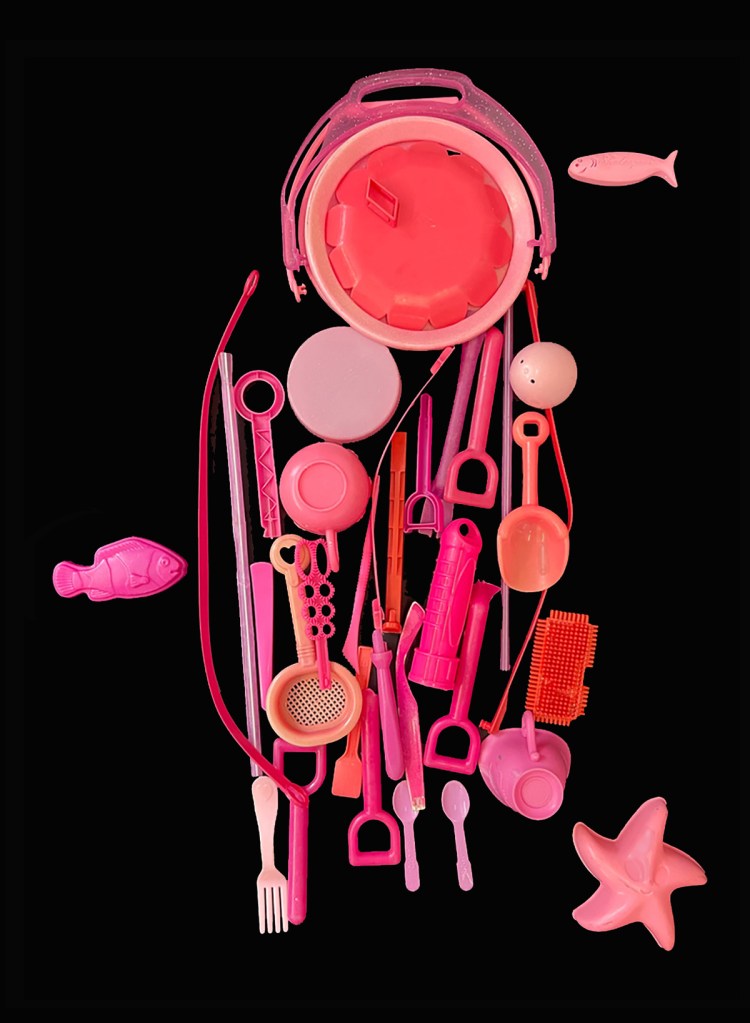
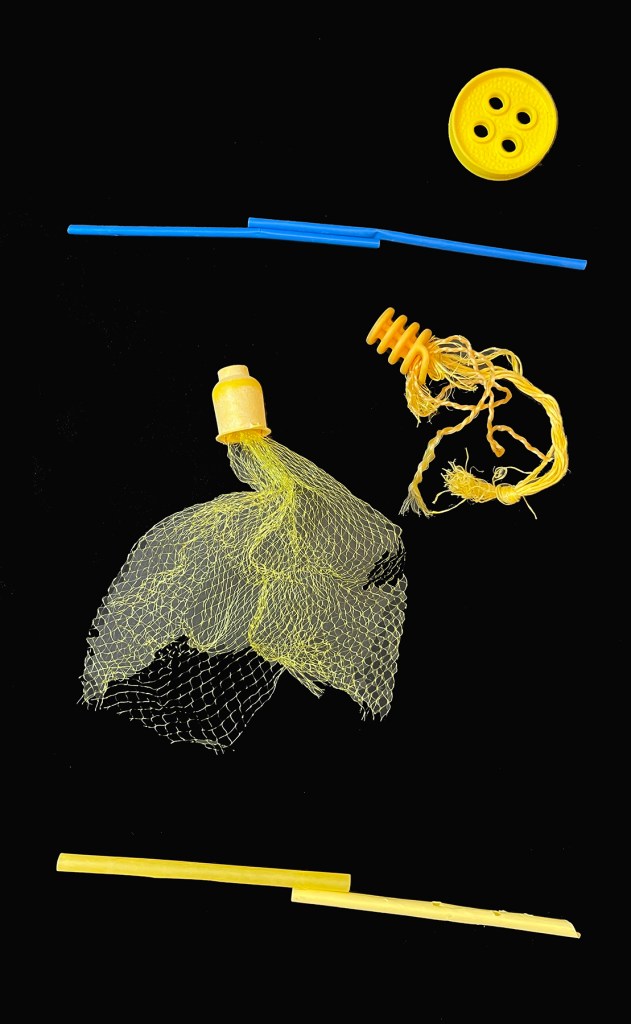
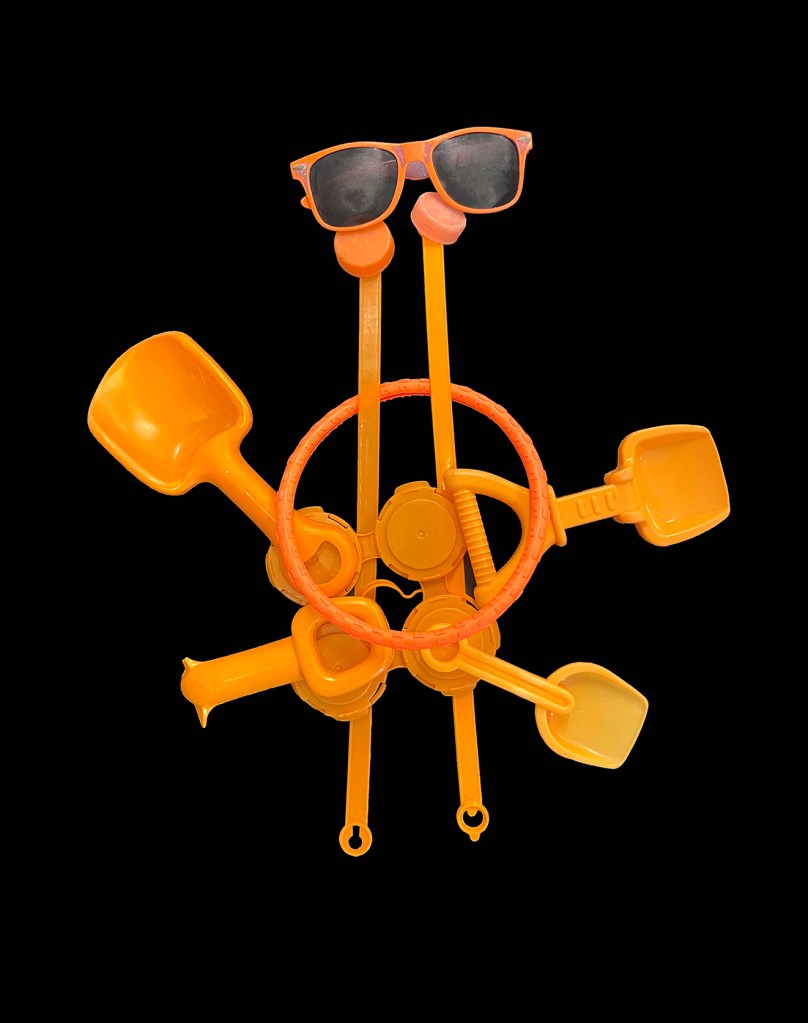
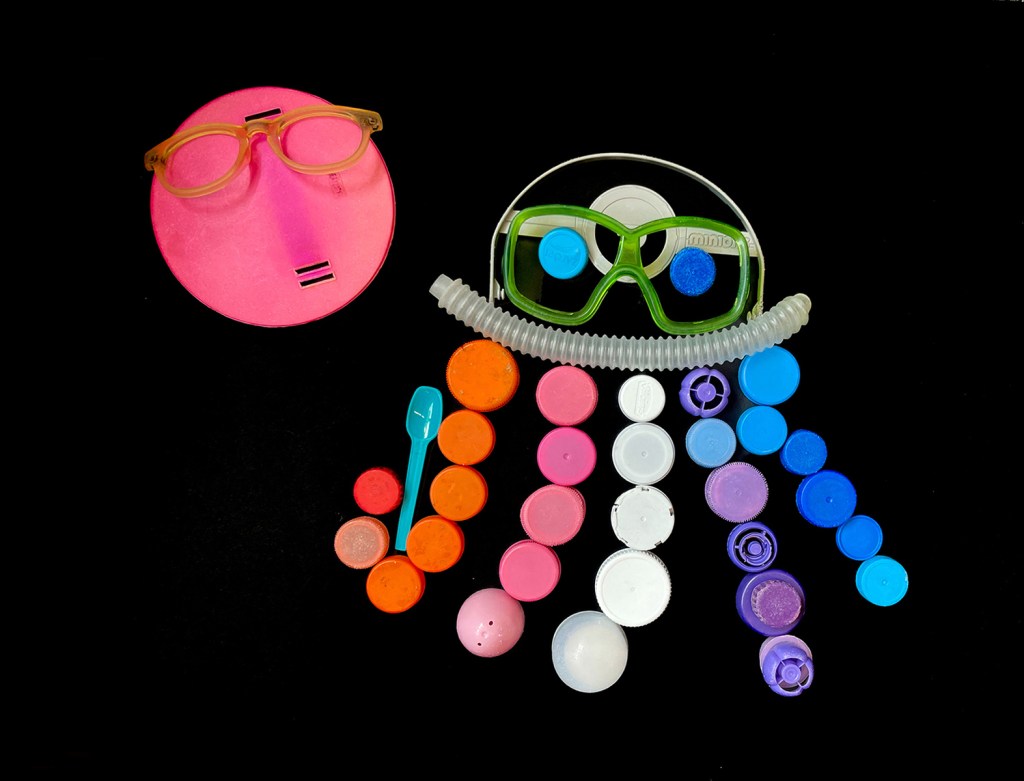
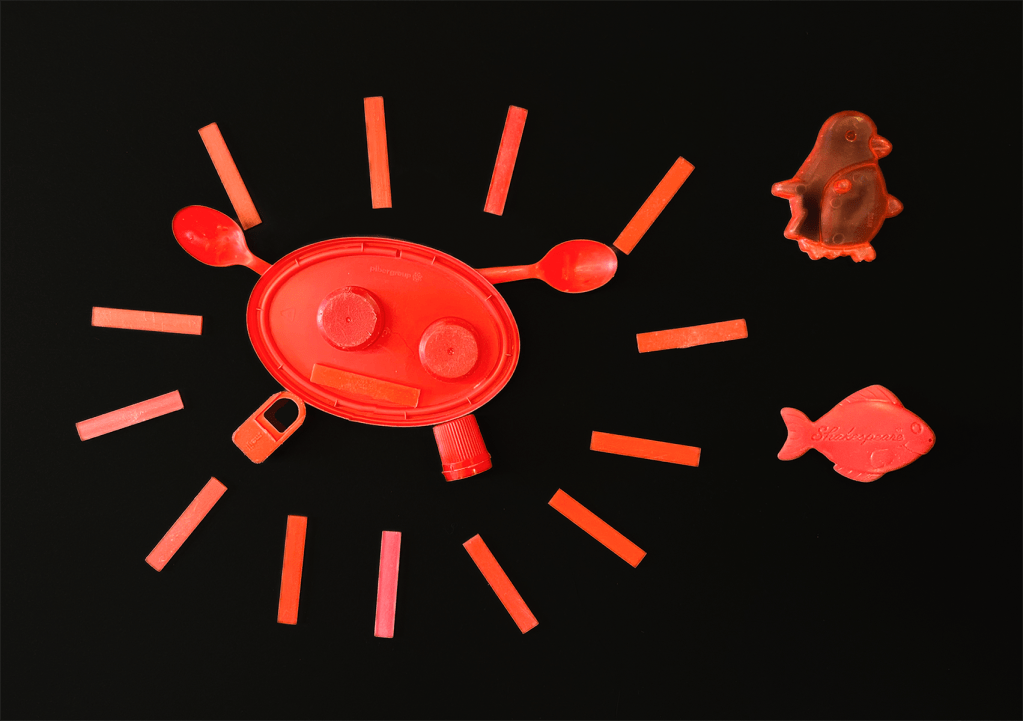
Please enjoy our Making to Make a Difference Gallery:





 ShoreSweep