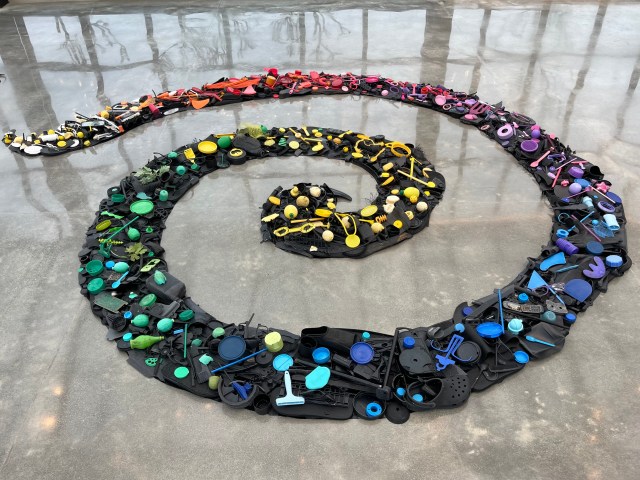
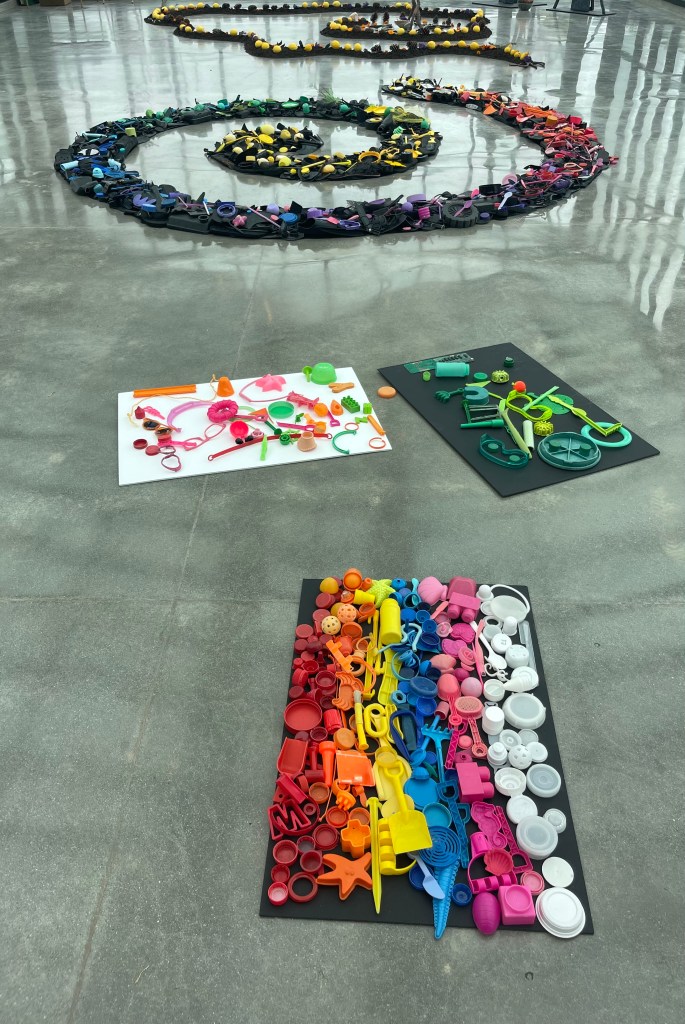
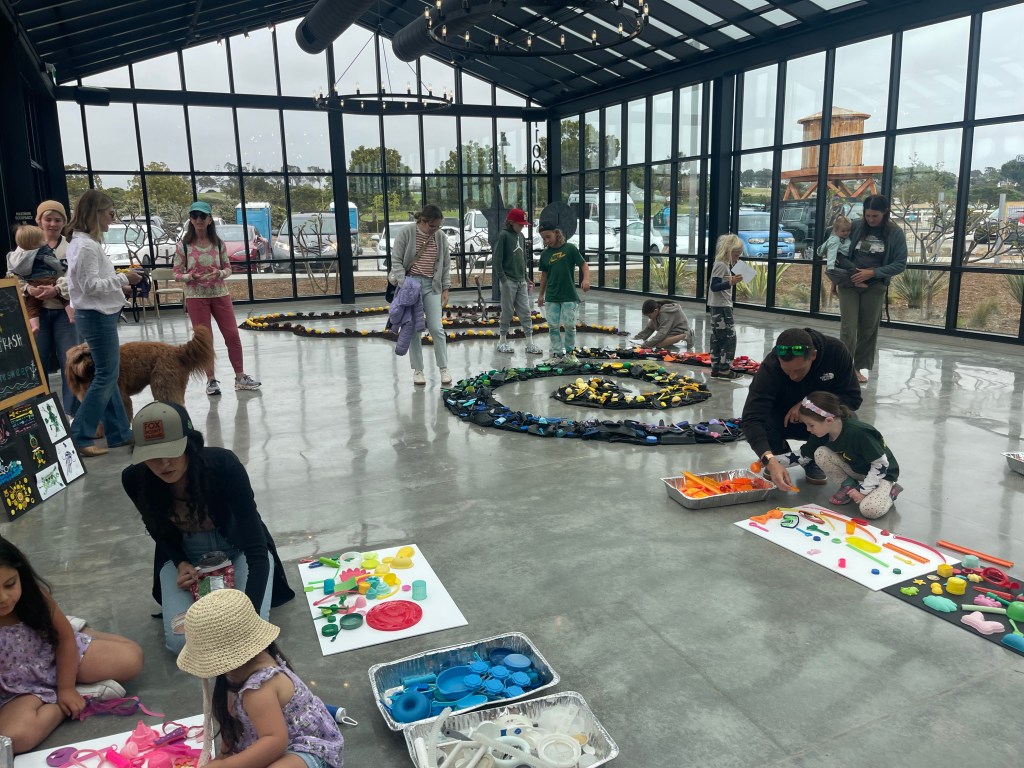
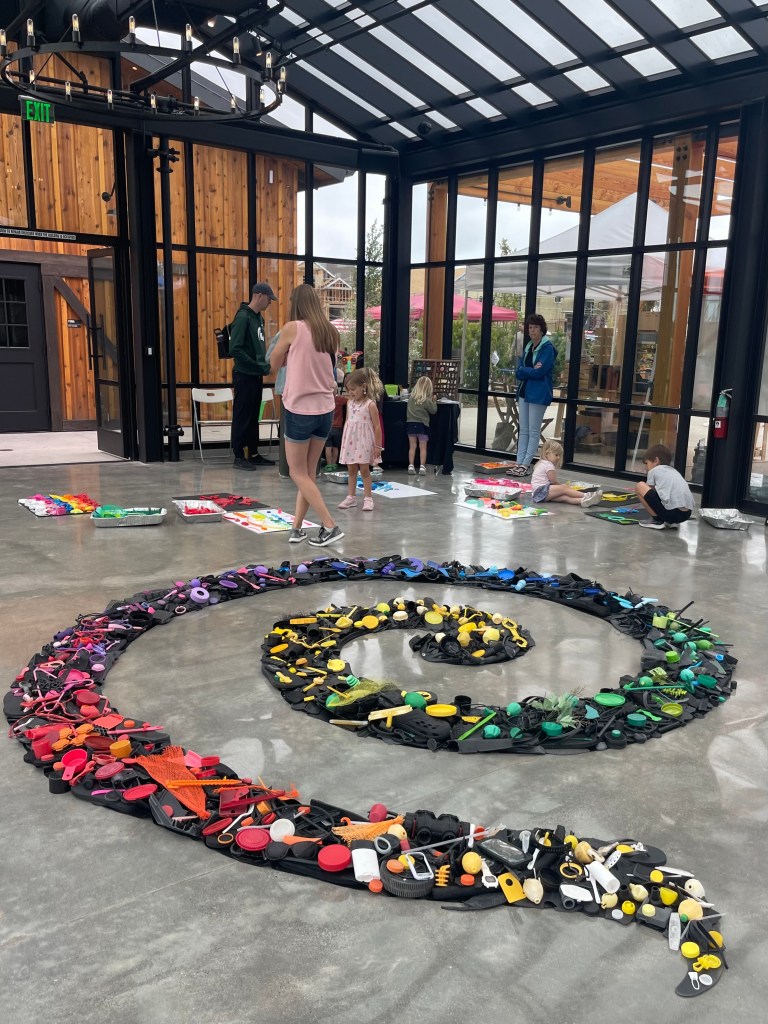
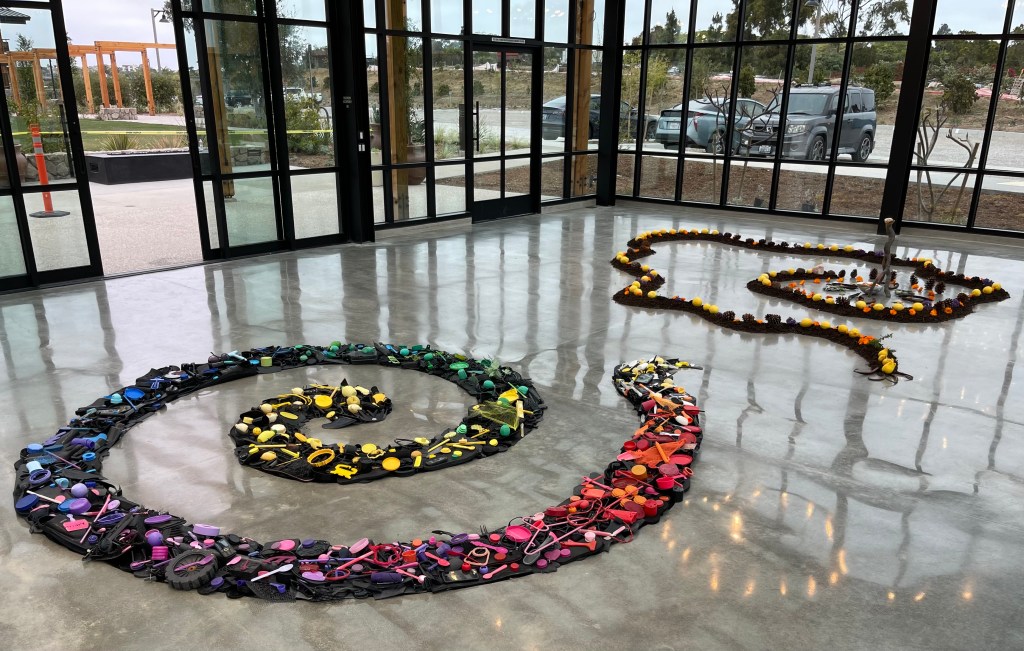
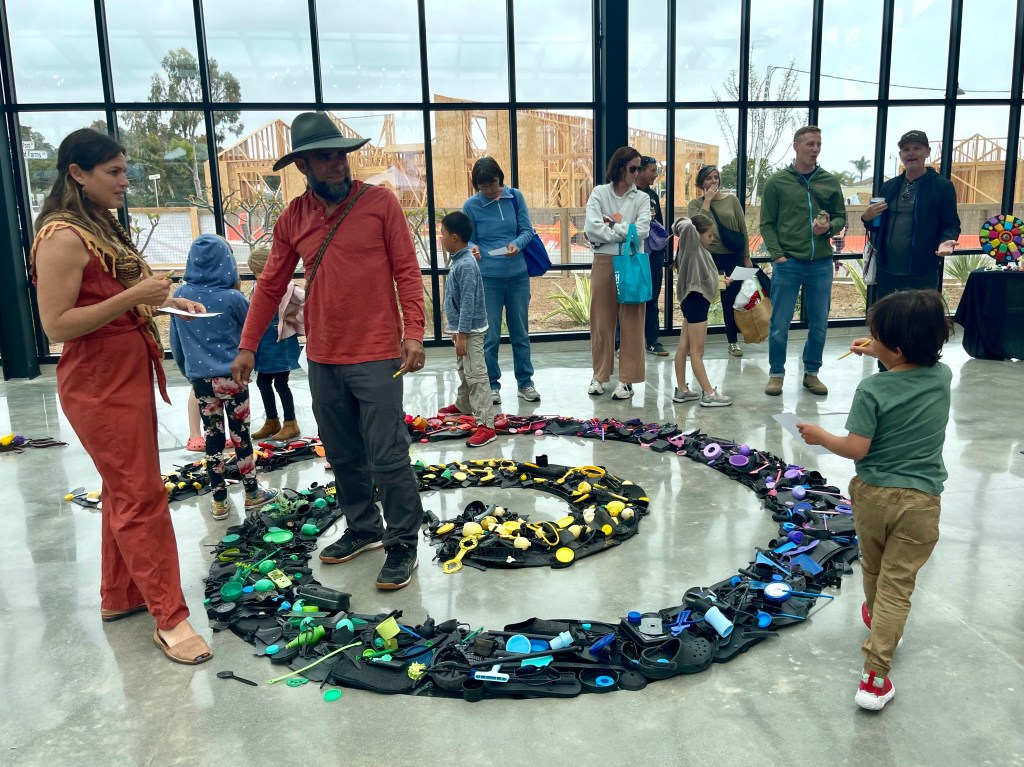
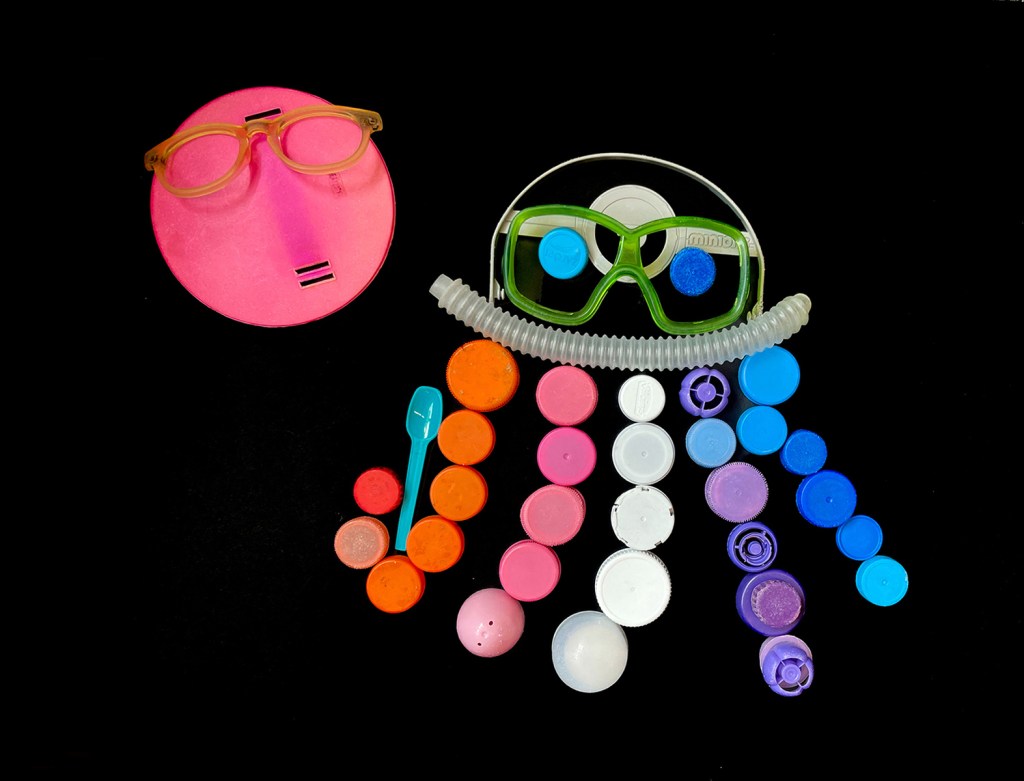
A joyful and inspiring day unfolded at the June 2024 EcoFest Encinitas, where I had the honor of exhibiting Spiraling Into the Current in the stunning glass Hatch Gathering space at Fox Point Farms.
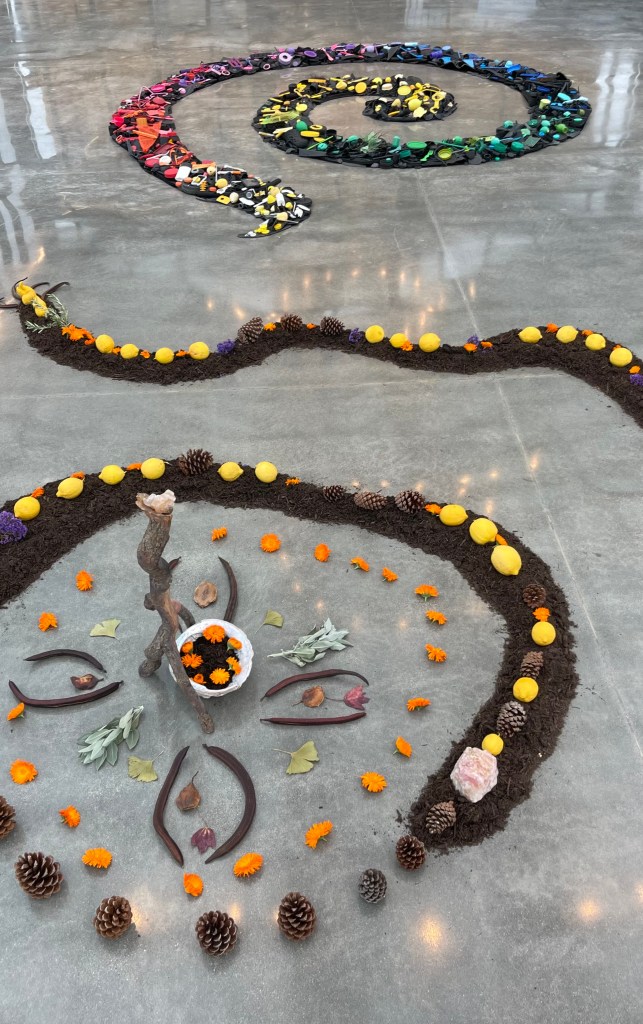
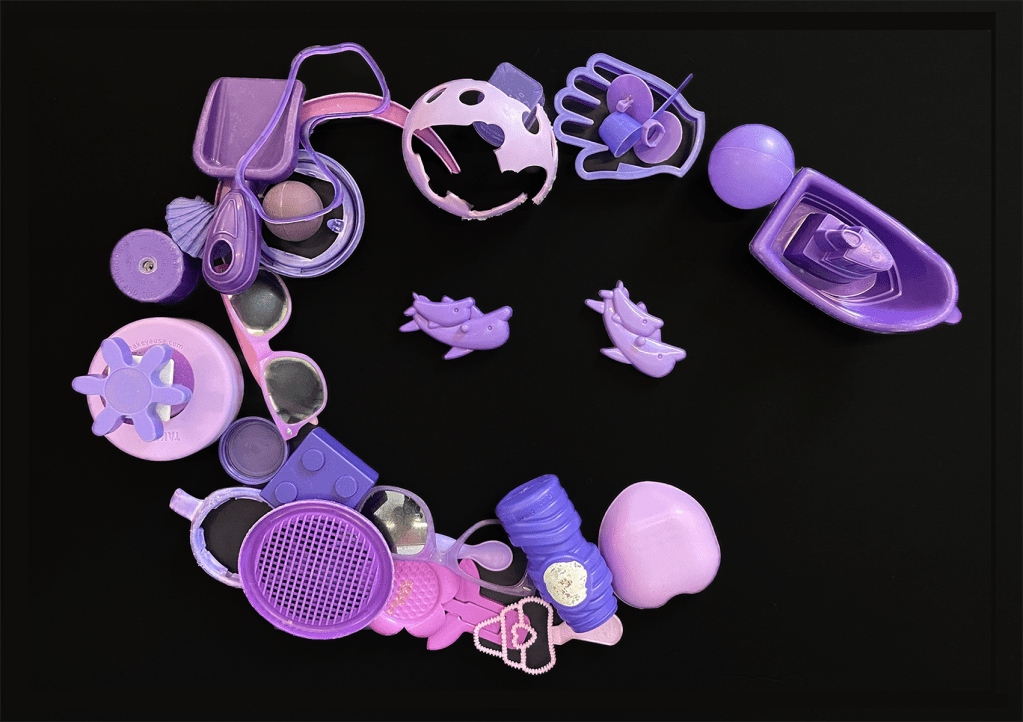
This colorful spiral, made entirely from plastic collected on North County San Diego beaches, symbolized the swirling ocean currents that carry debris into the North Pacific Garbage Patch. It offered a striking contrast to Lia Strell’s beautiful installation made from foraged natural materials — compost, lemons, pine cones, marigolds, and driftwood.
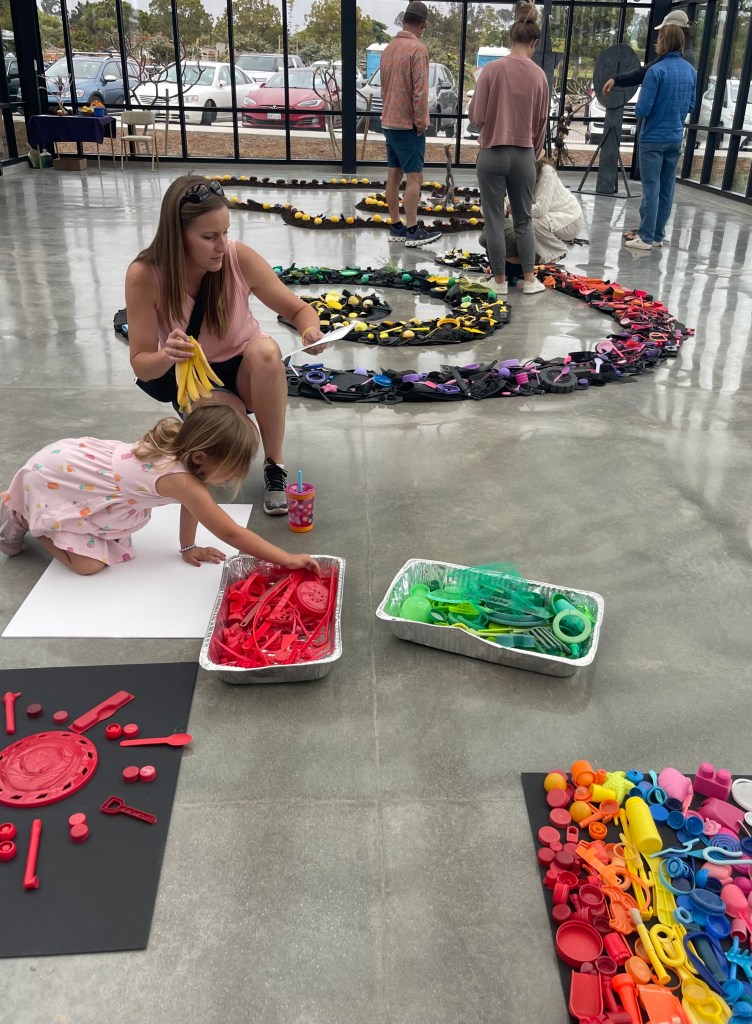
Visitors of all ages expressed wonder as they stepped into the space. While children explored Lia’s organic mandala, played a plastic scavenger hunt game, and created their own marine debris art, families paused to look more closely, deepening their appreciation for nature and gaining a greater understanding of the environmental impact of plastic pollution.
Calling on all North County residents who care about the environment and human health to support a single-use plastic beverage bottle reduction ordinance!
On Tuesday, March 10, the Vista City Council will discuss a draft ordinance that will phase-out the distribution of single-use plastic beverage bottles at City facilities and City-sponsored events.
If passed, the ordinance will accomplish the following:
Prohibit distribution of plastic bottled beverages at city-affiliated events (public or private).
Require permittees to comply with this policy when using city facilities.
Prohibit distribution of plastic bottled beverages at city facilities, including rentals and leases.
Prohibit the use of city funds to purchase plastic bottled beverages.
The staff report and draft ordinance are availableHERE.
For the subject line: Agenda Item D1 Plastic Beverage Bottle Ban at City Facilities and Events
A simple statement of support will make a difference or you can write something similar to the example below, but please personalize your message and add a few details about your concerns or experiences because heartfelt messages are always the most meaningful.
I strongly support the phase-out of single-use plastic beverage bottles at City facilities and City-sponsored events. Single-use plastics litter our community, pollute our waterways and coastline, harm wildlife, and pose risks to human health. To secure a livable planet for future generations, we must take meaningful steps to reduce unnecessary single-use plastics, including beverage bottles, and prioritize sustainable options such as alternative materials and reuse and refill systems. I respectfully urge you to support this ordinance to ensure that Vista leads by example and continues to serve as a responsible steward of our environment.
For resources to help with drafting your comments,
200 Civic Center Drive Vista, CA 92084 Council Chamber – Second Floor
If you plan to join in-person and would like to speak in support, please complete a Speaker Slip upon arrival and include Agenda Item #D1. The forms will be located on a table in the lobby near the Chamber door. Submit the slip to the City Clerk prior to the announcement of the agenda item.
To speak on Zoom, “use the ‘Raise Hand’ option on the desktop/ phone app or press * 9 on your telephone when instructed to do so. Members of the public will not be shown on video; they will be able to watch and listen and to speak when called upon.”
Please keep in mind that each speaker will have 3 minutes. However, the time could possibly be reduced to two minutes if a large number of people sign up to speak.
City Council Meeting participation tips are linkedHERE.
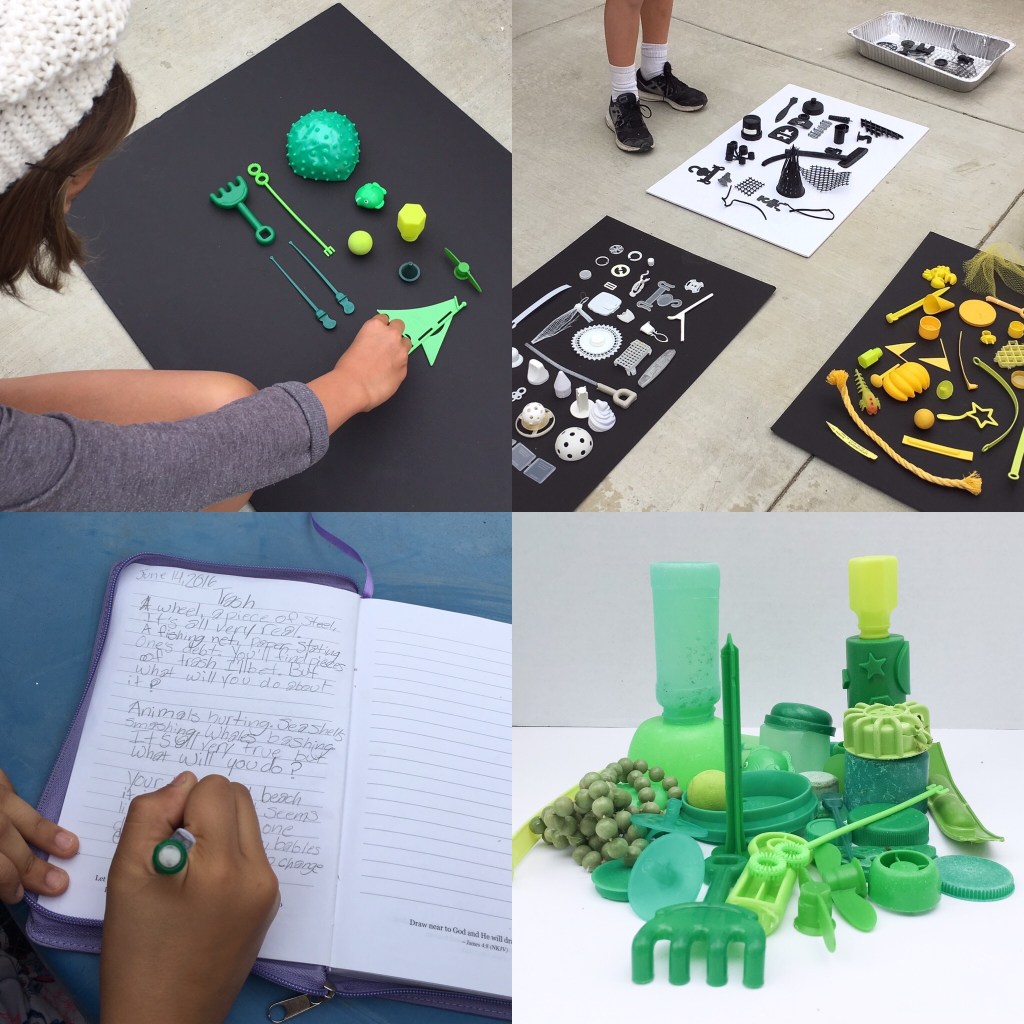
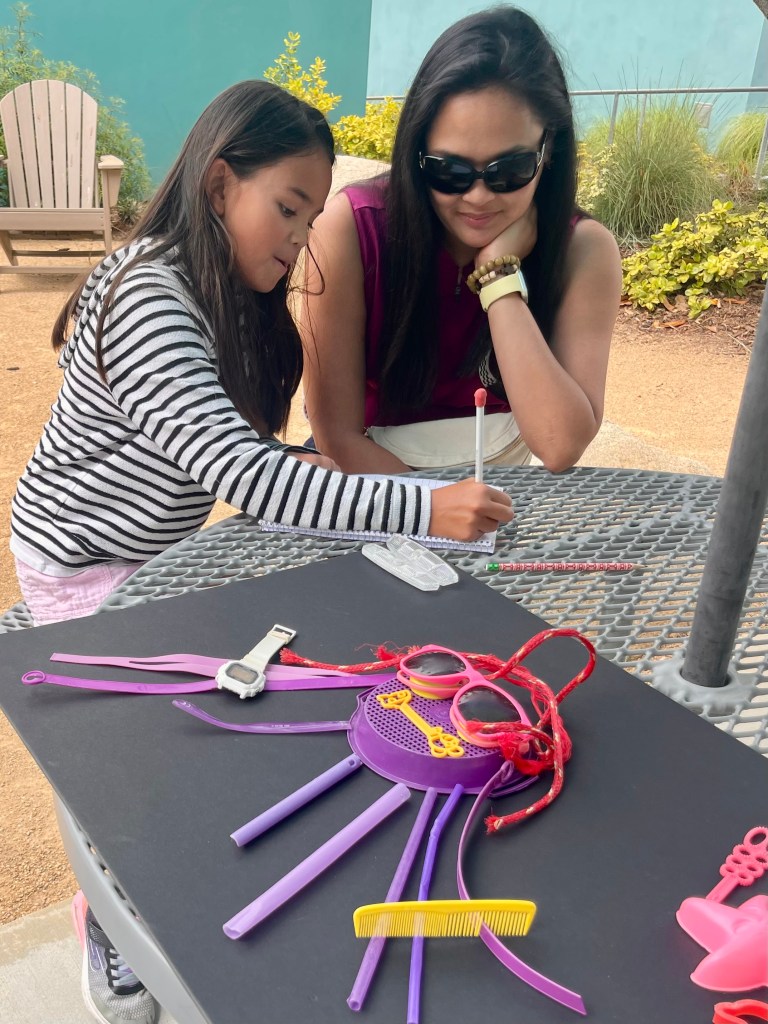
As I arranged containers filled with colorful beach plastic for the activity I had planned for 3rd through 8th graders participating in the San Diego Area Writing Project’s Young Writers’ Camp, I paused to reflect. The eye-catching hues created a strange contrast—a rainbow of marine debris displayed in an elementary school classroom soon to be filled with eager summer campers.
The first time I shared my passion for cleaning the beach with students during a Young Writers’ Camp program was in the summer of 2015. That initial experience took place during short rotation stations with limited time to talk, create, and write. Despite the constraints, campers had fun making abstract designs with the washed and sorted plastic marine debris I had collected from the local coastline.
For the summer of 2016, I refined my presentation, added more beach finds to my bins, and incorporated both mentor texts and examples of marine plastic art, which deepened campers’ understanding and inspired their creativity in different ways. I captured that experience in a blog post titled Making to Make a Difference.
Each summer since then, I have evolved and refined the project. During the recent 8-day Young Writers’ Camp at Cardiff School, I was especially pleased: the art was thoughtful, and the writing was moving. As in the past, I didn’t provide a specific writing prompt, but I did share samples written in a variety of text types by previous campers. As always, the writing produced was quite varied, ranging from heartfelt poetry to informative and opinion pieces.
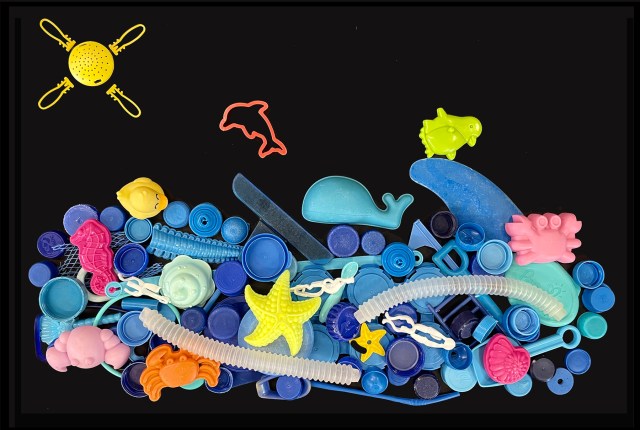
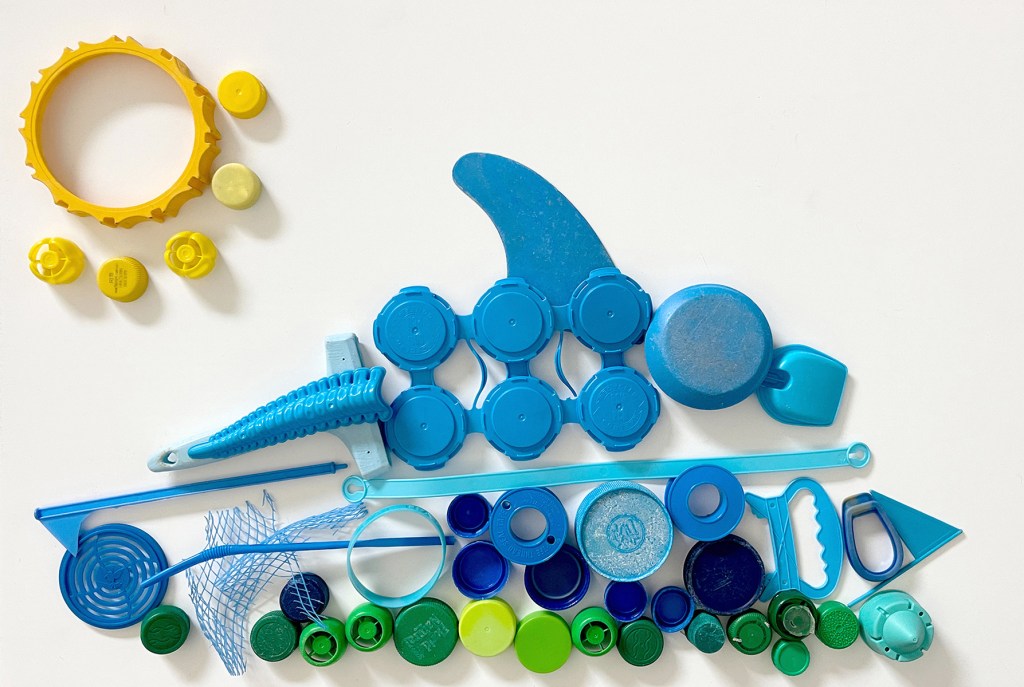
Plastic Animals and the writing it inspired were created specifically to share on social media:
Dear Social Media,
This is a picture of different sea creatures that are affected by the plastic that YOU throw into the ocean. You might not have directly thrown it in, but almost every person on Earth has littered, whether on accident, or on purpose. Light things like plastic bottle caps can be carried by the wind into storm drains that head directly to the ocean. I created this piece of art out of pieces of plastic that my teacher collected off the beach. I believe that this art work represents everything that ends up in the ocean, becomes part of the spectacular animals that live there (not literally) whether they eat it, make their homes out of it, or have gotten stuck in the trash, it becomes a part of them. It is important to properly recycle things that you are done using, like plastic water bottles, cardboard, and Starbucks cups, so that they don’t find their way into animals lives. We do not want the next generation to have to fix the problems that we put into the world, but then become too lazy to fix. So the next time you are out in public, pick up any trash you see, whether it is yours or not, to keep the animals and humans thriving.
Plastic Animals
Two campers wrote clever and convincing letters to McDonald’s, requesting that they reduce their use of single-use plastic items. I plan to mail the letters and will tag McDonald’s when I share them on social media. My fingers are crossed that McDonald’s will respond, but if my experience with reaching out to corporations is any indication, headquarters is unlikely to reply. Either way, the letters are impactful—and even funny.
Dear McDonald’s,
Your chicken nuggets? “I’m loving it.”
Your plastic waste? Not so much.
As you know, your Happy Meals are fun, and millions order them. However, they come in plastic bags. Same with your apple slices. I’m begging you, for the sake of the animals, to take my suggestions into consideration.
Cups: Uh oh… Paper has to work.
Straws: AHH! Could you use the same as Costco?
Happy Meals: Use boxes instead of plastic bags.
Bags: Already good ’cause they are paper.
Napkins: Bio-degradable?*
Remember, you are a multi-million dollar company. You can afford this, the question is will you?
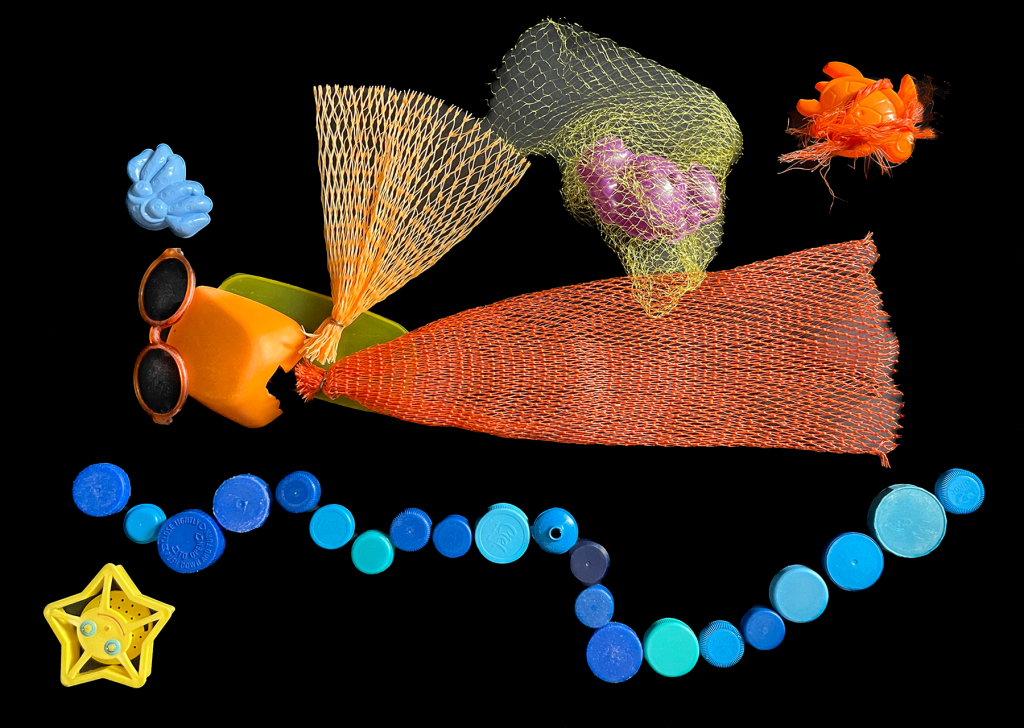
Another camper collaborated with a partner to create Save the Ocean and then wrote a poem titled Take a Step:
Save the Ocean
Take a Step
Every year marine debris is increasing. Every month sea animals are dying. Every week a massive amount of trash goes into the ocean. Every day people forget to recycle. Every hour people throw away plastic. Every minute a truckload’s worth is dumped into the ocean. Every second the ocean is growing murky. We need to take a step. It’s time to change. Take a Step
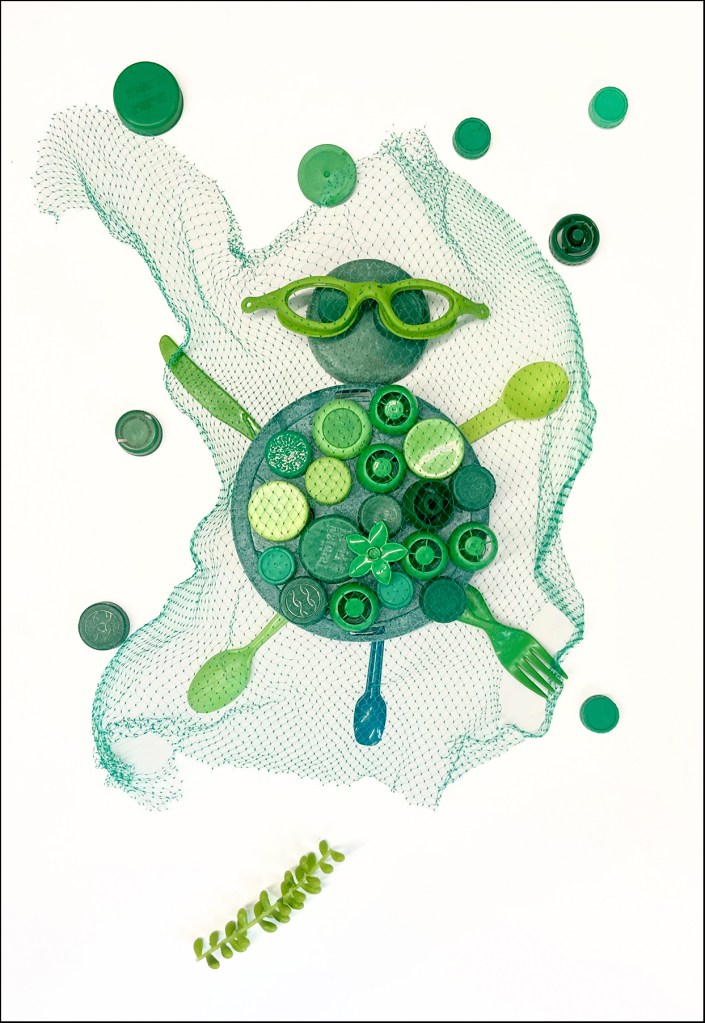
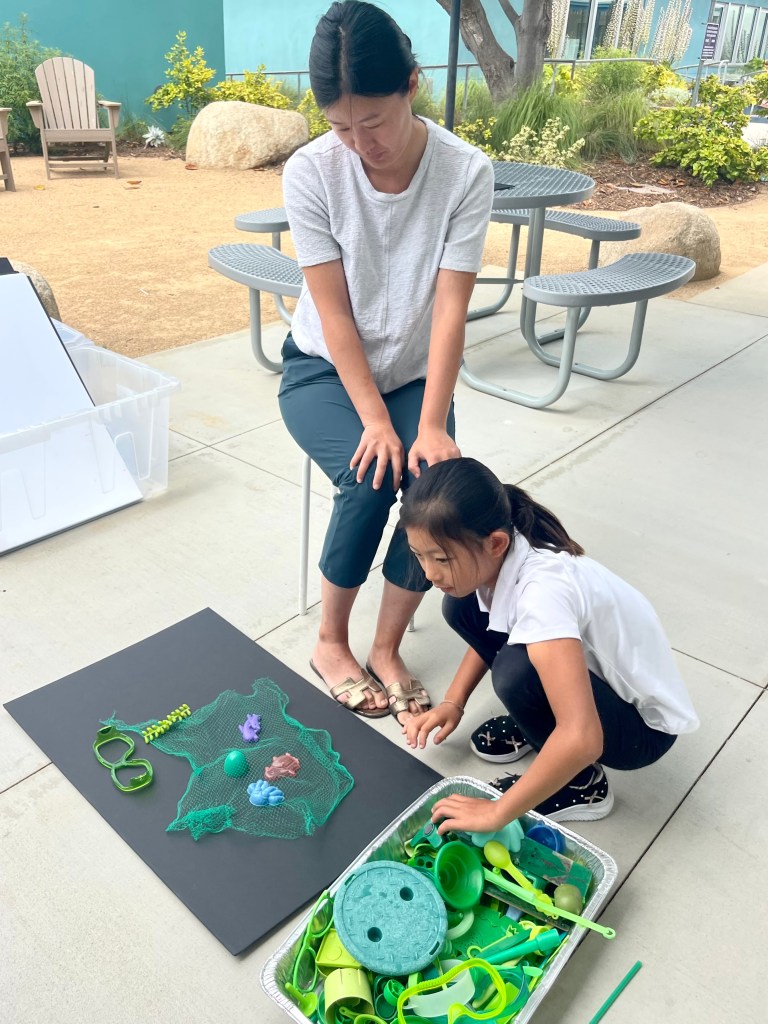
A group of three teamed up to make Stuck Turtle and one camper wrote:
The turtle is stuck, not only in a green net thrown out by someone, but in a sea full of trash. Goggles, spoons, forks, knives, and more bottle caps than you could ever imagine fill the water….We need to make sure that turtles in the ocean don’t end up like this one—scared and stuck in a sea full of trash.
Stuck Turtle
Families were invited to join us for the final day of camp. After introductions and a brief overview, guests had the opportunity to try some of the writing activities alongside their campers. Watching parents and children write and create together is one of my favorite parts of Young Writers’ Camp—it’s heartwarming to see them smile even when addressing a challenging topic together.
I’m grateful to the families who shared their talented children with us for eight days, and I’m especially grateful to the dedicated teachers who gave up part of their summer to nurture our young writers.
A decade may have passed since I first shared Making to Make a Difference, but I continue to be amazed by the young people who transform their art and writing into works of advocacy. Their words and creations remind me that change can begin with one voice—and even the voice of a child can make a difference when we provide opportunities for them to express themselves and be heard.
Please enjoy our Making to Make a Difference Gallery:
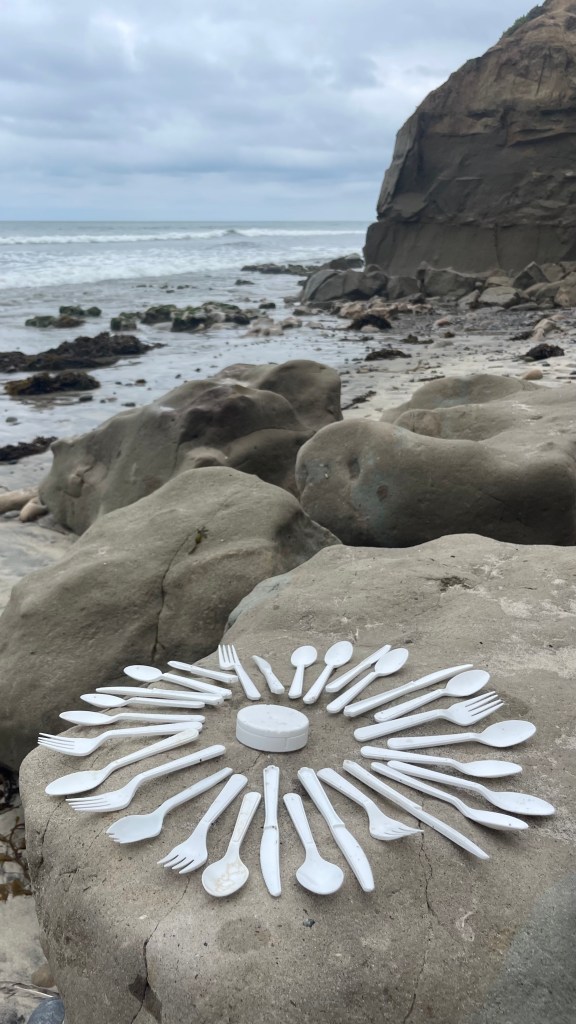
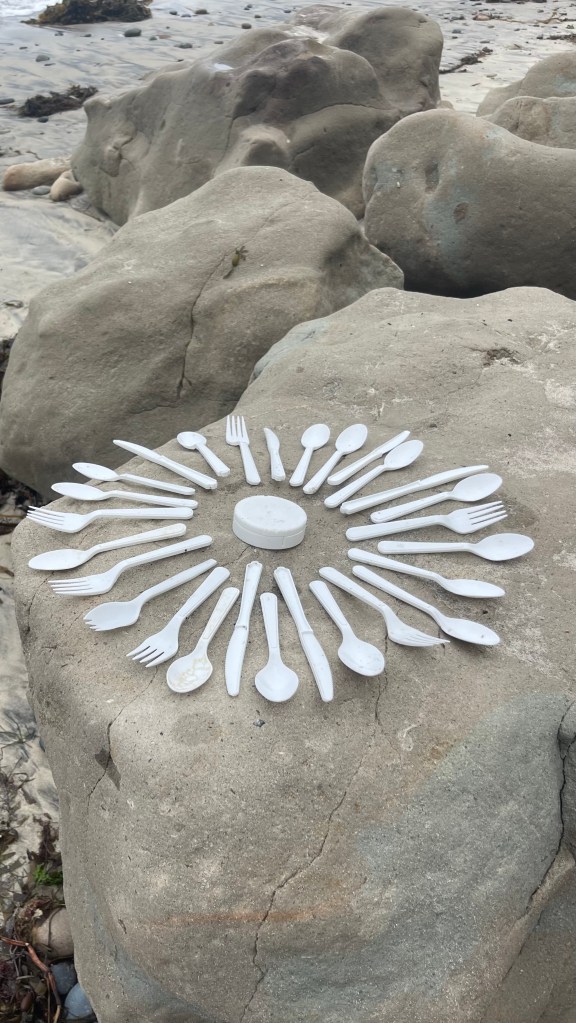
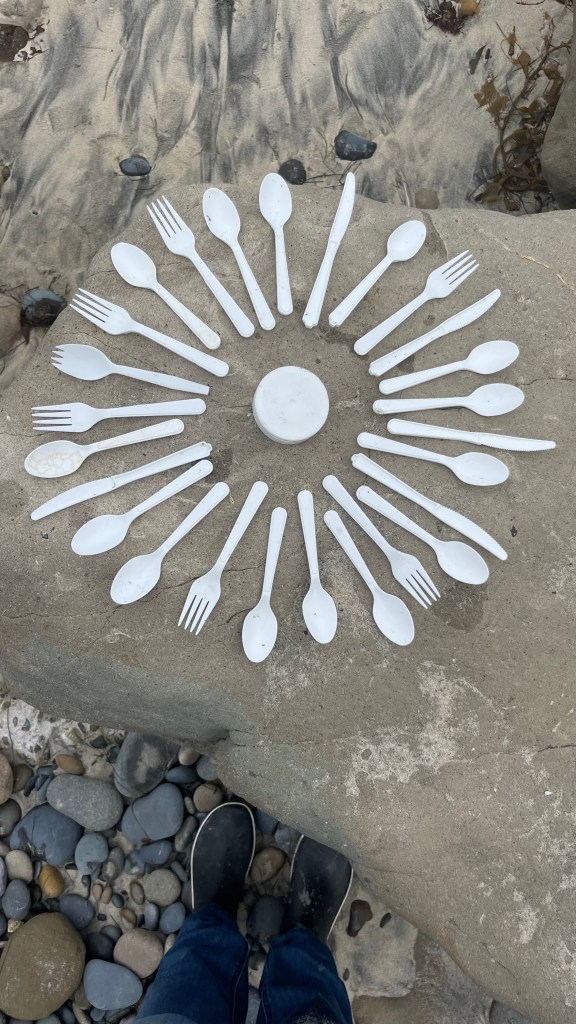
Over the years, I’ve collected countless single-use plastic forks, spoons, and knives during my solo beach cleanups—but yesterday, I set a personal record. I picked up thirty plastic utensils along the stretch of coastline I regularly walk.
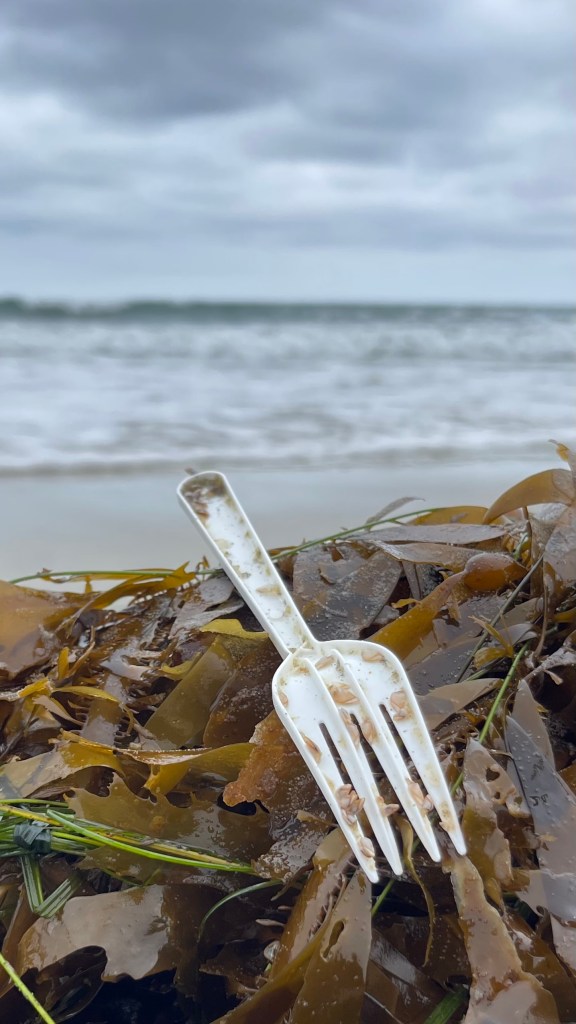
Several of them even had barnacles growing on them—like the one below—evidence that many of them had spent time in the ocean and weren’t just recently littered on the beach.
“Takeaway food and drink litter dominates ocean plastic, study shows.”
Finding one after another, along with other single-use debris, reminded me of a June 2021 headline in The Guardian: “Takeaway food and drink litter dominates ocean plastic, study shows.” Researchers found that plastic bags, beverage bottles, food containers, wrappers—and cutlery—are among the most commonly found ocean plastics. In fact, these types of items make up nearly half of all marine debris.
Lead scientist Carmen Morales-Caselles noted, “We were not surprised about plastic being 80% of the litter, but the high proportion of takeaway items did surprise us.” The researchers concluded that bans on single-use items can be effective strategies for reducing plastic pollution.
California’s “Skip the Stuff” Law: Progress with Room for Improvement
To begin addressing the problem of disposable plastics, California enacted AB 1276—the “Skip the Stuff” law—which became enforceable in January 2022. It requires that restaurants provide single-use items like cutlery, straws, stirrers, and condiment packets only upon request. Responsibility for enforcement falls to cities and counties, and violations can result in penalties. However, because the fines are minimal—not a strong deterrent for many businesses—and local code enforcement departments are often understaffed, compliance has been inconsistent, and violations remain widespread — hence the cutlery “tsunami” I stumbled upon at North Ponto Beach.
Collective Action Makes a Difference
Some cities, like Carlsbad and Coronado, have been proactive by adopting more comprehensive ordinances that require compostable food-ware to further reduce plastic waste—and Encinitas may follow suit when the issue comes before the City Council on June 25.
Even though the rollout of California’s “Skip the Stuff” law has not been perfect, it has helped some—and individuals can still make a difference. We can support local businesses—like Surfrider-certified Ocean Friendly Restaurants—and other food establishments that follow the law. We can also refuse single-use accessory food-ware items and can encourage others to do the same.
In addition, we can advocate for common-sense policies that lead to meaningful change. To that end, keep an eye out for an action alert about the upcoming Encinitas City Council meeting. Sign up to receive Surfrider San Diego action alerts HERE (scroll to the bottom of the page).
If you live in San Diego County, sending a quick email of support will help a lot. And if you’re an Encinitas resident, we hope you’ll attend the meeting on June 25 and consider speaking in person.
Together, we can protect our coastline from plastic pollution!
The Story of a Spoon
Watch The Story of a Spoon for an interesting and engaging look at the life-cycle of one plastic utensil the puts the impacts into perspective.
I picked up five balloons during a recent beach walk. If you’ve spent time at the beach or on the ocean, chances are you’ve seen stray balloons too.
That’s why the @surfridersandiego Rise Above Plastics team is advocating for lighter-than-air balloons bans across San Diego County. To date, Encinitas, Solana Beach, Del Mar, and Coronado have all phased out the sale of helium-filled balloons.
As more cities consider similar policies, it’s import to gather data that shows how widespread balloon debris really is. To support this effort, R/V Pilar has created a user-friendly online form for tracking balloon litter.
Whether you’re at the beach, hiking a bluff, or walking in your neighborhood, if you spot a balloon, please snap a photo and upload it to the tracker.
We can stop balloon pollution — one sighting at a time!
The expression “When you’re in a hole, stop digging” is a reminder that continuing the same actions when faced with a problem will often only make things worse.
For decades, we’ve been digging ourselves into a plastic pollution hole by producing and discarding single-use plastics without considering the impacts to the environment, wildlife, and human health.
While individual actions can help, we must hold both manufacturers and lawmakers accountable because avoiding single-use plastics should not be so difficult, time-consuming, or expensive.
We must work collectively as individuals, businesses, governments, and global organizations to end greenwashing and find real, lasting solutions that will help us dig our way out of this metaphorical hole.
Linkd: “Plastic-Lite Living—Earth Day Everyday” offers tips on reducing single-use plastics in your daily life. You’ll also find Surfrider San Diego’s Plastic Laws Database, where you can explore ordinances in San Diego County along with California state legislation. Plus, learn how to report businesses that are not in compliance.
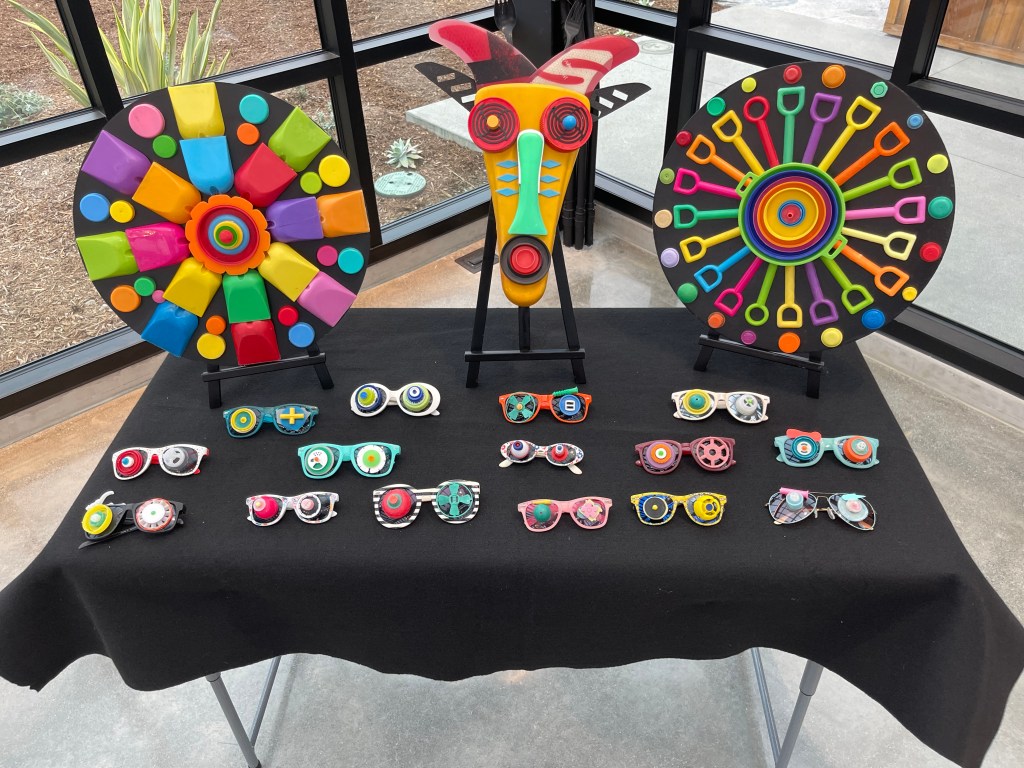
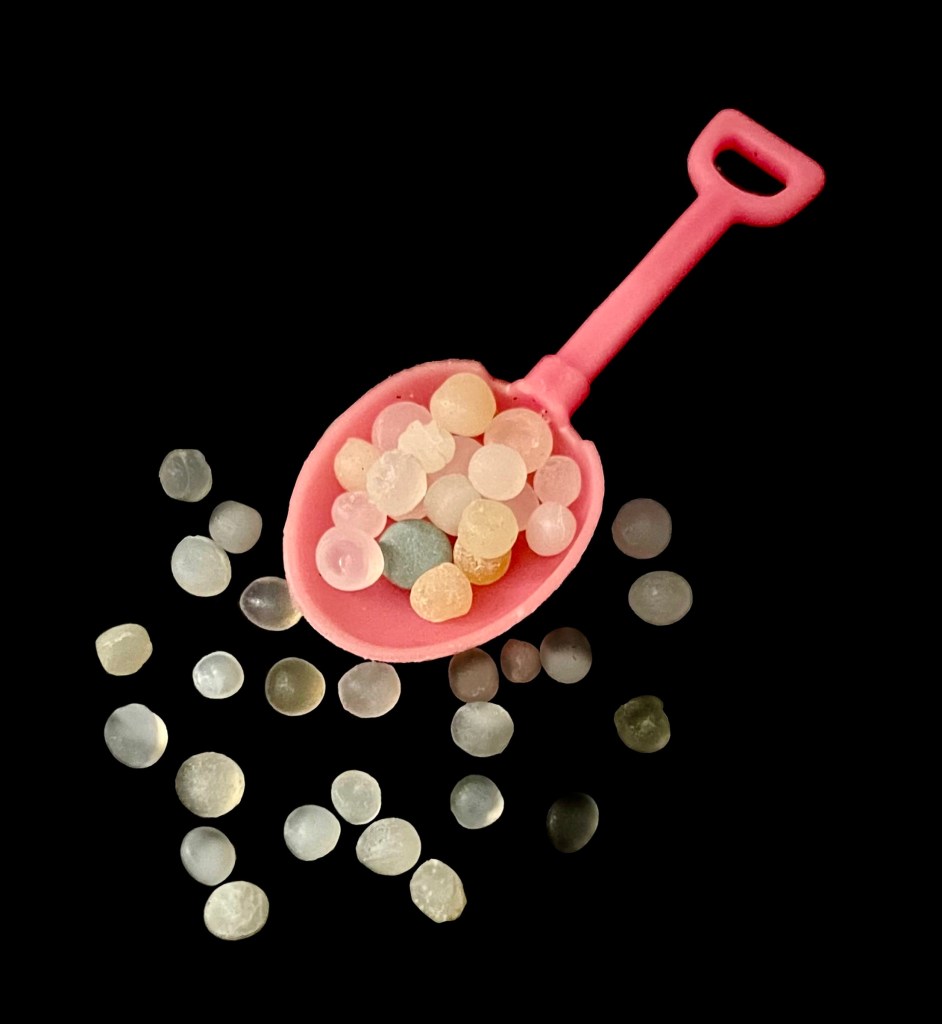
(The tiny toy shovel and hurdles were found at the beach in Carlsbad.)
“If you feel you are in a black hole, don’t give up. There’s a way out.” —𝘚𝘵𝘦𝘱𝘩𝘦𝘯 𝘏𝘢𝘸𝘬𝘪𝘯𝘨
Much of what’s happening may feel like spiraling into a black hole, but there are things we can do to avoid a free fall into darkness.
𝟭. 𝗘𝗻𝗴𝗮𝗴𝗲 𝗶𝗻 𝗟𝗼𝗰𝗮𝗹 𝗮𝗻𝗱 𝗚𝗿𝗮𝘀𝘀𝗿𝗼𝗼𝘁𝘀 𝗔𝗰𝘁𝗶𝗼𝗻: We can become agents of change in our communities by getting involved in local and grassroots initiatives. By speaking up at city council meetings, volunteering with community organizations, and participating in community-led improvement efforts, each of us has the power to have a meaningful impact.
𝟮. 𝗙𝗶𝗻𝗱 𝗮 𝗡𝗲𝘁𝘄𝗼𝗿𝗸 𝗼𝗳 𝗟𝗶𝗸𝗲-𝗺𝗶𝗻𝗱𝗲𝗱 𝗣𝗲𝗼𝗽𝗹𝗲: Collaborate with individuals and groups who lift each other up and provide support in the effort to fight for positive change. By working together, we can amplify our voices and foster collaborative communities that take strides toward a more positive future.
𝟯. 𝗚𝗲𝘁 𝗜𝗻𝘃𝗼𝗹𝘃𝗲𝗱 𝗶𝗻 𝗦𝗼𝗹𝘂𝘁𝗶𝗼𝗻𝘀-𝗢𝗿𝗶𝗲𝗻𝘁𝗲𝗱 𝗜𝗻𝗶𝘁𝗶𝗮𝘁𝗶𝘃𝗲𝘀: Staying aware of what’s happening is important, but it’s essential to avoid the doomscrolling trap. By focusing on solutions and taking direct action, we can contribute to meaningful change. Supporting local policy initiatives, as well as social and environmental programs, helps build momentum for widespread positive impact.
𝟰. 𝗦𝗲𝘁 𝗣𝗲𝗿𝘀𝗼𝗻𝗮𝗹 𝗕𝗼𝘂𝗻𝗱𝗮𝗿𝗶𝗲𝘀: Finding a balance between staying informed and involved and stepping back to rest and preserve mental and physical well-being is essential. By taking care of ourselves, we can remain more fully engaged and effective over time.
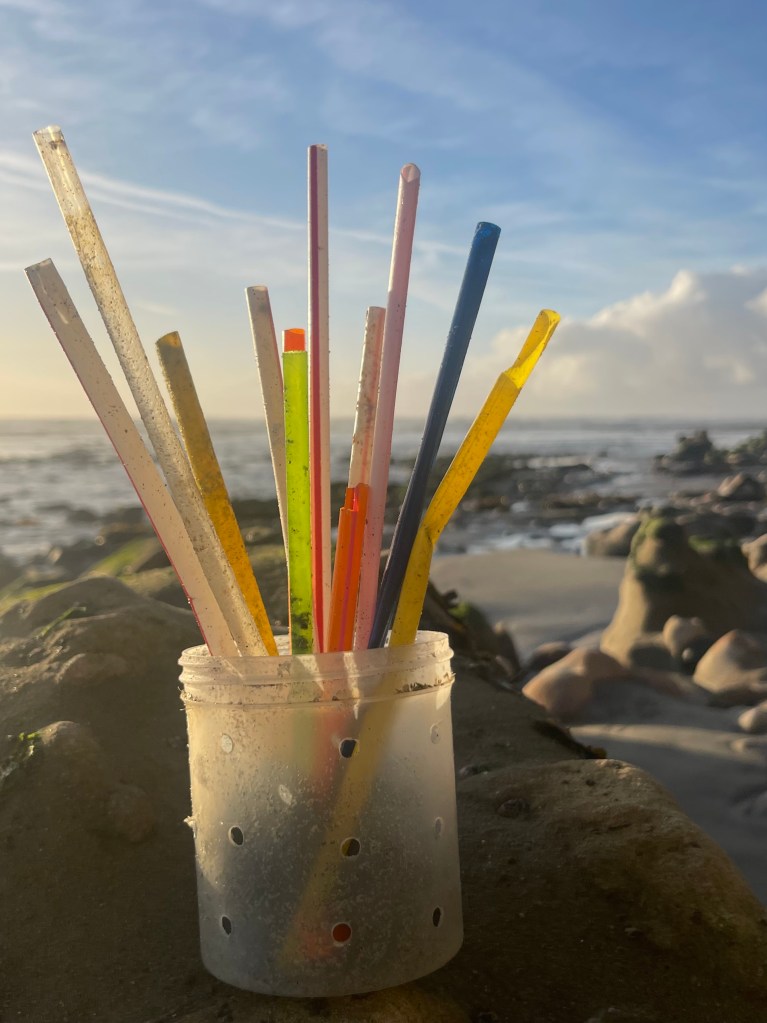
Have you heard? Apparently, plastic straws aren’t a problem. Yet, when I walked the beach in Carlsbad on Friday, I found all of these.
During a White House announcement, Trump stated that paper straws “explode” and added, “I don’t think plastic is going to affect the shark very much as they’re eating, as they’re munching their way through the ocean.”
My personal record for the most straws picked up in a single beach walk is 200. Now that the president has claimed that plastic straws don’t harm sharks, should I just leave them behind? It’s an ironic question, but out of curiosity, I asked ChatGPT what I should do.
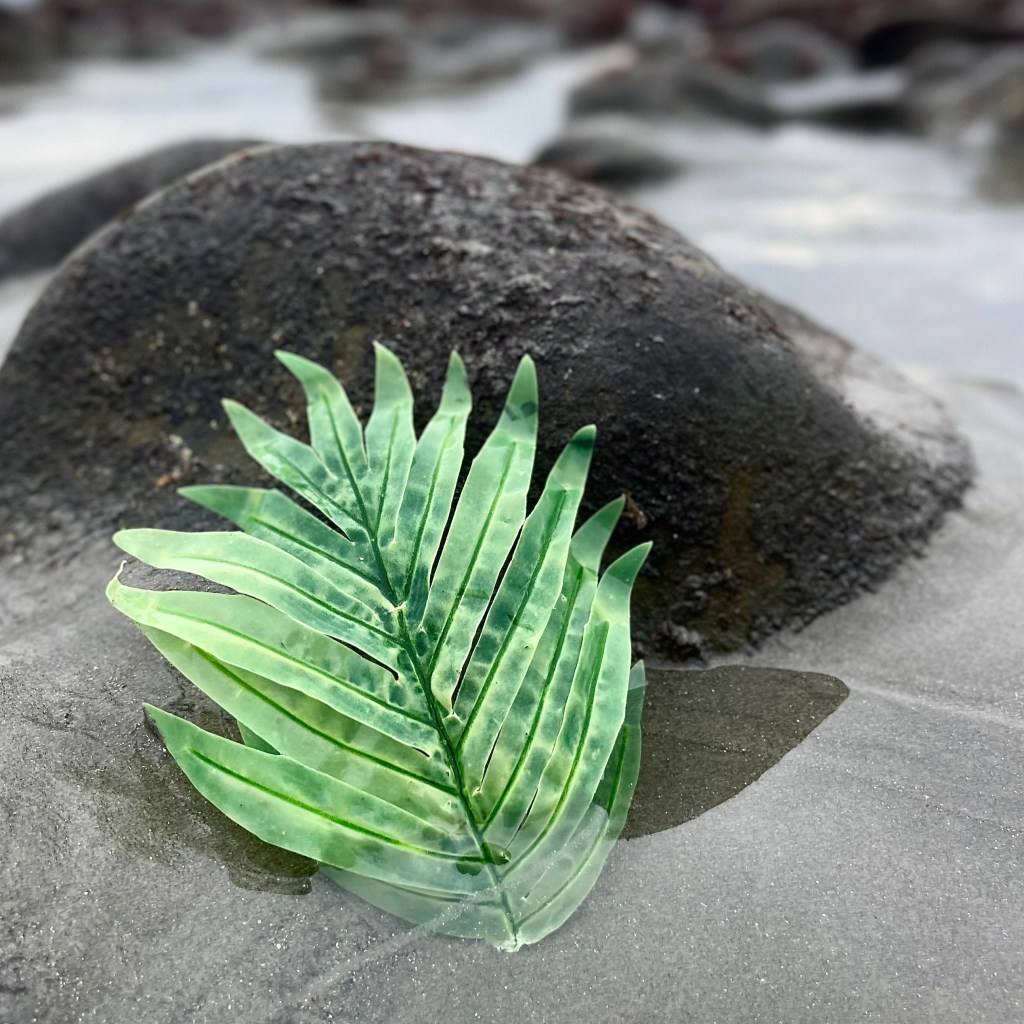
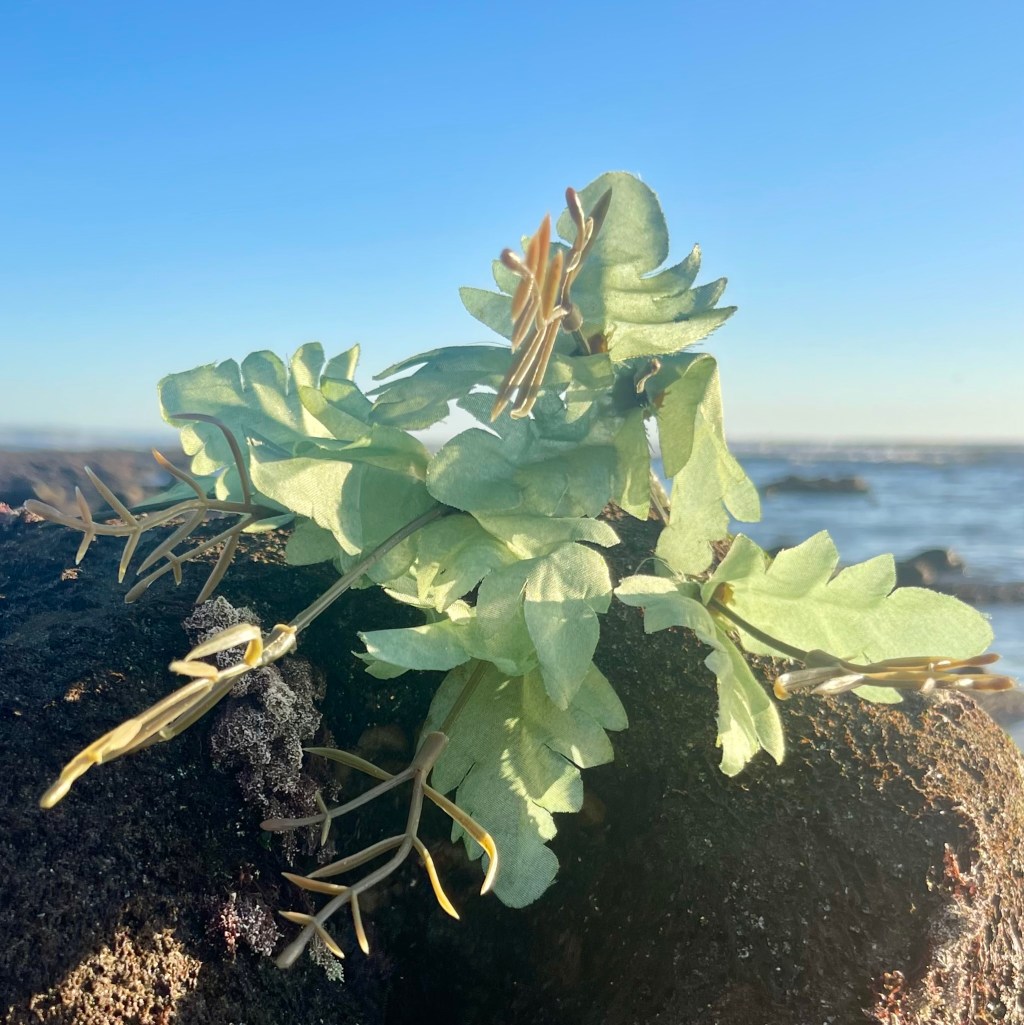
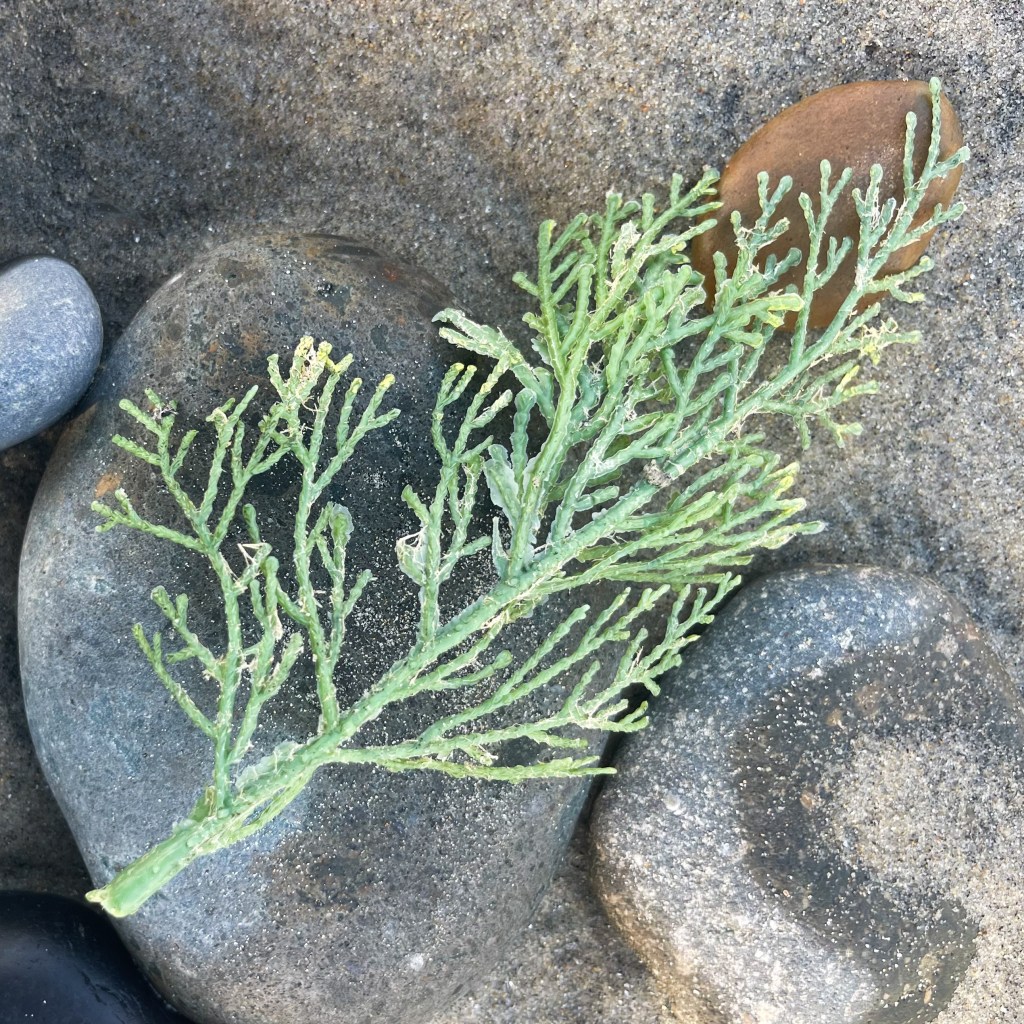
Did you know that ferns are among the oldest plant groups on Earth and that the earliest known fern fossil dates back millions of years before the dinosaurs?
Artificial greenery has been around a long time too. For example, ancient Egyptian artisans used textiles to craft fake palm leaves that were used for ceremonial purposes.
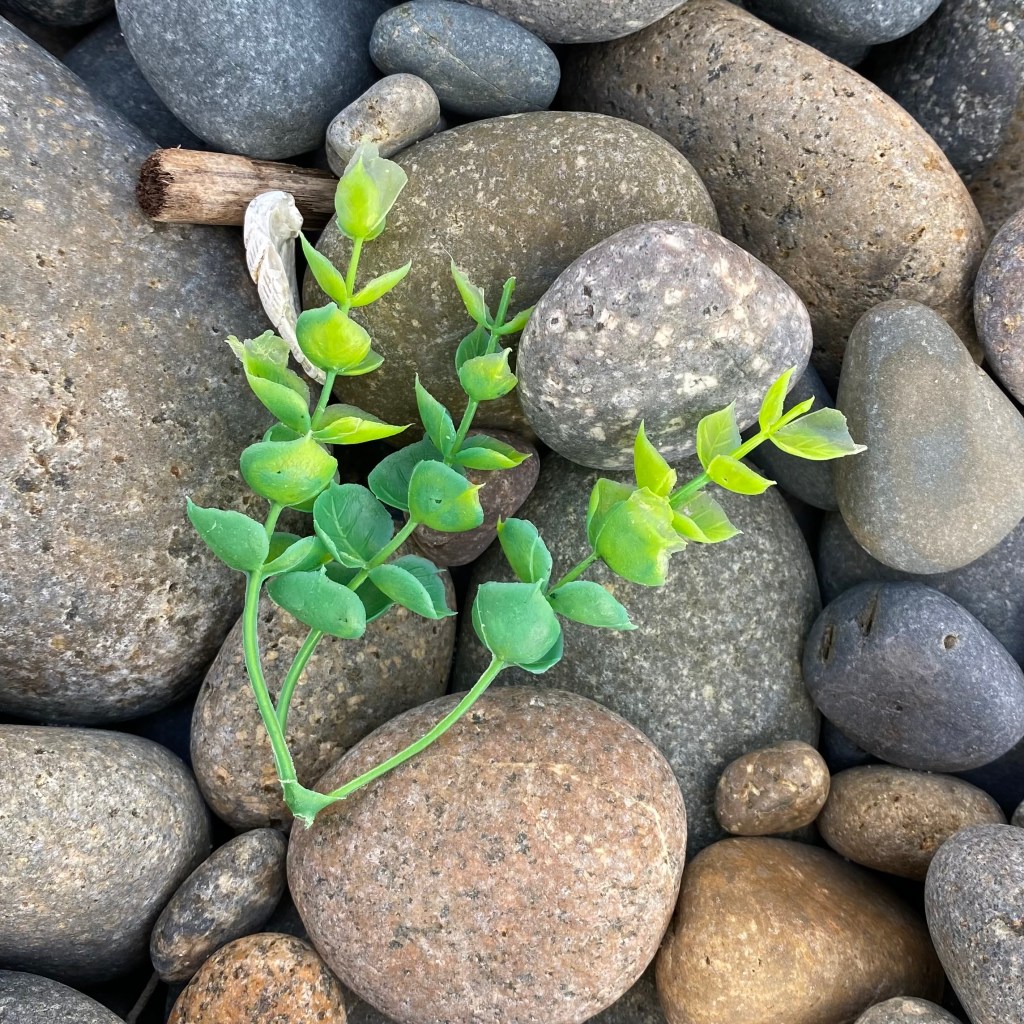
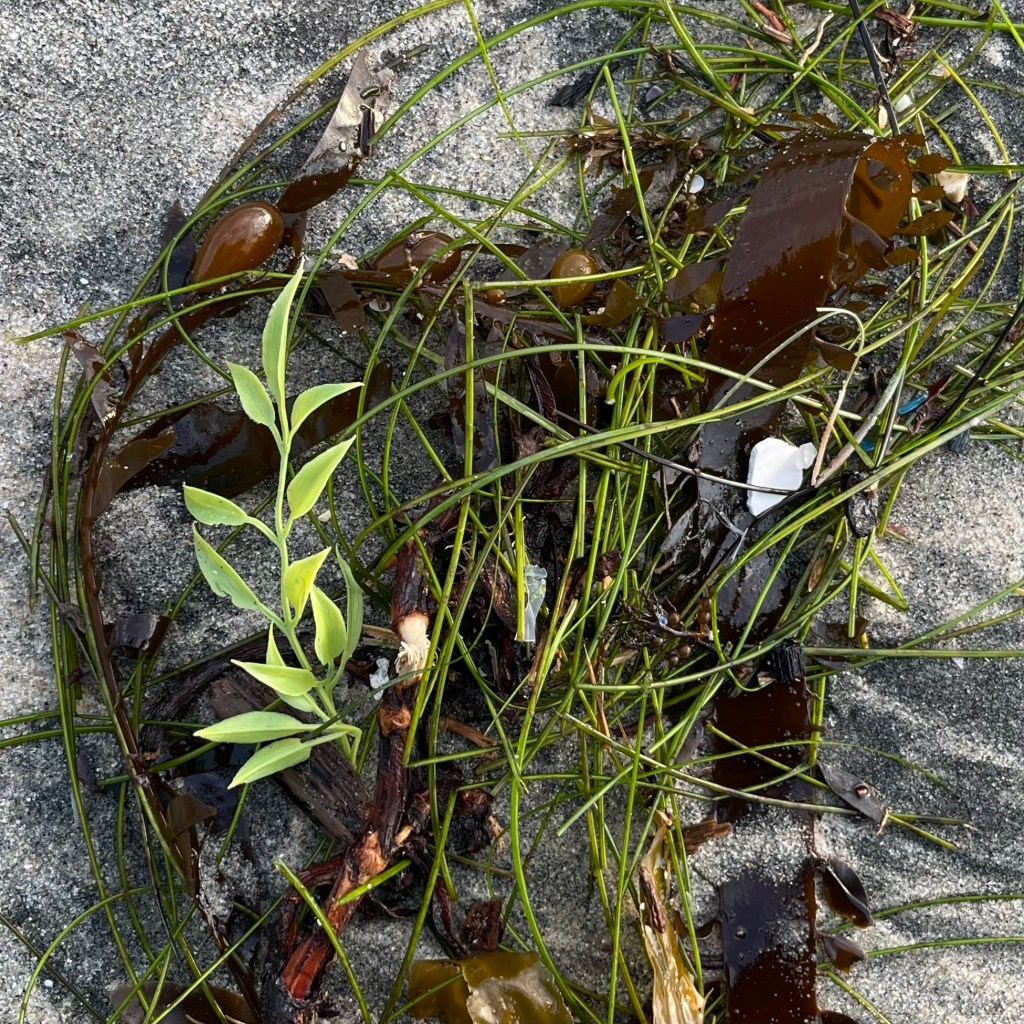
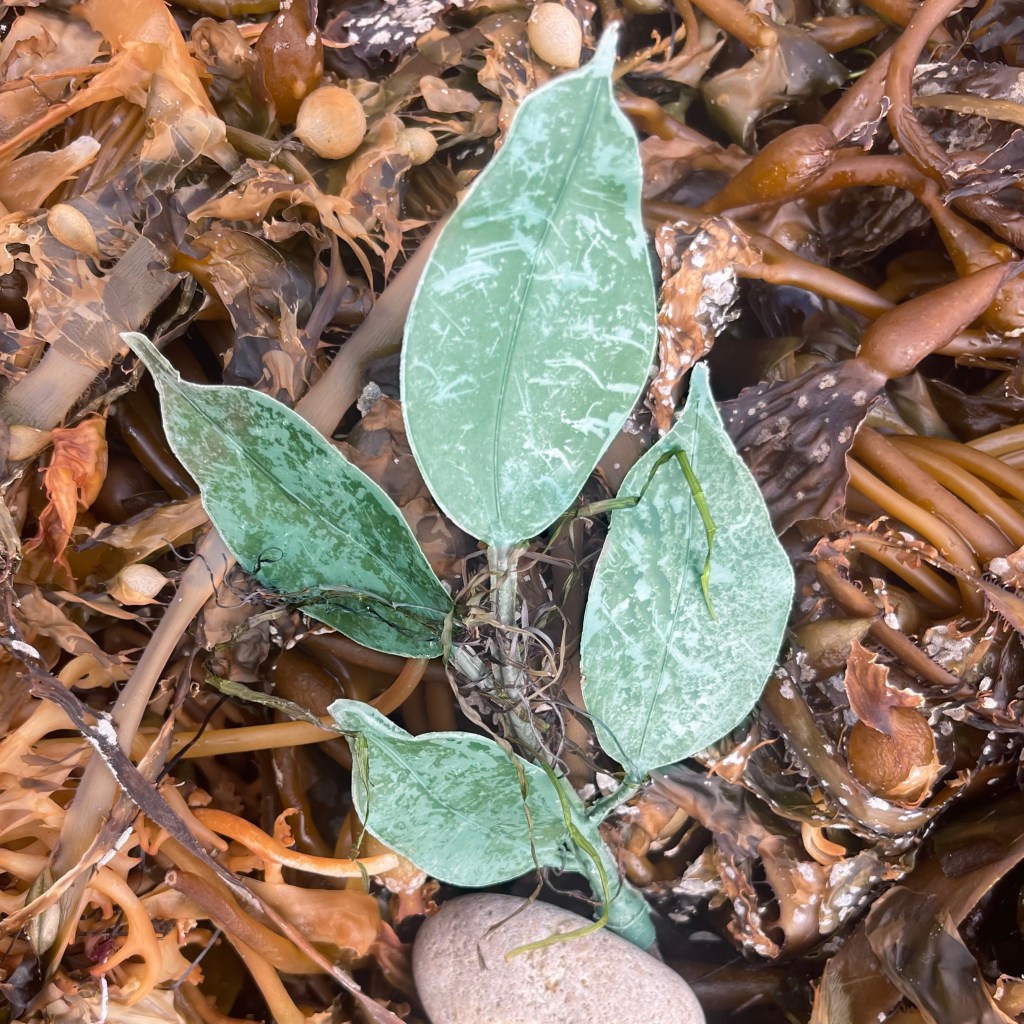
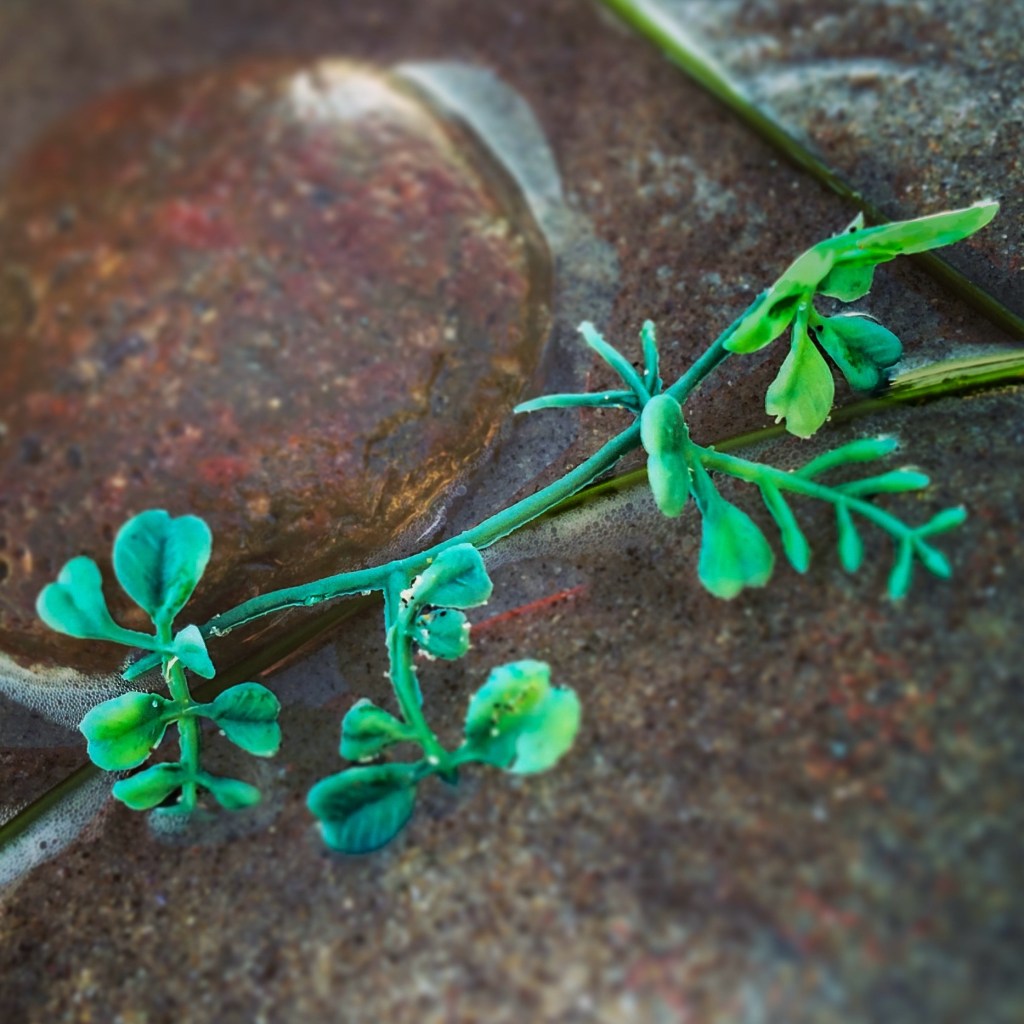
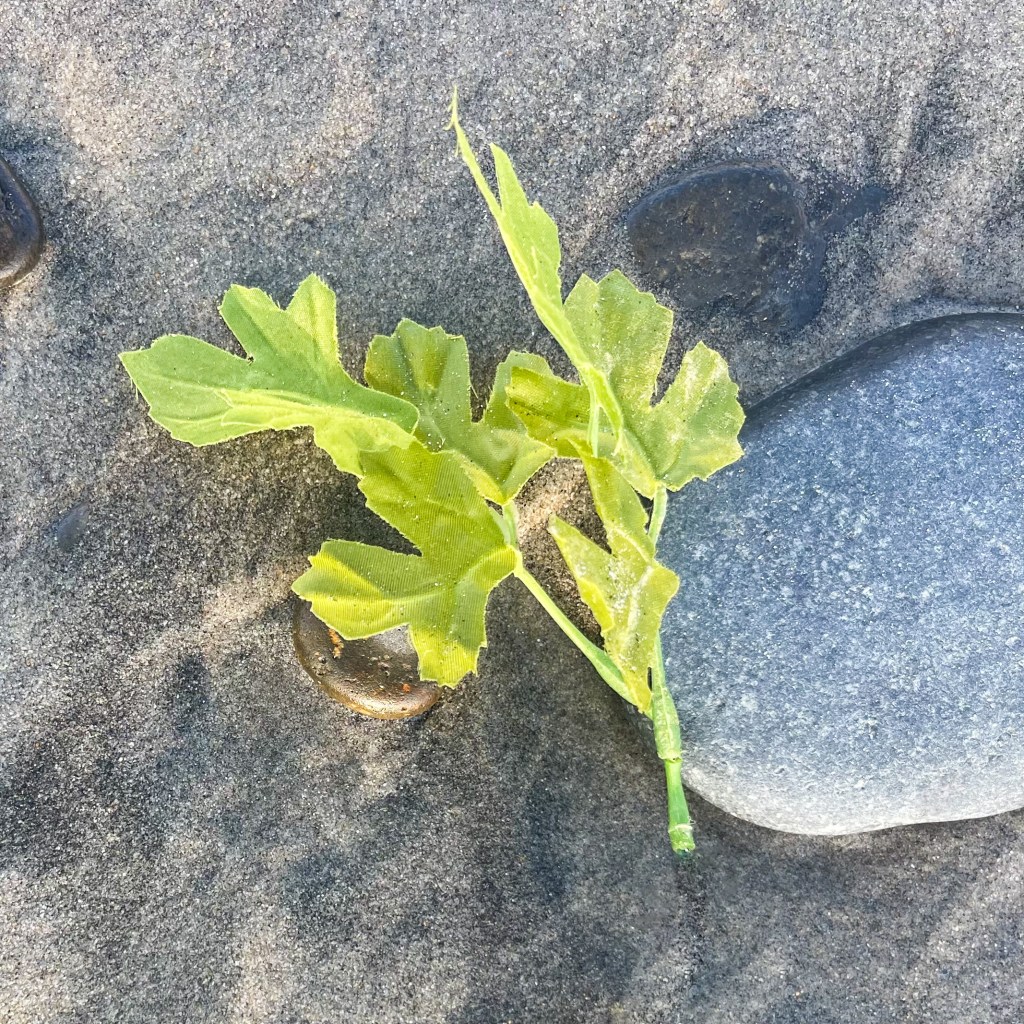
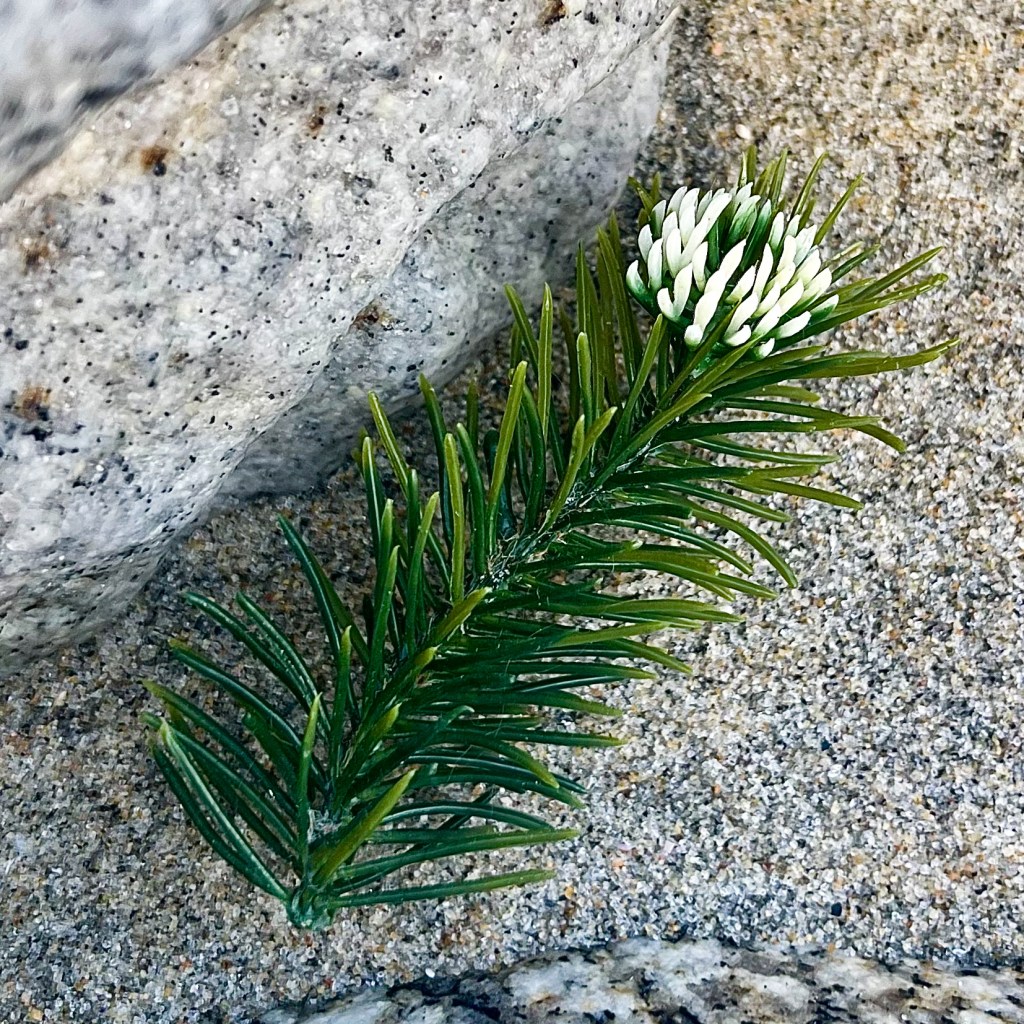
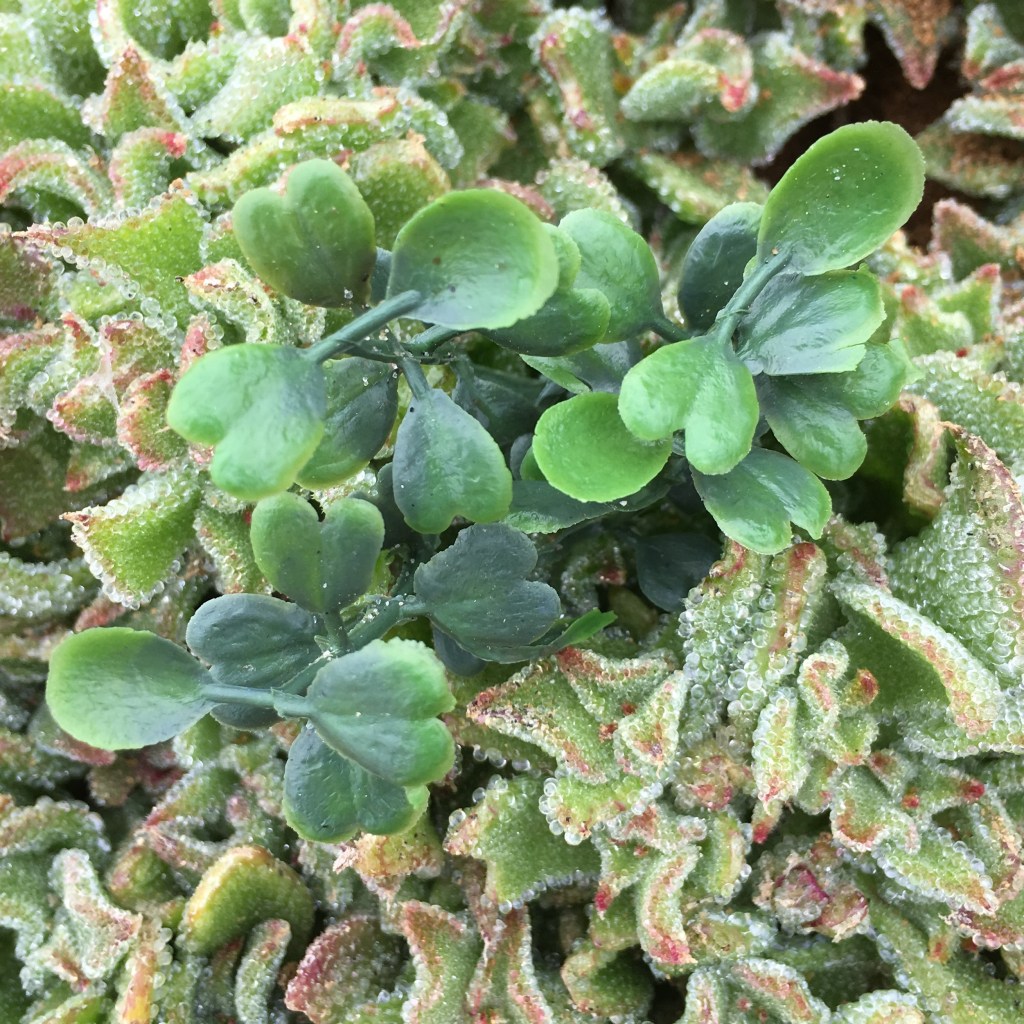
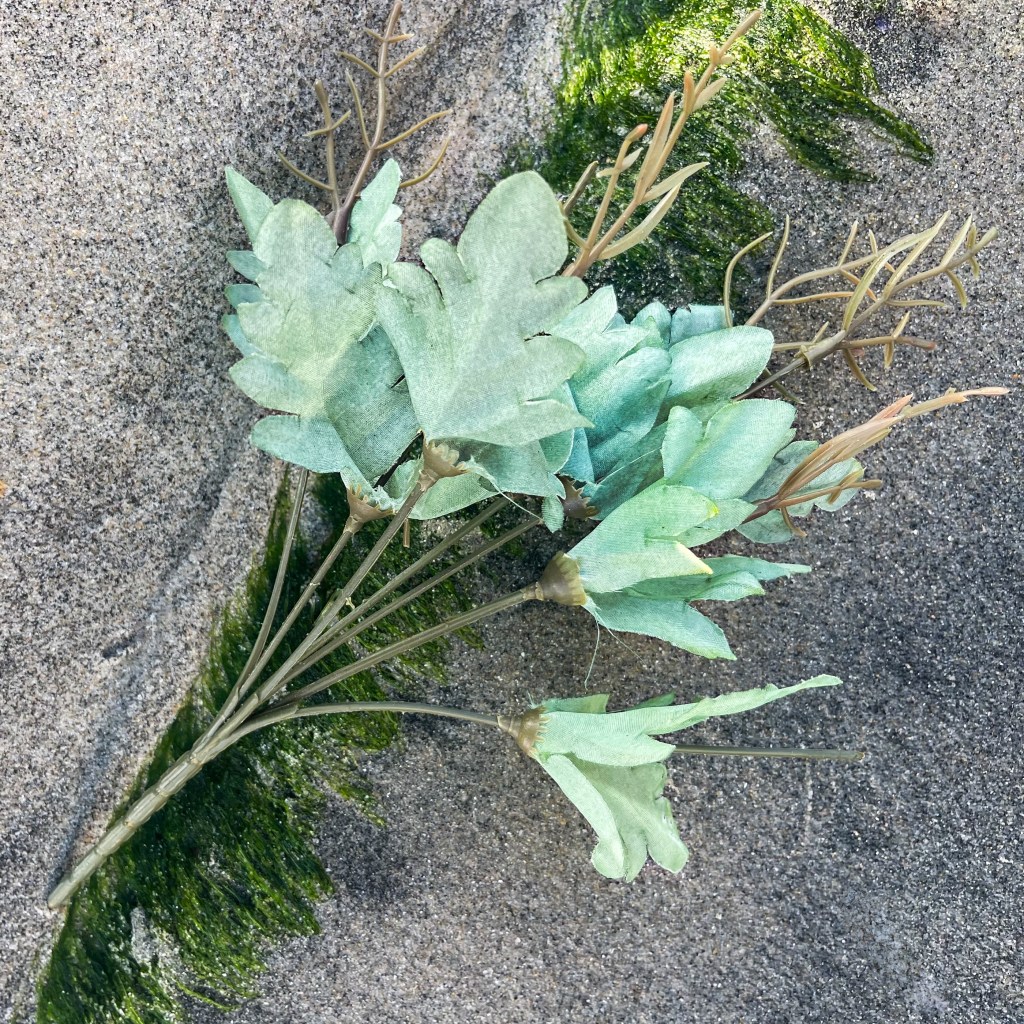
Fast forward to the 1950s and ‘60s when plastics entered the scene and fake plants were used to complement the mid-century modern aesthetic. Today, synthetic flowers and plastic plants continue to be in demand for both residential and commercial design. They have become especially popular as Instagramable decor in trendy social spaces, but these “low maintenance plants” come with often unacknowledged environmental costs.
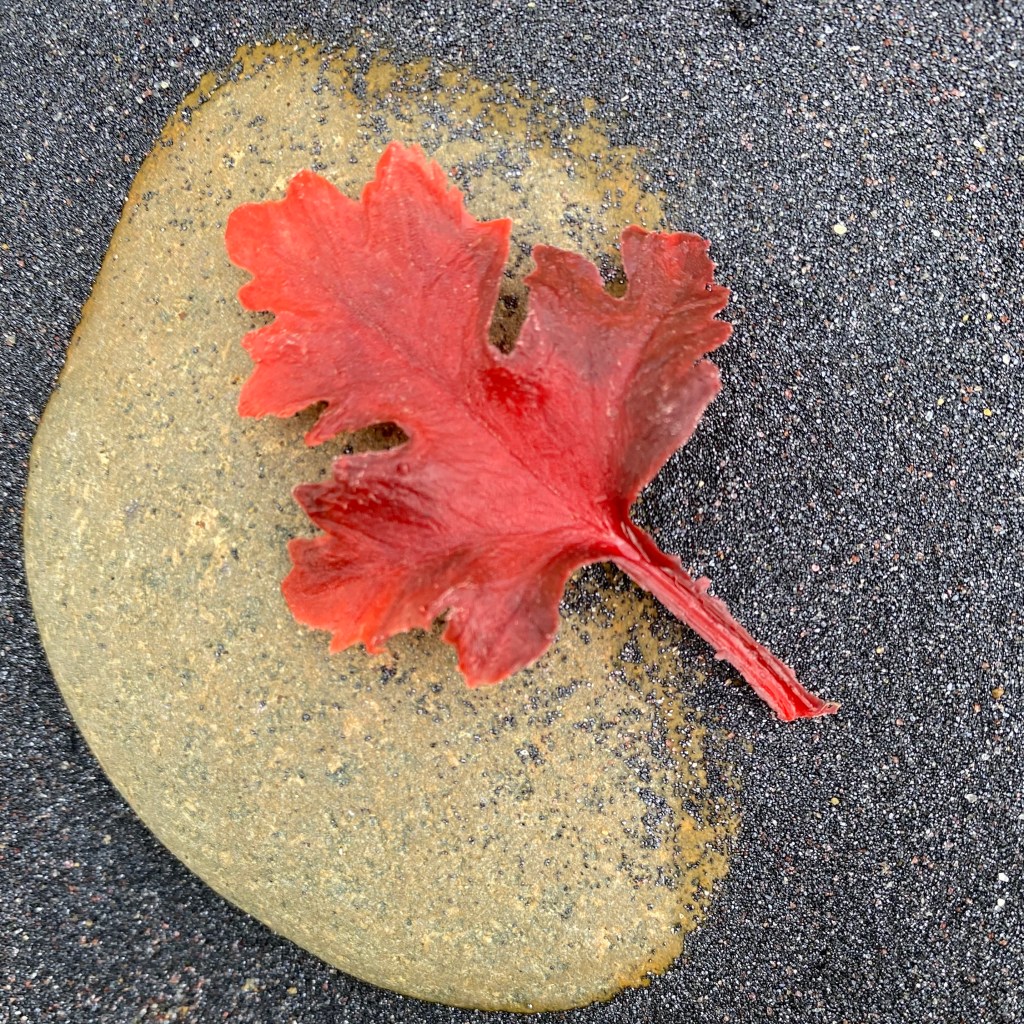
Before long, all this modern faux foliage will end up in landfills, and some—like the ones I’ve found on the beach—will enter the natural environment due to human carelessness. Much like the ancient ferns that have endured for millions of years, this plastic greenery will persist well into the future.
Eventually, these synthetic leaves and flowers may even become part of the geologic record, just like the ferns of the past. What will these plastic plant fossils tell future generations about our culture and the era in which we live?










 ShoreSweep