
The following text set resources were curated to help students build background knowledge and expand their vocabulary as they engage in deeper learning about marine debris and plastic pollution. This particular set includes various genres, text types, and reading levels, allowing students to explore the topic from multiple perspectives and engage with different writing styles and modes of communication.
For more information about text sets, visit Creating a Text Set from the National Writing Project or Text Set Lesson Planning Resources from the State University of New York at Geneseo’s Milne Library.
Videos
- Trash Talk (series of videos by NOAA’s Ocean Today)
- How Much Plastic is the Ocean? (Be Smart by PBS)
- Why the Plastic Pollution Problem Is So Much Worse Than You Think (Be Smart by PBS)
- What Is Marine Debris? | A Cartoon Crash Course (Jim Toomey)
- Two Minutes on Oceans w/ Jim Toomey: Marine Debris (Jim Toomey)
- The Nurdles’ Quest for Ocean Domination (TED Ed)
- A Brief History of Plastic (TED Ed)
- Earth’s Ekko—Together We Can Make A World of DIfference (Plastic Oceans International)
- Trash Counts (NOAA)
- The Great Pacific Garbage Patch (NBC News Learns)
- What Are Microplastics? Science For Kids (National Science Foundation News)
- One of the Dirtiest Beaches in the World (Hawaii | Message in the Waves | BBC Earth)
Articles
Scholastic News
Scholastic Science World
Time For Kids
Science News Explores
- Food-like Smell on Plastic May Lure Seabirds to Eat It
- Tiny Plastic Big Problem
- Plastic Trash Rides Ocean Currents to the Arctic
- Swirling Seas of Plastic Trash
- Plastics at Sea Creates Raft of Problems
- Plastic Trash Travels Up to Arctic Waters
- Polluting Microplastics Harm Both Animals and Ecosystems
- Help for a World Drowning in Microplastics
- Corals DIne on Microplastics
- Pacific Garbage Patch Might Be 16 Times Larger Than Thought
- Expedition finds South Pacific plastic patch bigger than India
- Polluting microplastics harm both animals and ecosystems
DOGO News
- How the Increasing Plastic Debris In The Great Pacific Garbage Patch MayAlter The Ocean’s Ecosystem
- The Once Pristine Henderson Island Is Now Covered With Plastic Waste
- The Great Pacific Garbage Patch Is Home To A Thriving Community Of Coastal Creatures
Newsela
- If You Dropped Plastic in the Ocean, Where Does It End Up?
- Plastics Found In Stomachs of Deepest Sea Creatures
- Evidence Shows Microplastics are Harmful to Zooplankton
- Yummy Scent of Some Plastic Trash Makes Fish Think It’s Food, Study Finds
- Tiny Pacific Island Has No Humans but Gets Much of World’s Plastic Trash
ReadWorks
National Geographic Kids
Earth Science Journal For Kids
Wonderopolis
- Where is the World’s Largest Pile of Trash?
- How Long Does It Take Plastic to Decompose?
- Why Should We Reduce Our Plastic Waste?
News for Kids
- Fast Facts: Microplastics
- Microplastics Found All Through Arctic Ocean
- Atlantic Has 10 Times More Plastic Than Scientists Thought
Ocean Find Your Blue from Smithsonian Museum of Natural History
- Marine Plastics Includes chapters on History, Impacts, Solutions and Successes
Songs
- Marine Debris is No Joke
- The Marine Debris Song
- Our Only World
- Keep the Ocean Clean
- Plastic Song
- Don’t Throw It Away by Keb’ Mo’ with Taj Mahal
- Plastic Island by Tavana
- Fragments by Jack Johnson
- Plastic Free Song by Jack Johnson
Cartoons
- Beat Plastic Pollution
- Plastik
- The Ocean’s Inhabitants
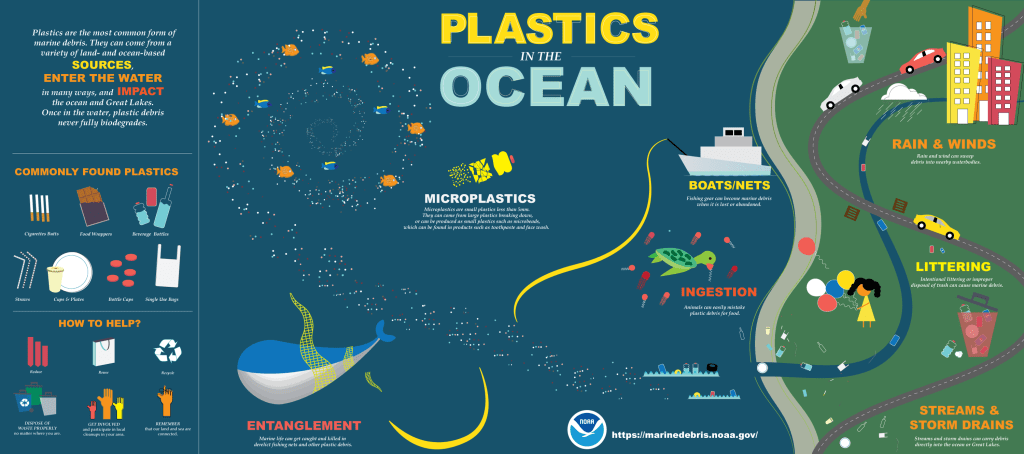
- Plastics in the Ocean
- Aquarium Plastic Pollution Waste Fish
- World Whale
- Pollution
Infographics
- How Long Until It’s Gone?
- Marine Debris is Everyone’s Problem
- Sources of Marine Litter
- The Great Pacific Garbage Patch
- A Clearer Picture of Plastic
- Plastic Waste in Our Ocean
- Plastic Pollution Impact on the Sustainable Development Goals
- Plastic Management Infographic


 ShoreSweep
