
My work highlights the plastic pollution problem through photographs, 3-D objects, and sculptures created with plastic debris found on North County San Diego beaches.
Introduction
As I walk along the beach in North County San Diego, I collect plastic debris that has washed up with the waves, was swept out with the run-off, or was left behind by beach-goers. Many aspects of modern culture are represented in the detritus: single-use straws, utensils, water bottles, bottle caps, grocery bags, balloons, toys, food wrappers, and much more are curated by the tides.
Each time I clean the beach, I notice the contrast between the man-made refuse and the beauty of the shore, the crashing waves, and the ever-changing sky out toward the horizon. I enjoy the challenge of making something out-of-place look visually pleasing as I seek to tell the story of our polluted planet.
In spite of the current realities and despite the amount of plastic I find on local beaches, I don’t get discouraged. Instead, I find hope in the inspiration provided by others. My hope comes from knowing that I am part of a world-wide community of passionate people who care about the environment and are taking action to protect both planet and people.
Into the Current

Into the Current, created for the Kites Over Vista public arts program, represents the Great Pacific Garbage Patch and the marine litter that gathers there due to circular currents in the Pacific Ocean that act like giant whirlpools, trapping plastic detritus and other debris. The title of the piece, Into the Current, has several meanings, alluding to both the ocean currents and the current reality of the health of our oceans. For more, visit the Into the Current page.
Drowning in Plastic

Garbage Patches
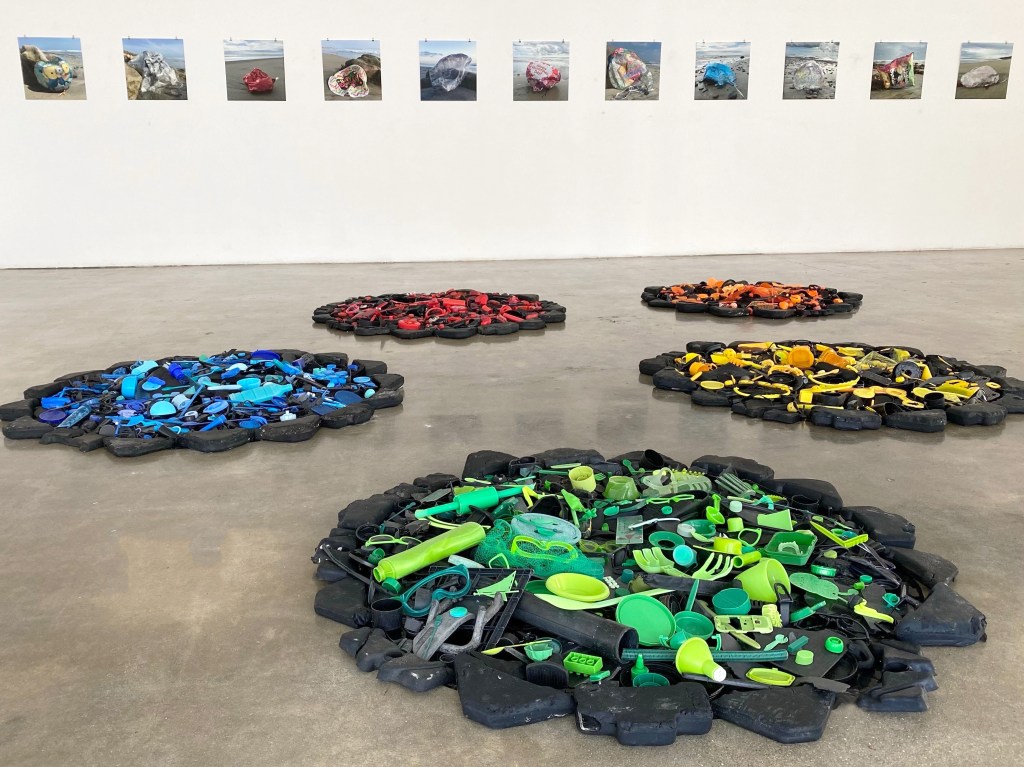
Garbage Patches represents the Great Pacific Garbage Patch in the North Pacific along with the other concentrations of marine debris, which are located in the South Pacific, the North and South Atlantic, and the Indian Ocean. Debris gathers in these five ocean zones due to surface winds and circular currents that act like giant whirlpools in which plastic detritus becomes trapped. 8 billion tons of plastic enters the ocean annually, and 80% of it is from land-based sources. If we don’t act now, by 2050, there will be more plastic than fish in the ocean by weight.
Alphabet Soup
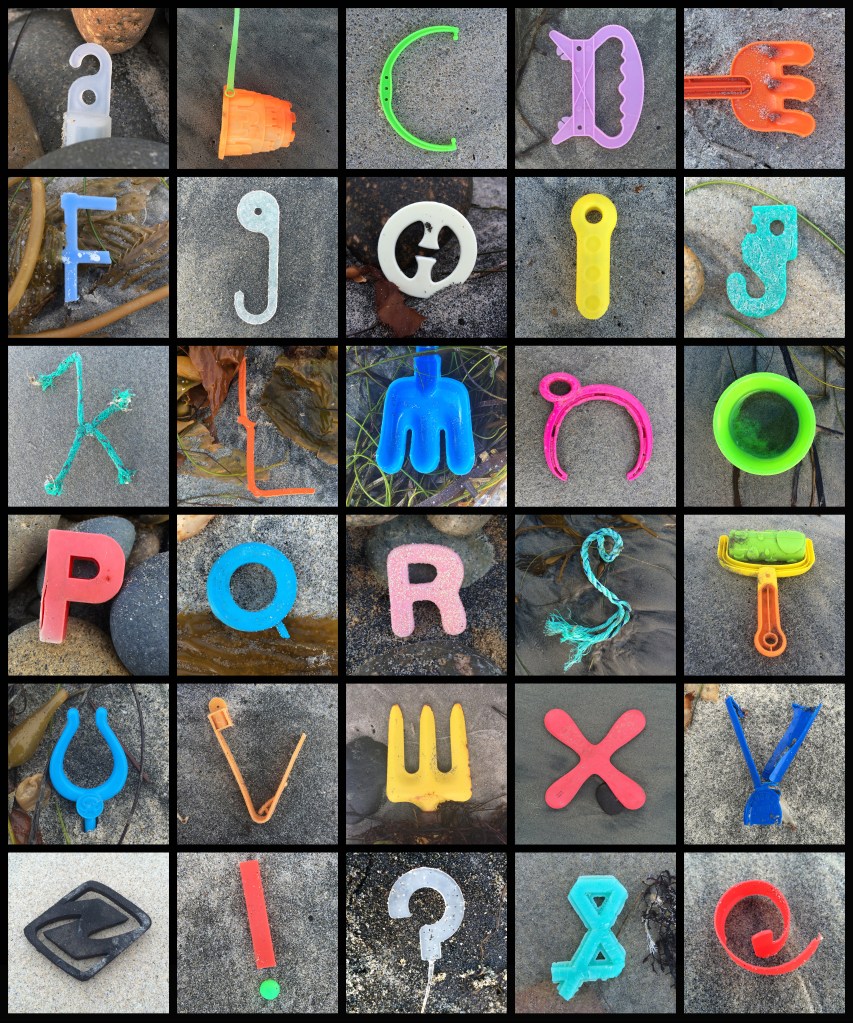
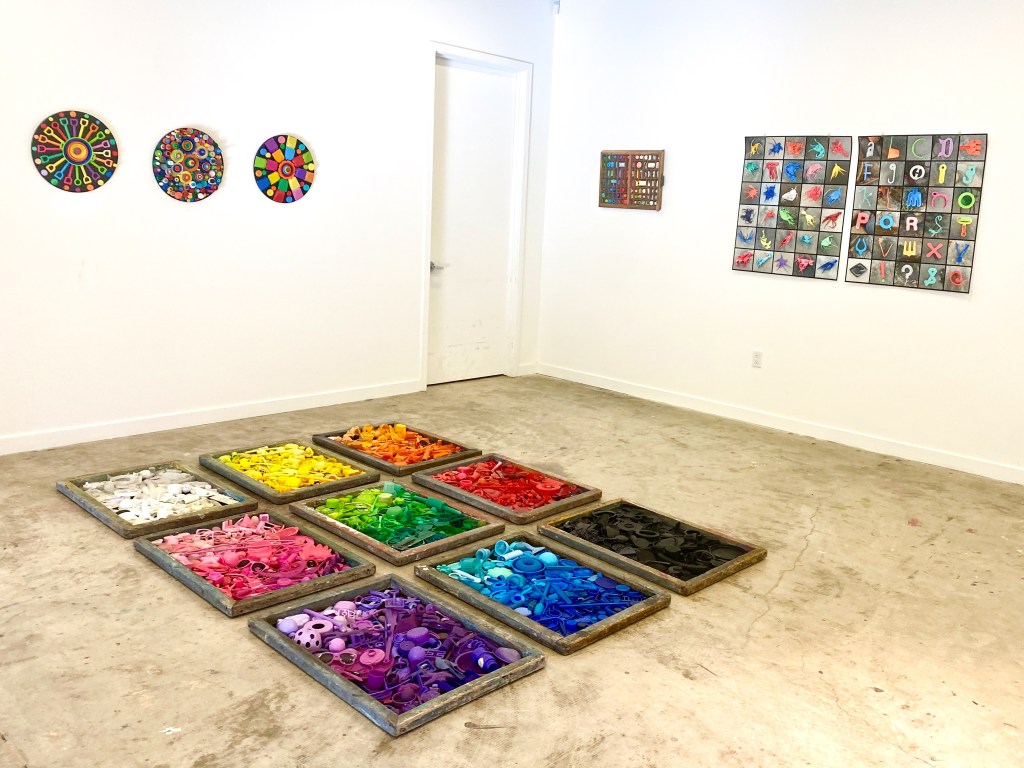
Alphabet Soup is a compilation of letter-shaped plastic items found on North County San Diego beaches. The title references the fact that the concentration of plastics in the garbage patches are not islands of large pieces of floating debris. Rather, the accumulated plastics are more like a soup of swirling microplastics, some of which are so small they aren’t even visible. In fact, it’s possible to sail through one of the garbage patches and see very little plastic, but it’s there, floating on the surface and swirling throughout the water column.
Sea-Enemies

When released, helium-filled balloons will eventually burst or deflate and will descend to Earth as harmful debris. Latex balloons often fragment into pieces that resemble sea anemones, and as ocean pollution, both latex and mylar balloons can harm shorebirds, marine mammals, and sea turtles.
Fortunately, there are innumerable ways to replace helium-filled balloons with other fun options. Try making prayer flags out of scrap fabric or decorate with recycled paper flowers—and if balloons are a must, air-filled stick balloons are a safer option because they won’t float away if accidentally released. For more information, including additional ideas for balloon-free celebrations, please visit balloonsblow.org, and to find out how you can support the San Diego County balloon campaign, email RAP@surfridersd.org.
Calamity Clown
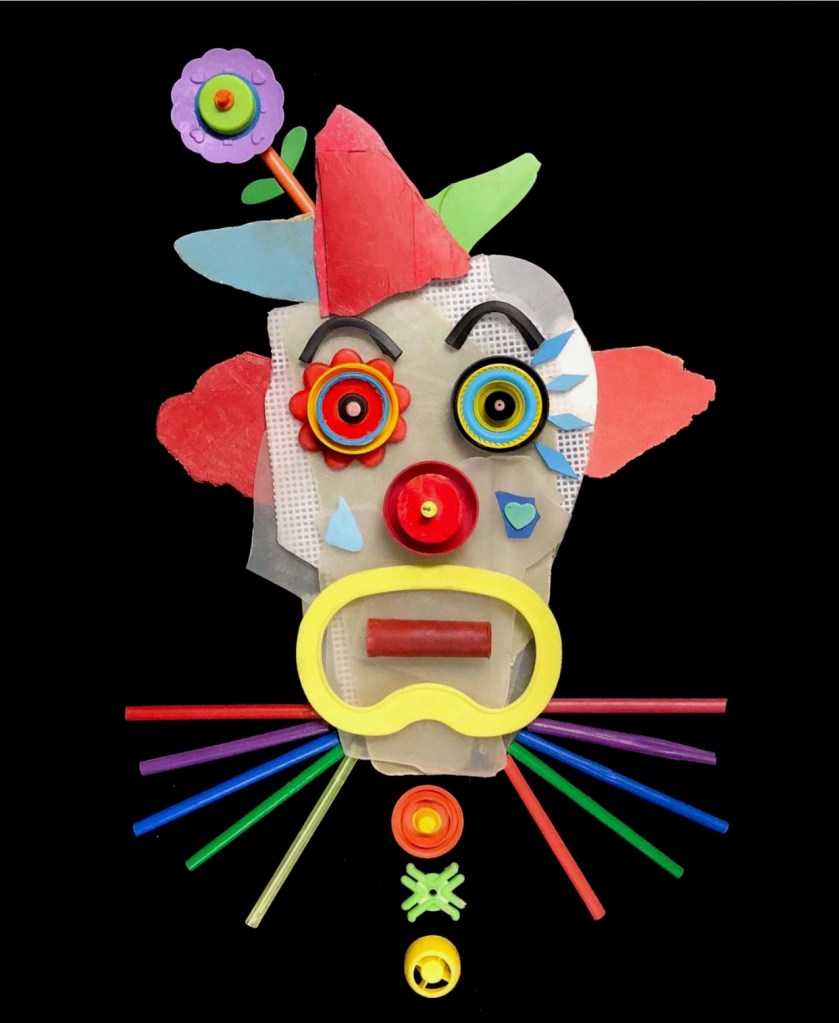
A calamity is a disaster “marked by great harm and lasting distress and suffering.” Calamity Clown represents the harmful impact that plastic pollution has on the environment and the distress and suffering it causes people living in fence-line zones near facilities that emit pollutants.
Calamity Clown also signifies the urgency of the problem and the fact that there is no time for clowning around. Individuals can help stop the plastic pollution calamity by refusing single-use items such as plastic bags, water bottles, straws, stirrers, utensils, take-away cups, and to-go containers.
All Caps

Billions of plastic drink bottles are sold every day around the world, and all too often the bottle caps end up as litter only to get swept into a storm drain where they can be carried to the ocean when it rains. In fact, bottle caps are in the top five most commonly found items on International Coastal Clean-Up Day. How can you ensure that your next bottle cap doesn’t end up polluting the ocean?
Shovel Stars
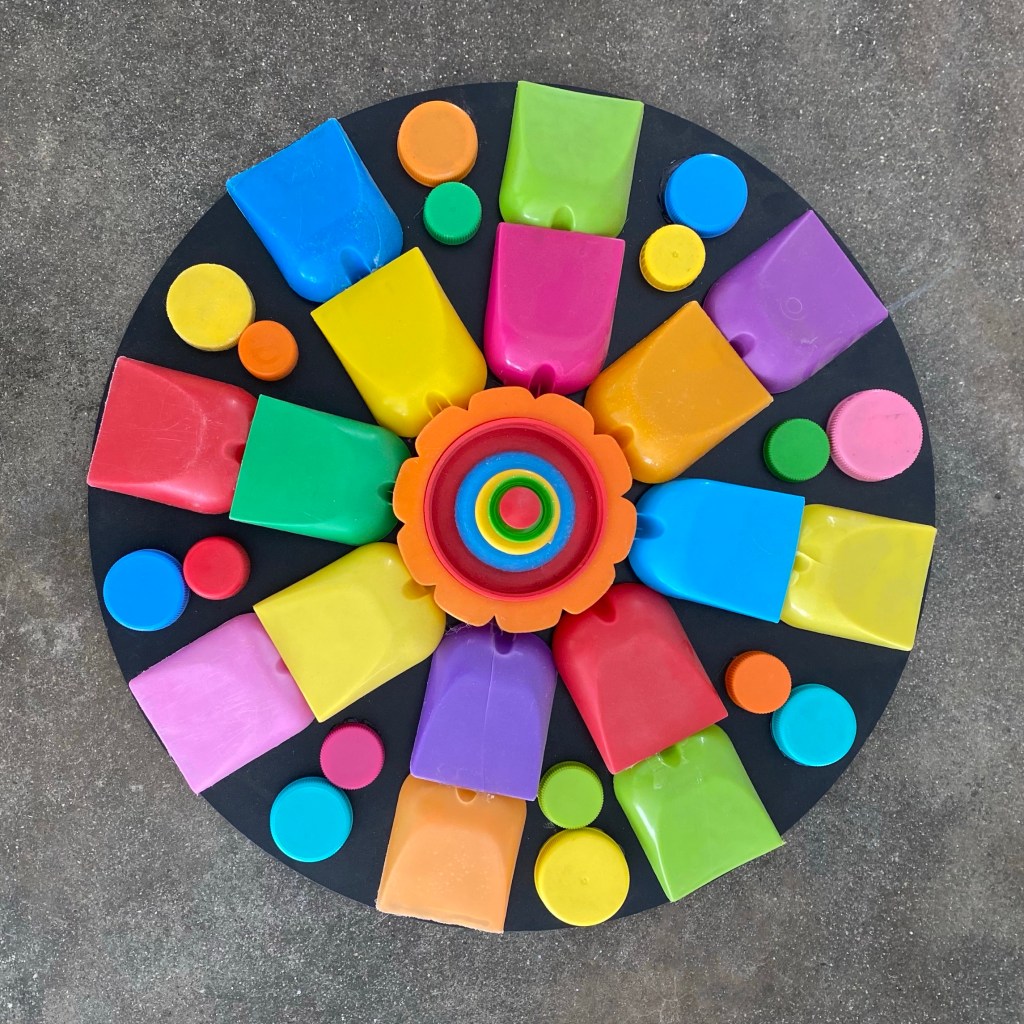

There are close to 2,000 species of sea stars (starfish) living in the ocean. Most have five arms, but there are sea stars with as many as forty arms. Plastic sand shovels are also ubiquitous. Everyone enjoys watching children as they play in the sand at the beach, but when broken beach toys are left behind, they become plastic pollution.
Litterpress
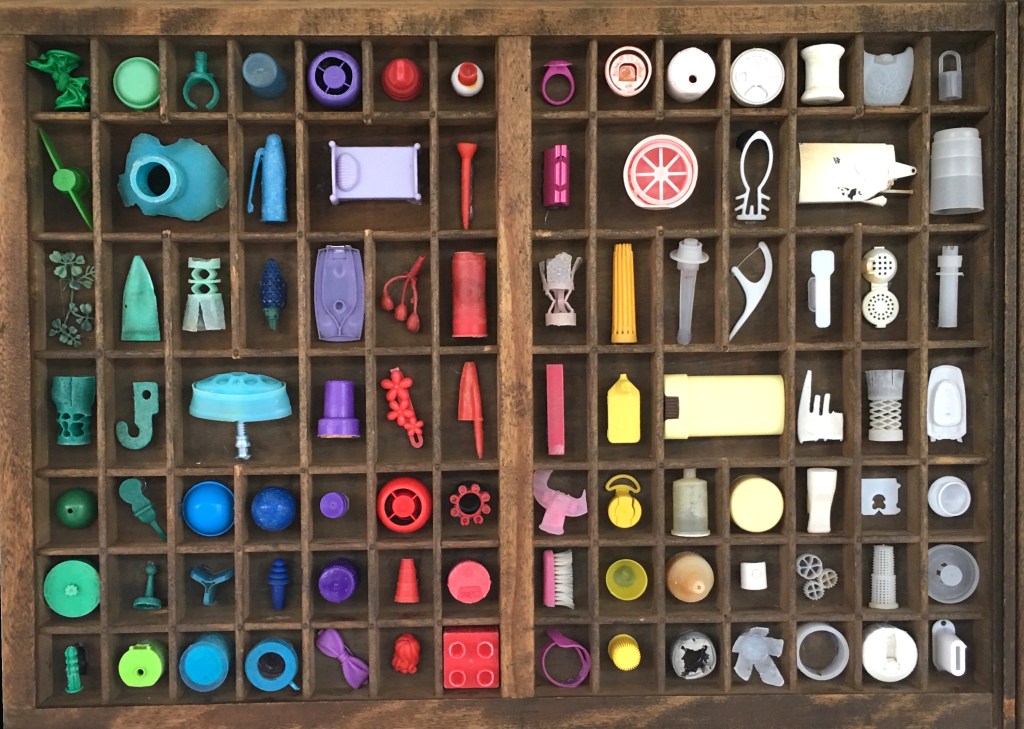
Letterpress trays were once used to store moveable letters for typesetting. This Litterpress displays pieces of marine debris that were found on beaches in North County San Diego. Some of the items are recognizable as the objects they once were, and others are unidentifiable. Look closely at each block. Can you find the contact lens case, cigar tip, snack pack cheese spreader, Lego wig, or tooth flosser? What else can you identify?
Unmasked


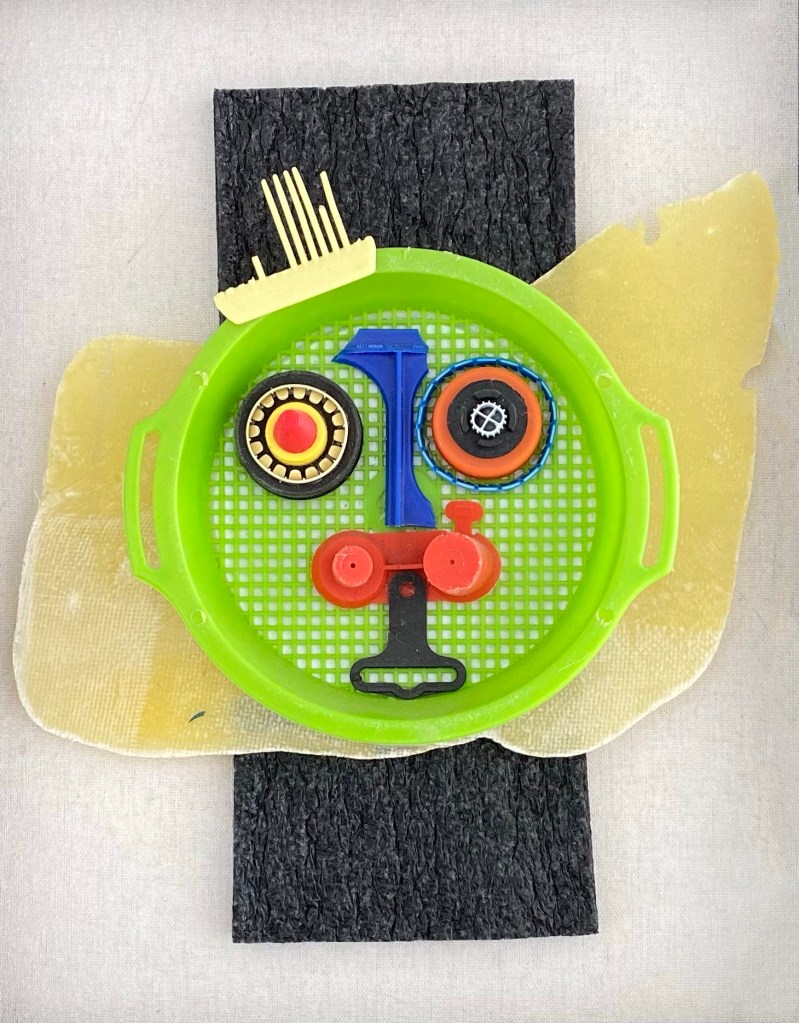
To unmask something is to expose the hidden truth about it, and Unmasked reveals truths about plastic pollution. The marine plastic used to create Unmasked was cleaned up off of North County San Diego beaches, evidence that the problem is pervasive. What can you do to raise awareness and unmask truths about the harmful impacts of unnecessary plastics?
Love Getting Lost With You
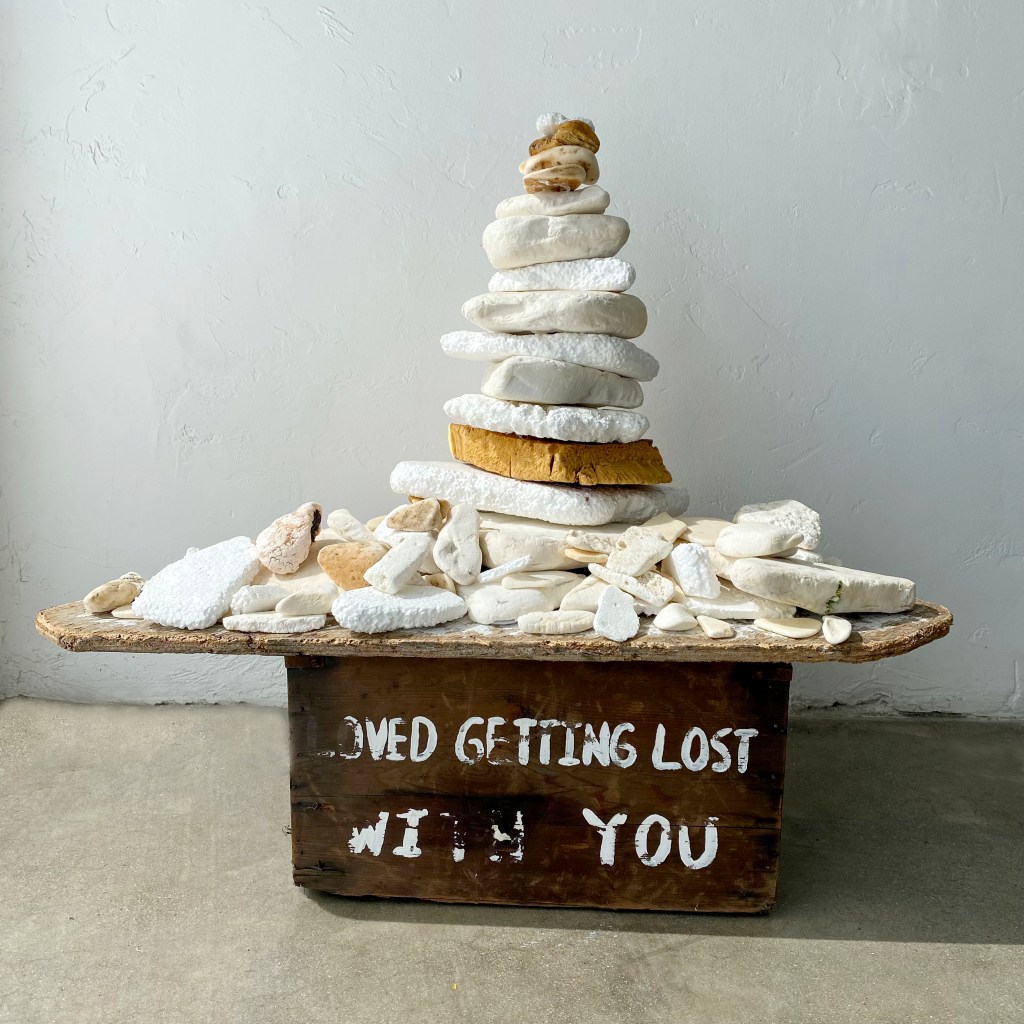
Cairns (stacked stones) are often used to mark wilderness trails as a way to help hikers navigate. Stacking beach stones can be considered a meditative practice, which can also help people stay on the right path. Have we lost our way when the convenience of single-use plastics is valued over protecting the environment? Have we gone astray when we don’t consider the people whose health and well-being are impacted by the pollution that our convenience creates?
Petrol-glyphs
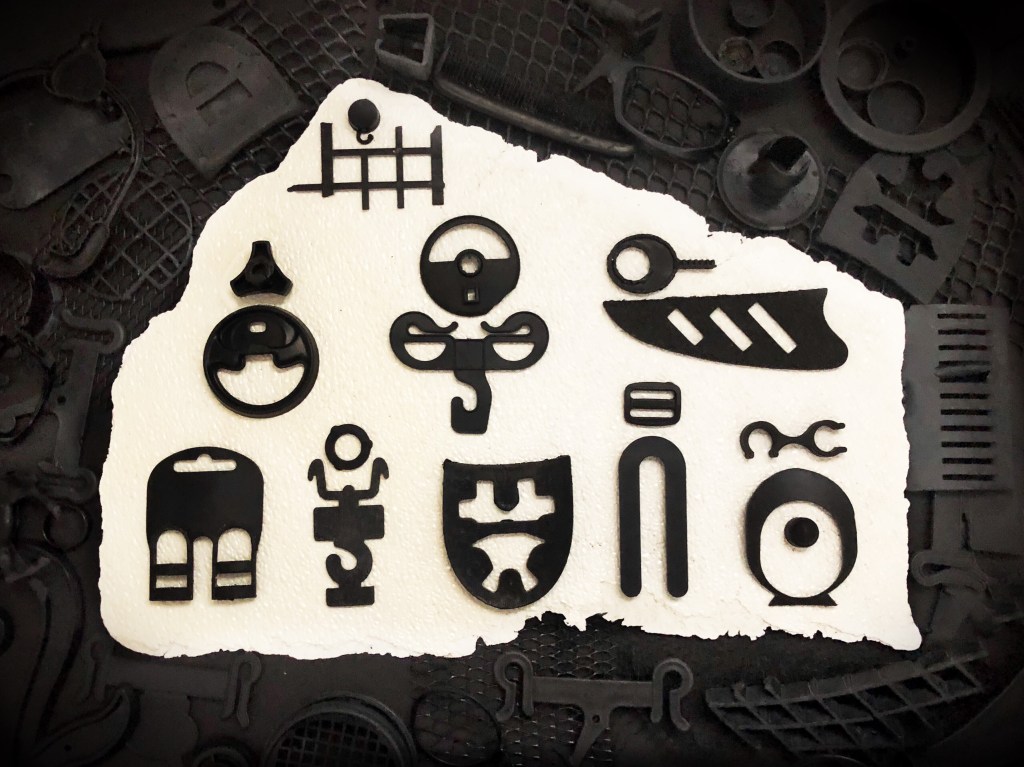
Prehistoric people created petroglyphs by carving or incising into rock. According to scholars, the etchings were created for a variety of reasons, many of which are not well understood today. Even though our understanding is limited, petroglyphs remain “powerful cultural symbols that reflect the complex societies and religions of the surrounding tribes.” These petrol-glyphs were created by arranging petroleum-based marine debris on a background of plastic detritus. How will the scholars of the future interpret the single-use symbols that we will leave behind? What story will our discarded plastics tell about our daily lives and modern culture?
Flotsam Army
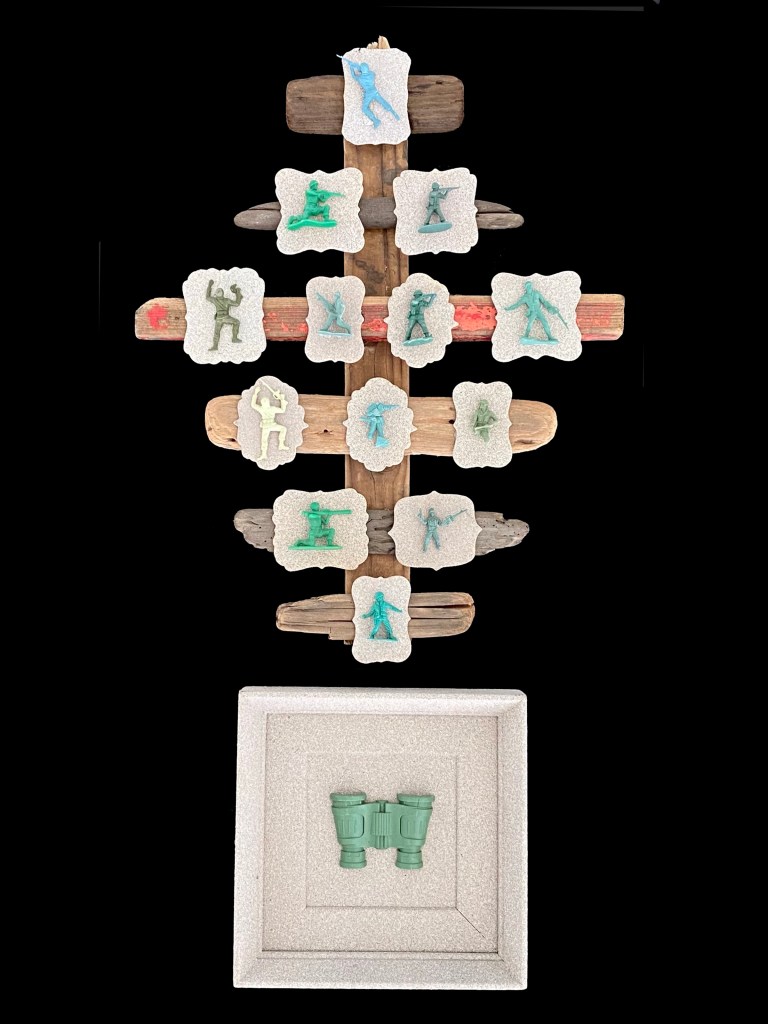
Toy soldiers are prized finds by beach cleaners around the world so much so that there is a popular #flotsamarmy hashtag. Flotsam Army is a reminder that we must fight for the health of the planet. In fact, Veterans for Peace has developed a Climate Crisis steering committee that focuses on the following areas: “The unequal burden of both climate change and militarism on people of color and the poor; The carbon footprint of the US military, which is larger than that of many countries; How wars for oil and other resources support the fossil fuel-based status quo.”
Sad Ball and Angry Bird
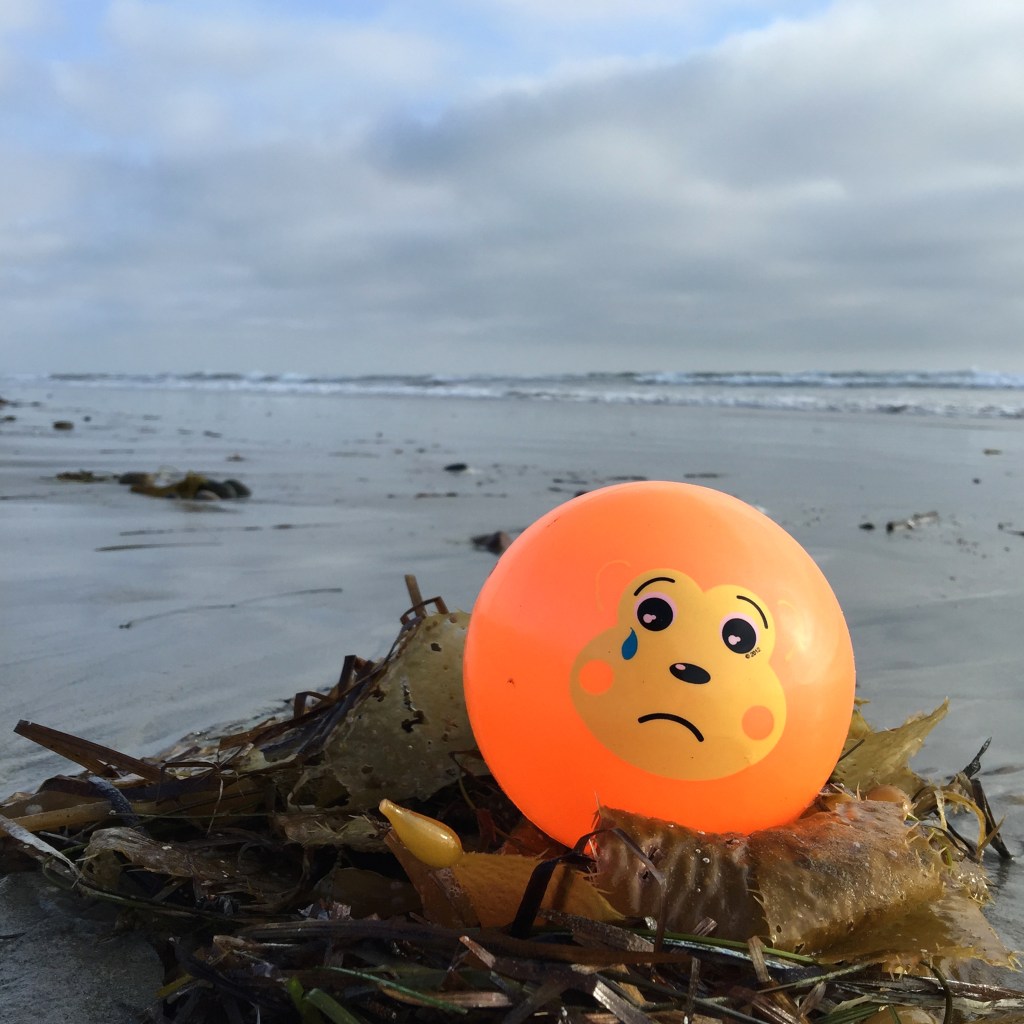

Sad Ball is one of the first photos I ever took of something unnatural that I found on the shoreline. It represents the beginning of my marine debris journey. When I first learned about the plastic pollution problem almost 25 years ago, I wasn’t seeing plastic trash during my beach walks in North County San Diego, but about 10 years ago that changed, and I began finding more and more plastic marine debris on the beach. I started documenting the things I was finding by taking photographs in situ, and I began posting images like these to social media as a way to raise awareness about plastic pollution. Sad Ball and Angry Bird speak to the range of emotions one feels when facing the problem.
First World
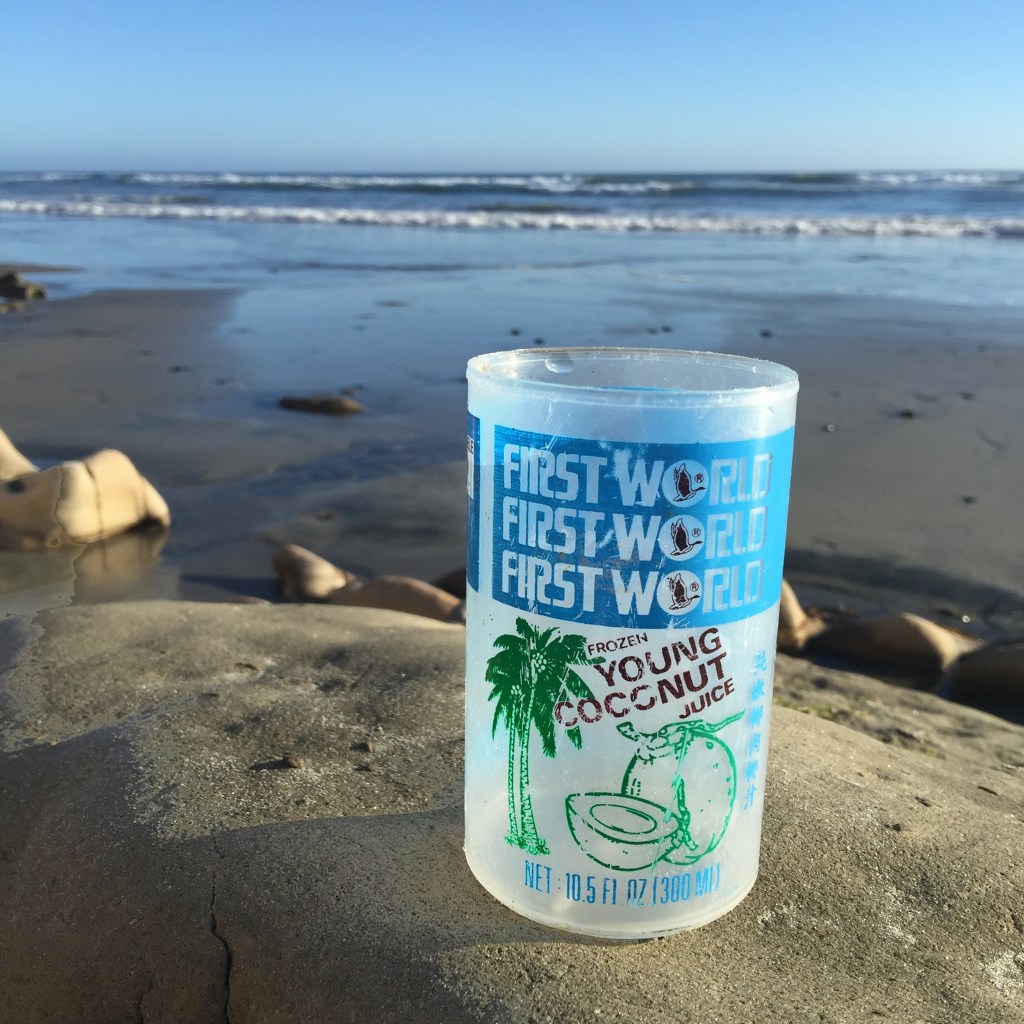
People in the United States often place the blame for plastic pollution on developing countries. However, a study conducted by oceanographer Dr. Kara Lavender Law found that the U.S. generates “the largest amount of plastic trash in the world, disposing of nearly 92.6 billion pounds of plastic in a single year. Researchers determined that the U.S. produced six to eight times more plastic waste per person than its counterparts in China and India, respectively.”
Law explained that “For years, so much of the plastic we have put into the blue bin has been exported for recycling to countries that struggle to manage their own waste, let alone the vast amounts delivered from the United States. And when you consider how much of our plastic waste isn’t actually recyclable because it is low-value, contaminated, or difficult to process, it’s not surprising that a lot of it ends up polluting the environment.”
Deer in the Headlights


Deer will freeze in the road when encountering a car at night because the headlights are blinding. Research has shown that when inundated with frightening news about the environment, people react much like deer caught in the headlights. The overwhelming fear can be emotionally paralyzing and may cause some to experience inertia or apathy, but we must unfreeze ourselves and “turn our fears into motivated action to save our planet.”
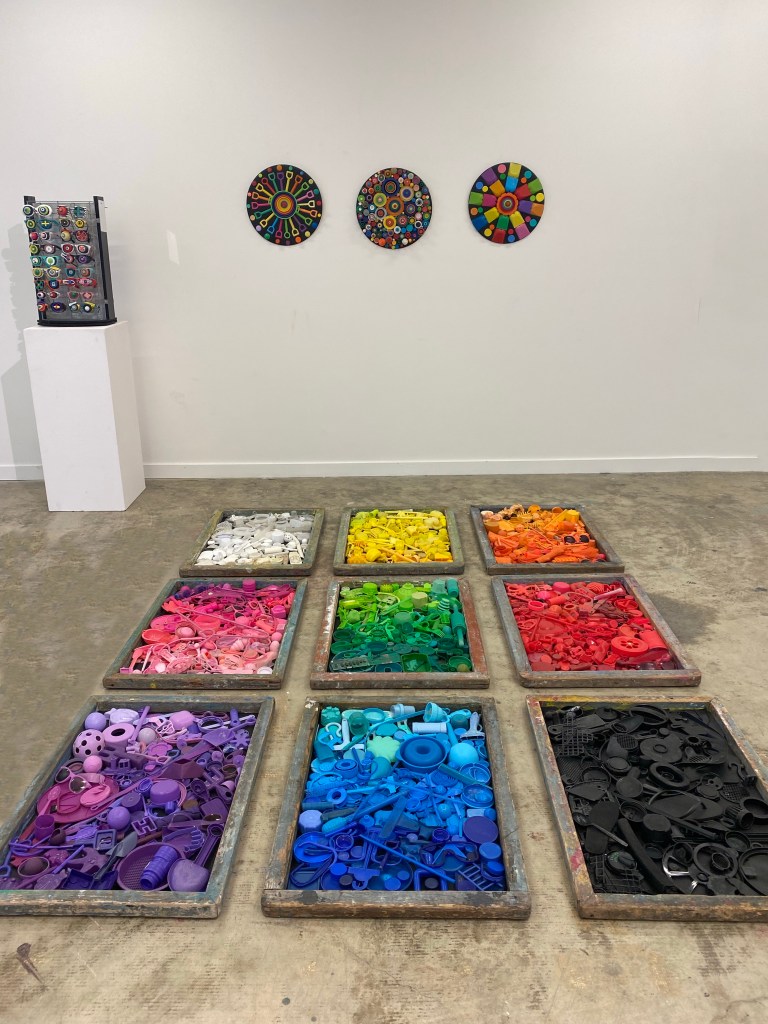
Hill Street Country Club Gallery Installation



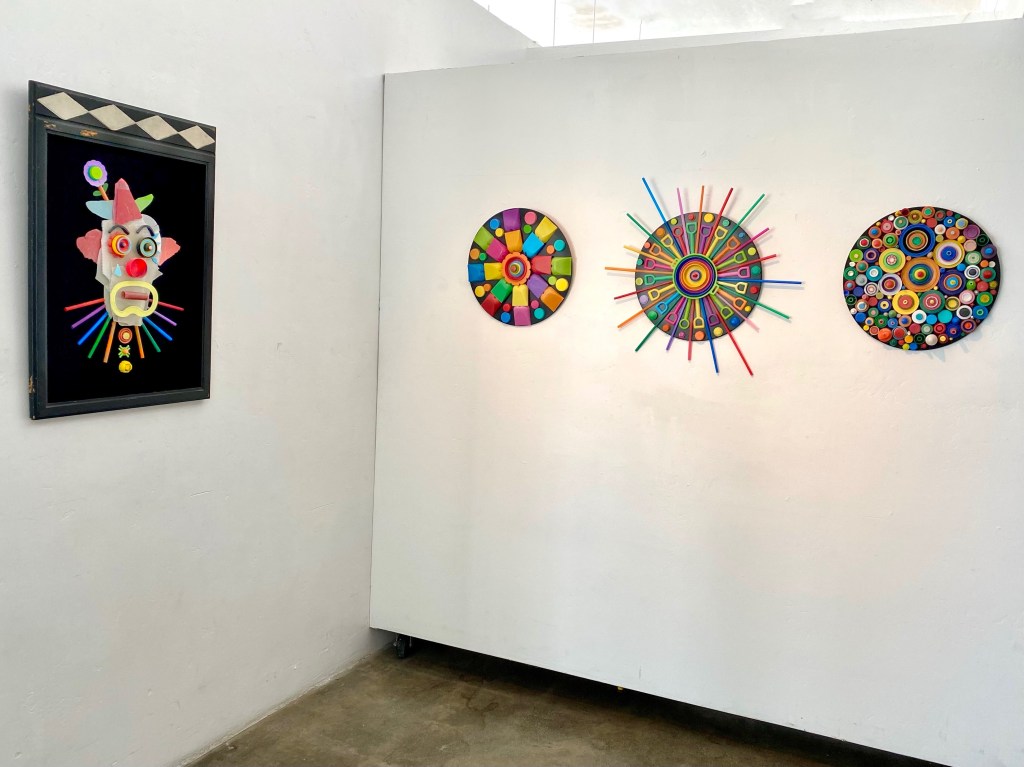
Pop Up Installation at Institute of Contemporary Art in Encinitas
Spiraling Into the Current at Fox Point Farms in Encinitas
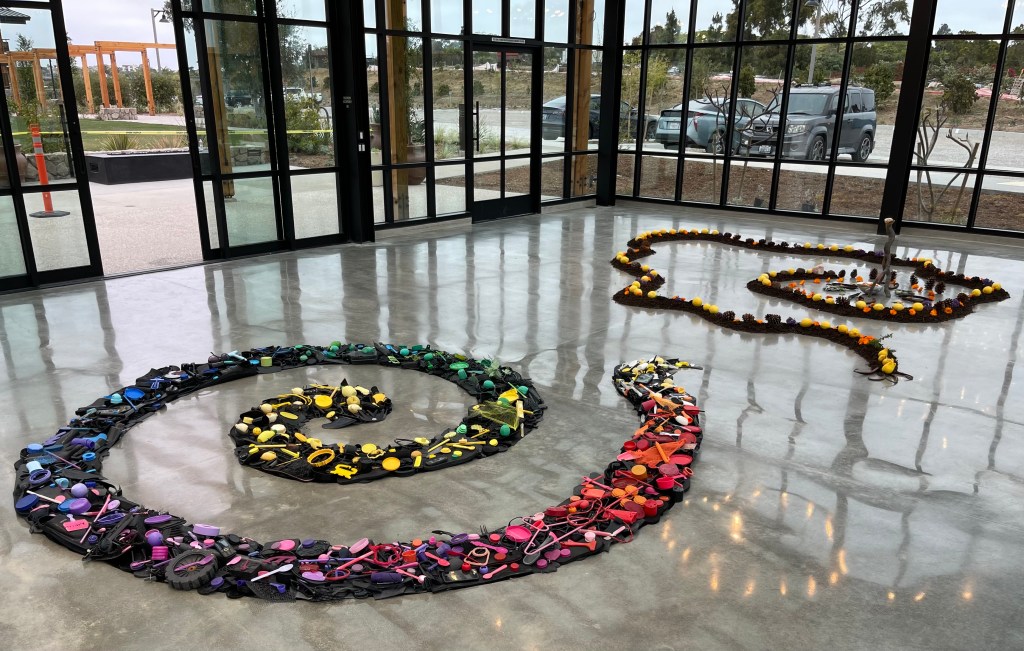
The colorful spiral, made entirely from plastic collected on North County San Diego beaches, symbolizes the swirling ocean currents that carry debris into the North Pacific Garbage Patch. It offers a striking contrast to Lia Strell’s beautiful installation made from foraged natural materials — compost, lemons, pine cones, marigolds, driftwood, and more.
Short Sighted Shades
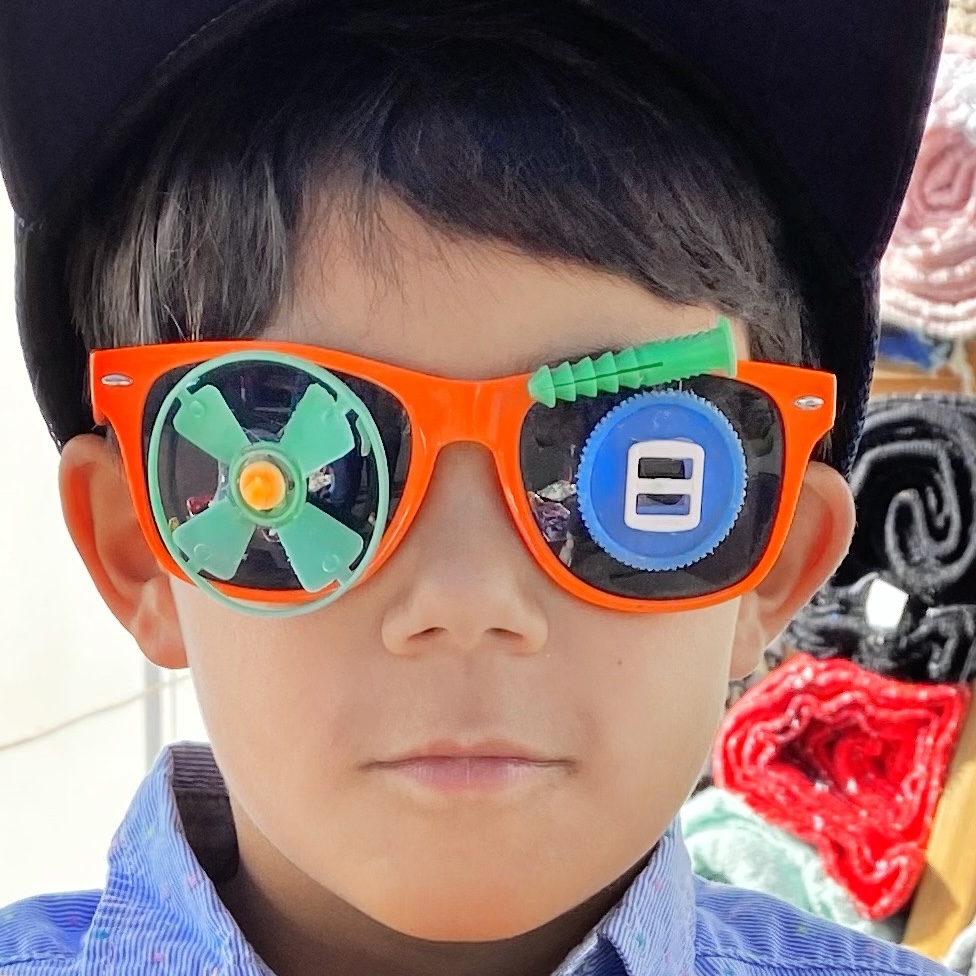
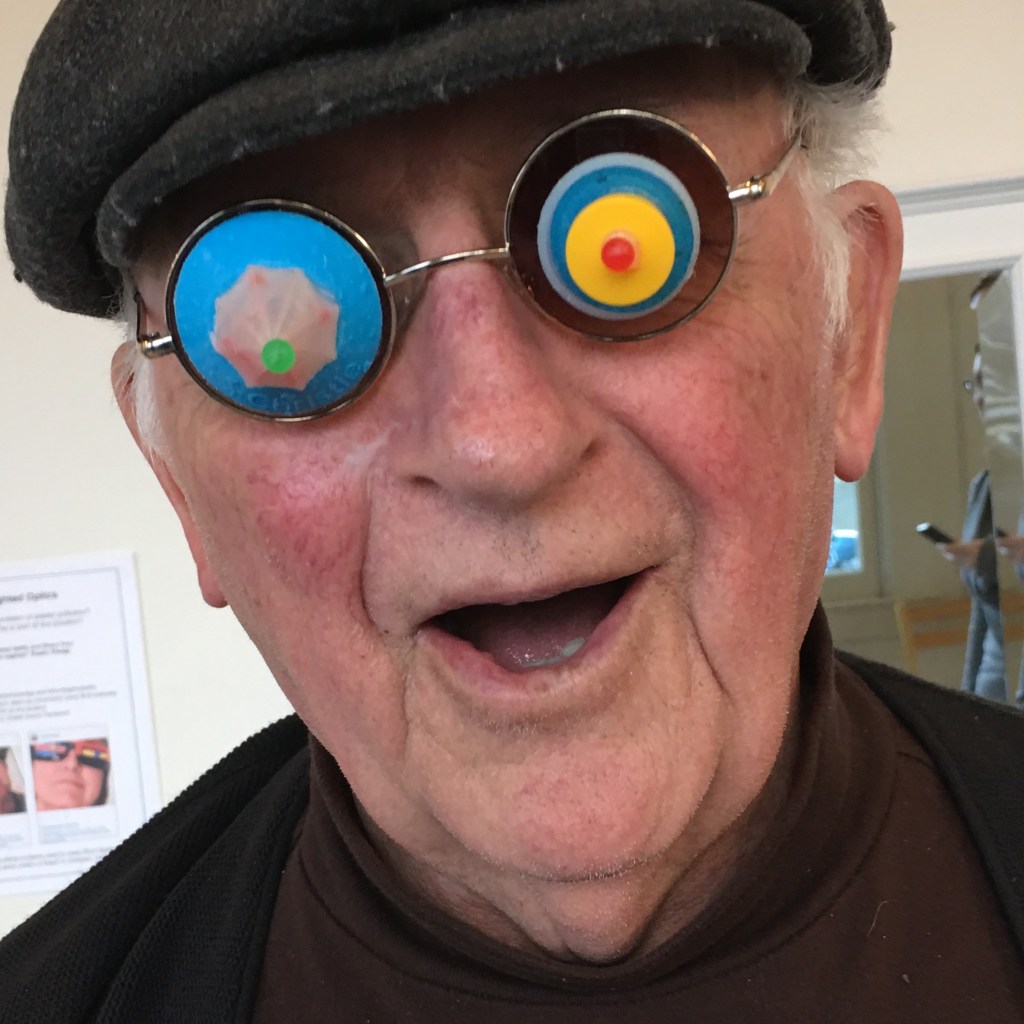
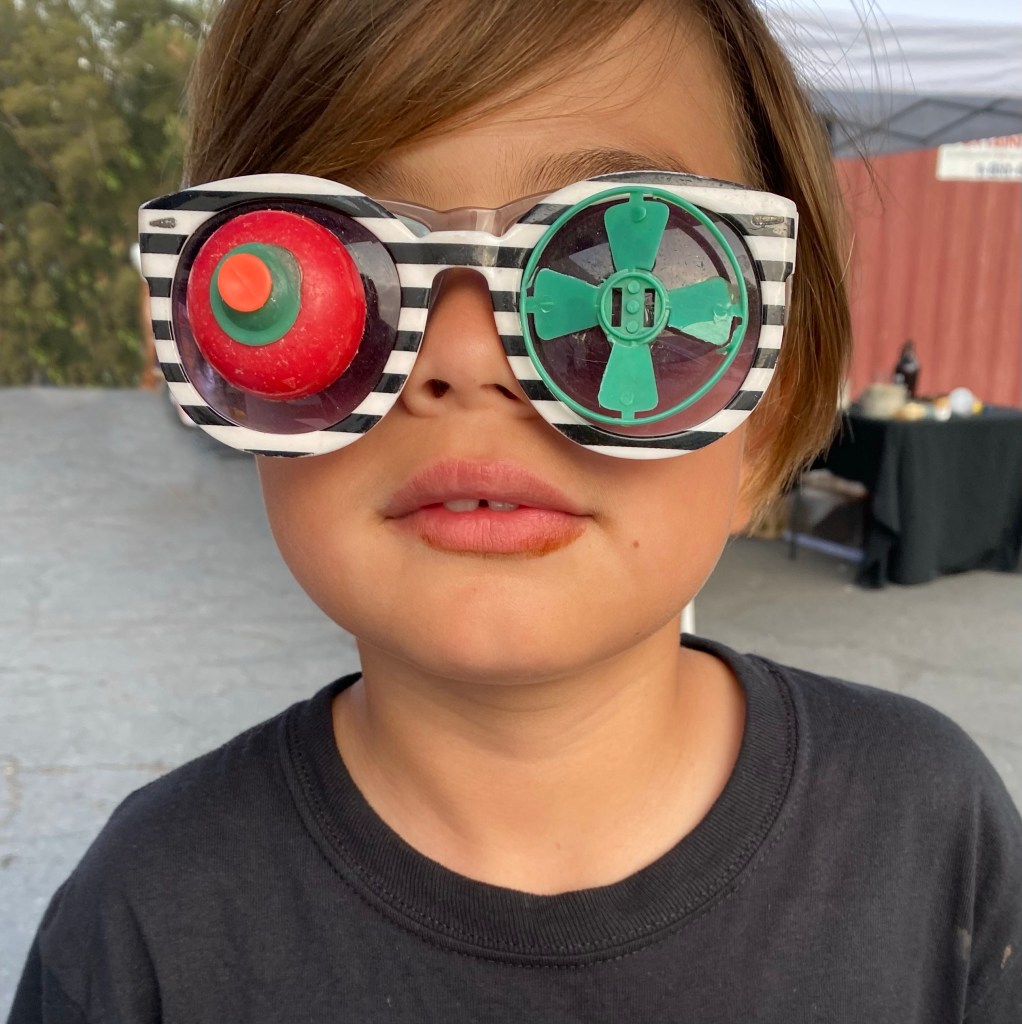
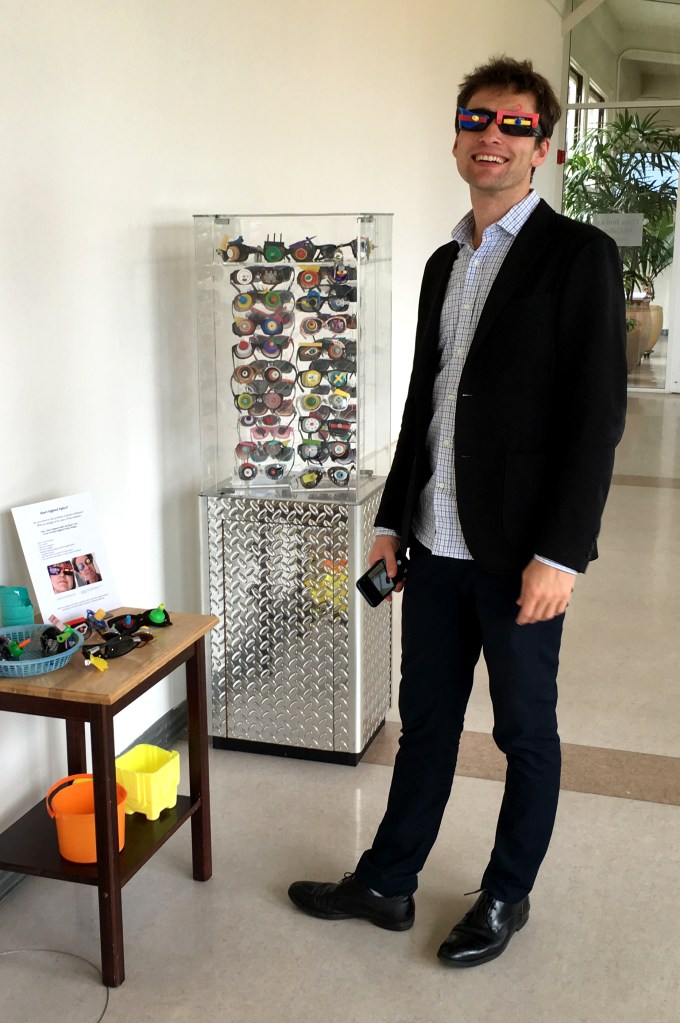
Are you blind to the problem of plastic pollution? Unfortunately, too many people are. Some are unaware of the true impact of plastic pollution because it’s often hidden from everyday view. Once plastic waste is thrown away, it miraculously disappears—ending up in landfills, oceans, or distant communities, but in reality, there is no away. The convenience and ubiquity of plastic make it easy to ignore, and we remain unaware of how it harms wildlife, ecosystems, and even human health. Additionally, misinformation and greenwashing contribute to confusion about what’s truly sustainable. Raising awareness through education and hands-on experiences is key to helping people see the problem and feel empowered to take action.
PPE Project
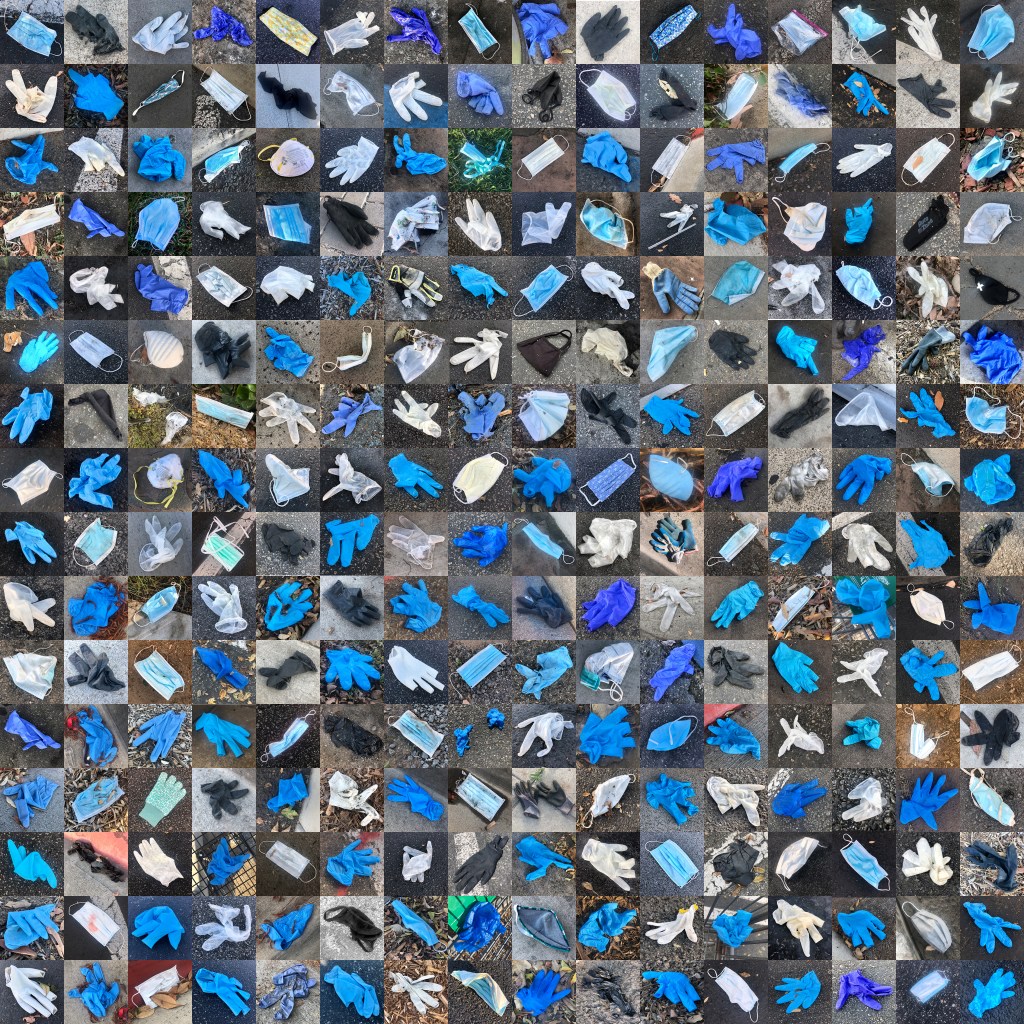
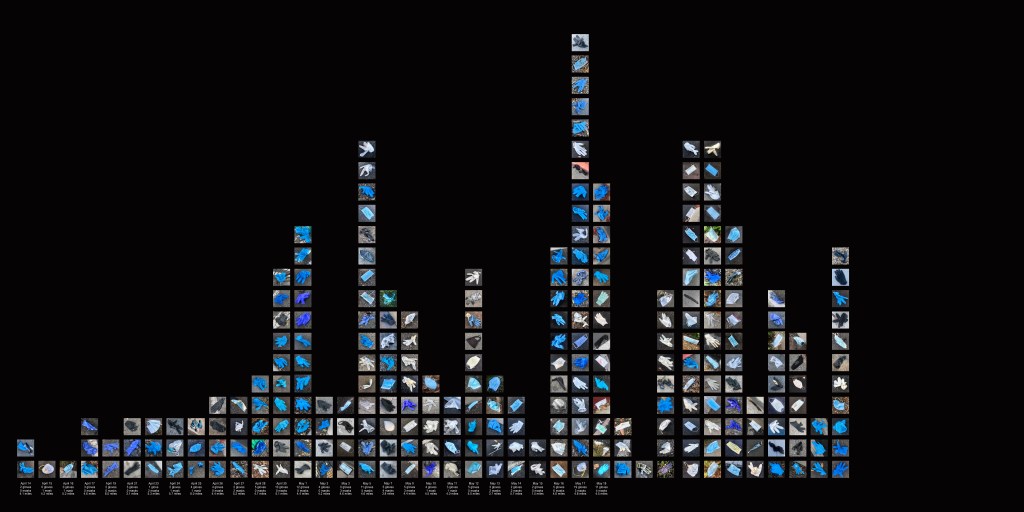
PPE Project: Litter in the Time of Coronavirus


 ShoreSweep